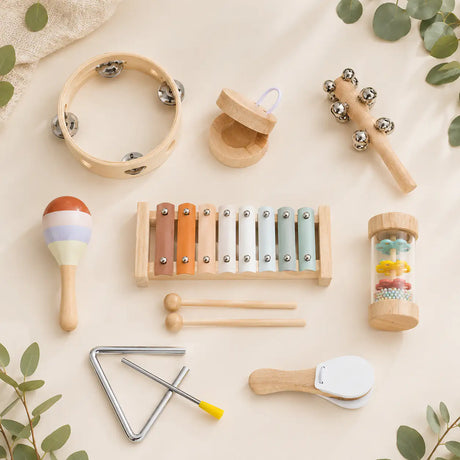
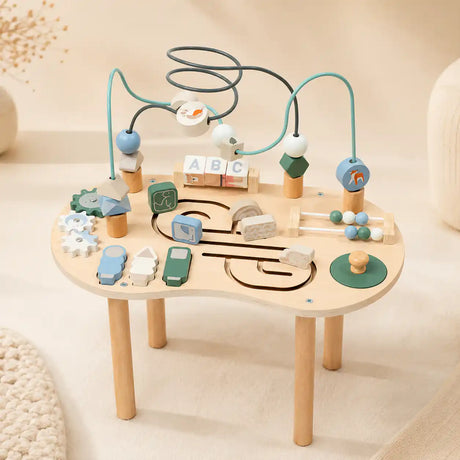
The best gift for a toddler who already has everything usually isn't another toy — it's a better one, an experience, or something the child will still reach for a year from now. When a little one's shelves are already full, the goal shifts from adding more to adding meaning: open-ended toys that grow with them, hands-on experiences they'll remember, and thoughtful, clutter-free gifts that parents quietly appreciate. This guide walks gift buyers through exactly how to choose a present for the toddler who seems to have it all — grounded in what actually supports early development.
If you're shopping for a birthday, a holiday, or "just because," you're in good company. Searches for gift ideas for kids who already have everything climb every year, and the frustration is real: you want to give something special, not something that ends up in a donation bin by spring. The reassuring news is that the research points in a clear, simple direction — and it makes gift-buying easier, not harder.
Why "everything" usually means too much of one thing
Here's a small secret that takes the pressure off: a toddler who "has everything" rarely has too many kinds of play. More often, they have a lot of one kind — a mountain of plastic character toys, a bin of light-up gadgets, a dozen half-finished puzzles. The collection looks overwhelming, but there are usually real gaps once you look at how the child actually plays.
There's also a well-known finding worth keeping in mind. In a 2018 University of Toledo study published in Infant Behavior and Development, toddlers who were given four toys played roughly twice as long and in more creative, focused ways than those given sixteen. Fewer, better toys led to richer play. For a gift buyer, that's genuinely freeing: you don't need to out-dazzle the toy pile. A single well-chosen, open-ended toy can earn more play than the whole overflowing bin.
So when a parent says "they already have everything," read it as an invitation to be more thoughtful, not a reason to give up. The goal is a gift that either fills a real play gap or quietly raises the quality of what's already there.
The one question to ask before you buy
Before you shop, ask the parent — or ask yourself — one thing: "What does this child do for a long stretch, completely absorbed?" The answer tells you which type of play to lean into, and which to avoid piling onto.
If a toddler disappears into stacking and knocking down, they're working on cause-and-effect and spatial reasoning, and an open-ended building or balancing set will land well. If they line things up and sort by color, a sorting or threading toy meets them exactly where they are. If they narrate little stories to their stuffed animals, pretend-play props will feel like magic. Matching the gift to the child's current fascination — what Montessori educators call following the child — is the single best predictor that a present will actually get used.
The American Academy of Pediatrics makes a related point in its guidance on choosing toys: the most valuable toys are usually the simple, open-ended ones that invite a child to imagine and build, not the electronic or costly ones. In other words, the gift that stands out in an "everything" collection is often the quietest one on the shelf.
Gifts that replace clutter instead of adding to it

The most welcome gift for a full playroom is one that earns its footprint — a toy so open-ended it can quietly replace several single-use ones. These are the pieces a child returns to at 18 months and again at three, playing differently each time.
Strong "anti-clutter" gift categories include:
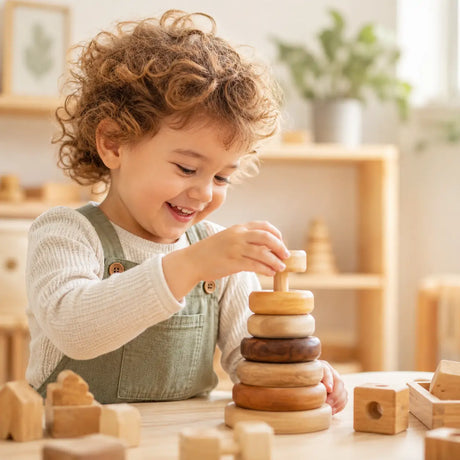
- Open-ended building and balancing sets — wooden blocks, stacking rings, and balancing stackers become towers, roads, animals, and imaginary worlds. One set, endless configurations.
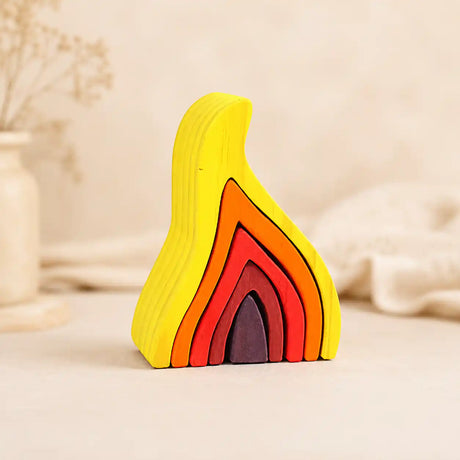
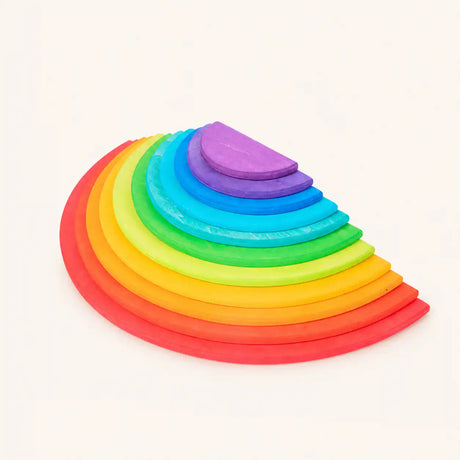
- A wooden rainbow or arch set — nesting arches become tunnels, bridges, fences, and cradles; a classic example of a toy that grows with imagination rather than aging out.
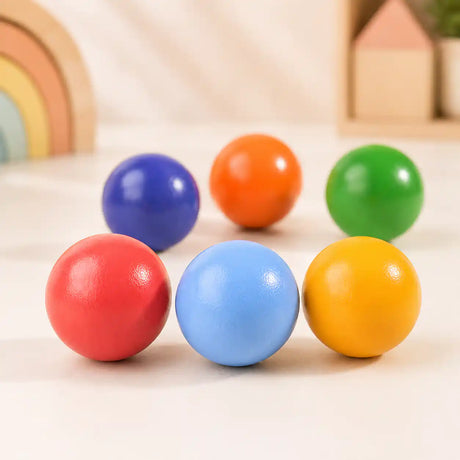
- Loose parts for sorting and counting — simple wooden beads, coins, or shapes support early math, fine motor skills, and hours of quiet, focused sorting.
Because these toys do so much, they pair beautifully with a habit many families already use: toy rotation, where only a few things are out at once so each gets real attention. A gift that fits neatly into that rhythm — self-contained, screen-free, and genuinely open-ended — is one a parent will thank you for twice.
Experience gifts a toddler will actually remember
When the shelves are full, the most memorable gift often isn't an object at all. Experience gifts sidestep the clutter problem entirely, and for young children the "experience" can be wonderfully small and simple.
Ideas that suit toddlers and preschoolers:
- A membership or pass to a children's museum, zoo, aquarium, or botanical garden — repeat visits that turn into a shared family ritual.
- A "date" with the giver — a standing monthly outing to the library, the park, or a bakery. Grandparents especially can make this the gift that keeps giving.
- A small living thing to tend — a fast-growing plant like a sunflower or basil that a toddler can water and watch, building patience and wonder.
- A class or activity — a parent-and-child music, swim, or movement class the child can look forward to each week.
There's good reason these land so well. The AAP's The Power of Play report emphasizes that warm, shared, hands-on experiences are what most powerfully support a young child's language, focus, and social-emotional growth — far more than any single object. An experience gift is really a gift of time and attention, wrapped in an occasion.
"Grows-with-them" gifts that earn their shelf space
If you'd rather give a physical gift, choose one with a long runway — a toy the child can grow into, not just play with once. This is the gentlest way to stand out in a collection that already covers the "right now."
Look for toys that offer a beginner version and an advanced version of the same play:
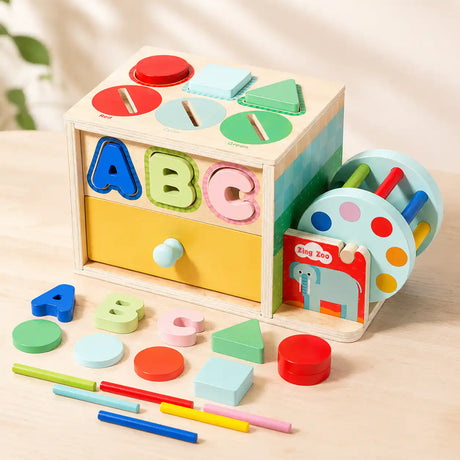
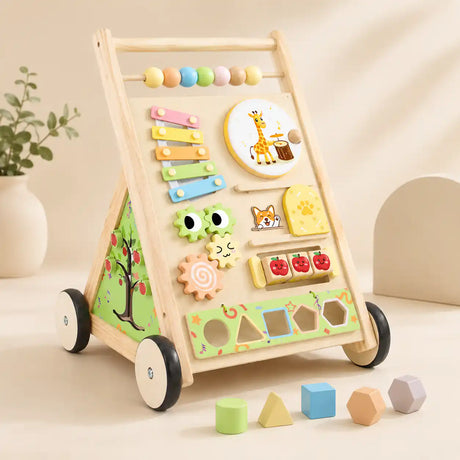
- A shape sorter a one-year-old uses for posting, and a three-year-old uses for color and shape naming.
- A balancing or stacking set that starts as simple stacking and later becomes a real challenge of steadiness and planning.
- A play kitchen or pretend-food set that begins as simple "cooking" and evolves into elaborate storytelling and social play.
Buying slightly ahead of a child's current stage is a smart move for a toddler who has everything for today — you're filling the gap that's coming. If you like this approach, our guide on choosing a gift for the stage that's coming walks through how to pick the right "next step" without guessing.
Consumable and practical-life gifts parents love

Some of the most appreciated gifts for a well-stocked household are the ones that get used up — no permanent shelf space required. Toddlers are also drawn to real, purposeful activity, so "practical life" gifts hit a developmental sweet spot.
- Art and craft consumables — chunky crayons, washable paints, play dough, and big rolls of paper. Messy, joyful, and gone by summer.
- Practical-life tools — a child-sized watering can, a little broom, a step stool, or a real (blunt) helper set for the kitchen. Toddlers adore doing "real work."
- Books, always — a beautiful picture book or a personalized story rarely feels like clutter and grows a lifelong habit.
- A subscription of stories or activities — a monthly book or activity box spreads the delight across the whole year.
Practical-life gifts double as connection: they invite the toddler to work alongside a grown-up, which is exactly the warm, language-rich interaction early-childhood research keeps pointing to as the real engine of development.
Gift ideas by budget
You don't need to spend a lot to give something that stands out. Here's a simple way to think about it by price.
| Budget | Great picks for the toddler who has everything |
|---|---|
| Under $25 | A single open-ended wooden toy, a stacking or sorting set, art consumables, or a special picture book. Small, clutter-free, and high-play-value. |
| $25–$50 | A grows-with-them toy like a balancing set or shape sorter, a pretend-play starter set, or a museum day pass. |
| Splurge | An annual membership, a big open-ended set (blocks or a wooden rainbow), or a keepsake-quality toy that can be handed down. |
If you want a shortcut to thoughtful, low-clutter presents, our Gifts Under $25 collection is an easy place to find a single beautiful piece that punches above its price. Remember the research: one well-chosen toy often out-plays a whole pile.
Frequently asked questions
What do you get a toddler who has everything?
Focus on quality and experiences rather than quantity: one open-ended toy that grows with them, a museum or class membership, art consumables, books, or a practical-life tool. The aim is to fill a real play gap or raise the quality of what they already own — not to add more of the same.
Are experience gifts really better than toys for toddlers?
They can be excellent, especially for a child with a full playroom. Experiences create shared, hands-on time, which early-childhood research links closely to language and social-emotional growth. That said, a single well-chosen open-ended toy is also a wonderful gift — both beat "more of the same."
How do I choose a gift without knowing what they already own?
Ask the parent one question: what does the child do for a long time, completely absorbed? Then choose a gift that matches that fascination, or pick a safe, near-universal option like a beautiful book, art supplies, or an experience — things that rarely duplicate or clutter.
Is it okay to give a gift for an older age than the child is now?
Yes — buying slightly ahead is a smart strategy for a toddler who has plenty for today. Just check the age grading and keep small parts out of reach until the child is ready. Always follow the manufacturer's age recommendation and supervise play.
What should I avoid gifting?
For an already-full playroom, it's usually best to skip more single-use, battery-powered novelty toys, and anything that duplicates what the child clearly has a lot of. When in doubt about small parts or safety, review the product details and choose age-appropriate options.
Choosing for a toddler who already has everything isn't about finding the flashiest thing on the shelf — it's about giving something with room to grow, a memory to make, or a quiet bit of everyday magic. Give less, but give well. That's the whole idea behind smart play for little growing minds.
References
- Dauch, C., et al. "The influence of the number of toys in the environment on toddlers' play." Infant Behavior and Development (2018)
- "Fewer toys lead to richer play experiences, UT researchers find" — University of Toledo News (2017)
- Yogman, M., et al. "The Power of Play: A Pediatric Role in Enhancing Development in Young Children." Pediatrics — American Academy of Pediatrics (2018)
- Healey, A., Mendelsohn, A. "Selecting Appropriate Toys for Young Children in the Digital Era." Pediatrics — American Academy of Pediatrics (2019)