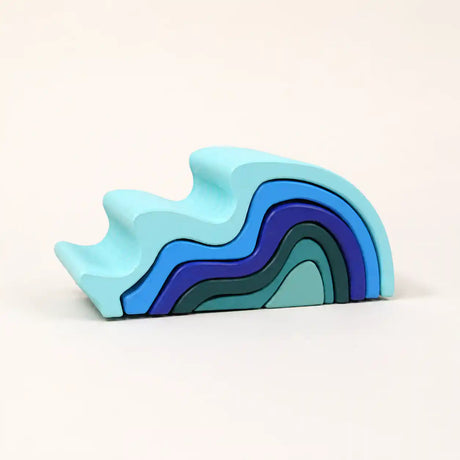
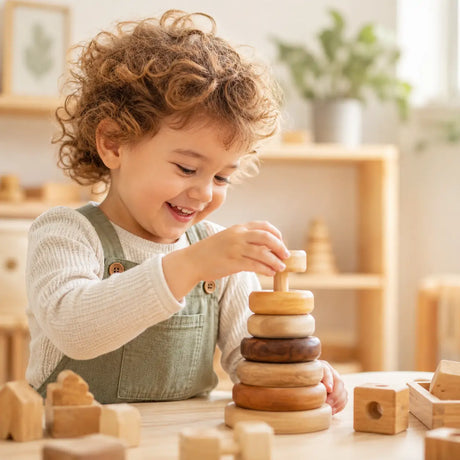
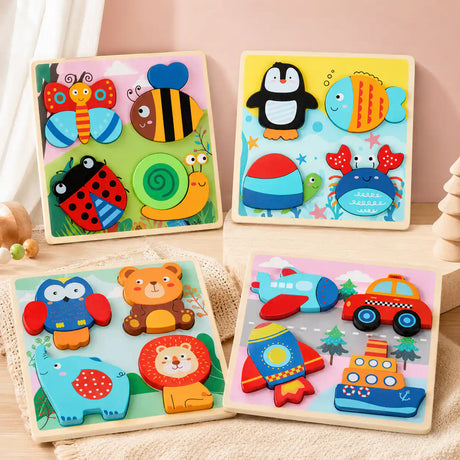
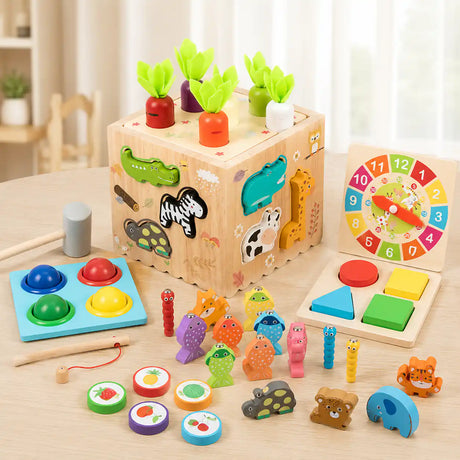
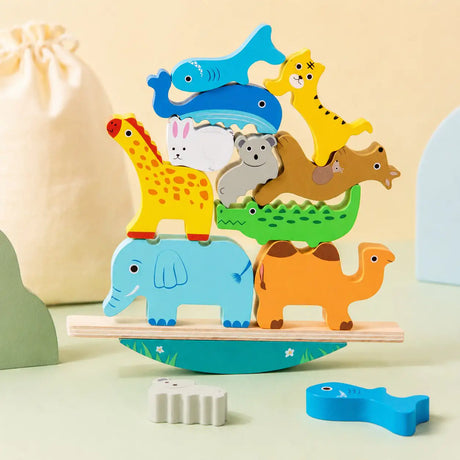
Wooden animal toys that bring friendly characters into hands-on toddler play. From bunnies and lions to dinosaurs and whales, every animal here is a thoughtful companion for sorting, stacking, balancing, and pretend adventures.
 2-3 year32% off
-
1 year29% off
-
1 year31% off
-
1 year30% off
-
1 year30% off
-
3-4+ year30% off
-
2-3 year29% off
-
1-2 year29% off
-
1-2 year31% off
-
1-2 year30% off
-
3-4+ year29% off
-
1 year30% off
-
3-4+ year27% off
-
1 year31% off
-
2-3 year31% off
-
2-3 year31% off
-
1 year30% off

















Why Children Gravitate to Animals
Animals are among the first things toddlers name, and they carry emotional weight that abstract shapes don't. A child will happily sort colored discs for a while, but sorting animals into their homes comes with a story attached — and the story keeps them there longer.
- Early vocabulary — animal names and sounds are usually among a toddler's first words
- Empathy and care — feeding, moving, and looking after a figure rehearses real caregiving
- Categorizing — farm, forest, ocean, and jungle give natural sorting groups
- Storytelling — characters invite narrative in a way that geometric pieces rarely do
What's in This Collection
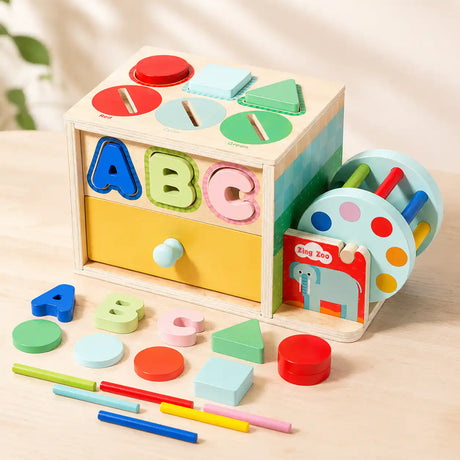
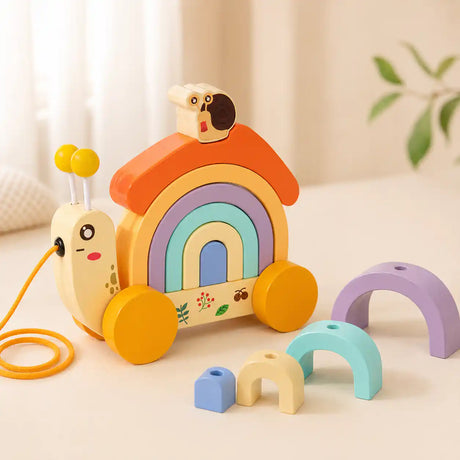
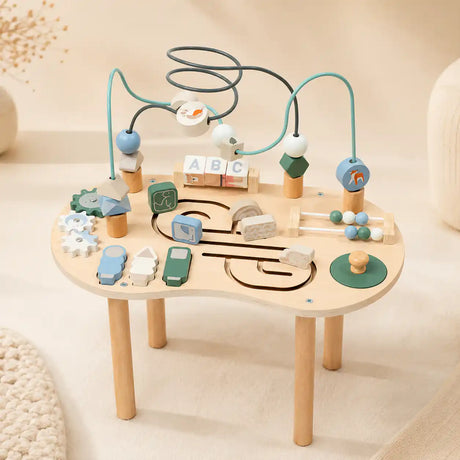
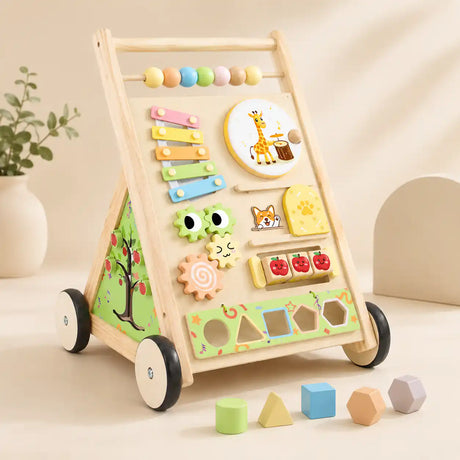
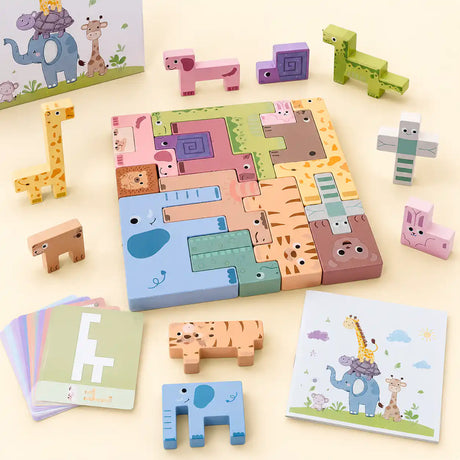
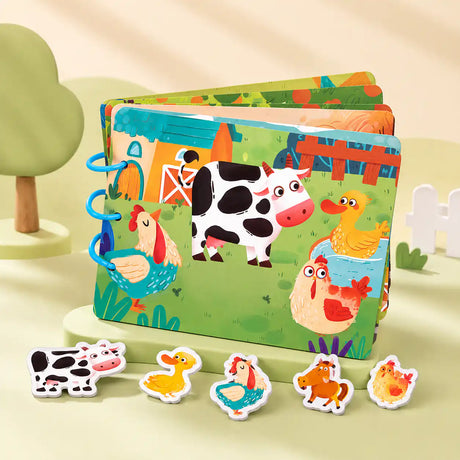
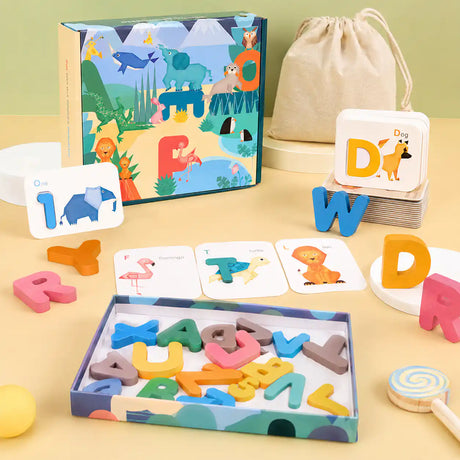
Animal balancing sets, sorting drums, puzzles, magnetic fishing games, and pretend play companions — Montessori animal toys that put a character at the center of a developmental activity rather than treating the two as separate.
Animal Toy Questions
What age are animal toys best for?
Chunky wooden animal figures work from around eighteen months, once a child is naming things and beginning simple pretend play. More detailed sets with smaller pieces are generally graded 3+. Each product page lists its own age guidance.
Do animal toys help language development?
They tend to, yes. Naming, sound-making, and describing what an animal is doing all generate more talk than most toys prompt. Adults also naturally narrate around animal play, and that back-and-forth is the part that builds vocabulary.
Are realistic or simplified animals better?
Both have a place. Simplified wooden figures leave more room for imagination and tend to suit younger children. More realistic figures support learning actual animal features and habitats, which becomes interesting closer to four. Neither is more correct.
How do animal toys support pretend play?
They give a child ready-made characters with implied relationships — big and small, predator and prey, family groups. That structure gives a story somewhere to start, which is often the hardest part for a two- or three-year-old.
Do these make good gifts?
Animal toys are one of the safer gift choices when you don't know a child well, because the appeal is close to universal at toddler age and they slot into play a family already has.
Adult supervision is recommended. Age guidance and full details are on each product page.
Read more about Animal Toys Show less
You May Also Like
View all-
1 year30% off
-
1 year31% off
-
1 year29% off
-
1 year31% off
-
1 year30% off
-
2-3 year31% off
-
1 year30% off
-
3-4+ year31% off
-
2-3 year31% off
-
1-2 year30% off