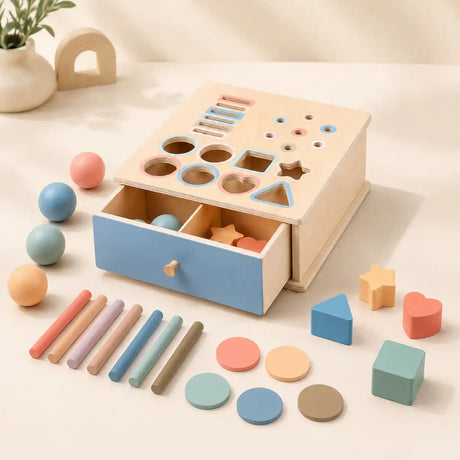
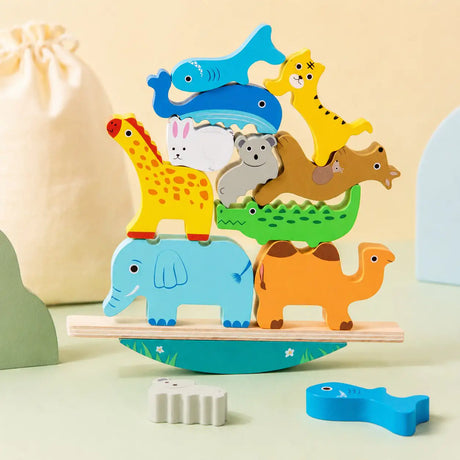
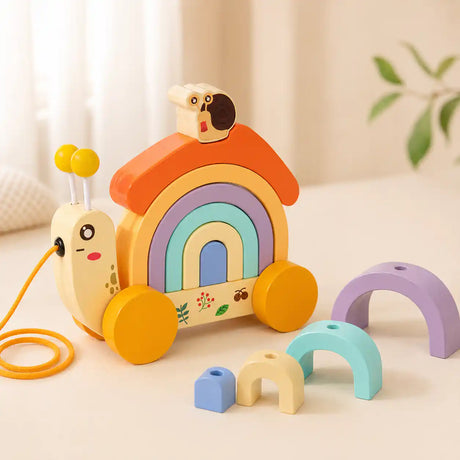
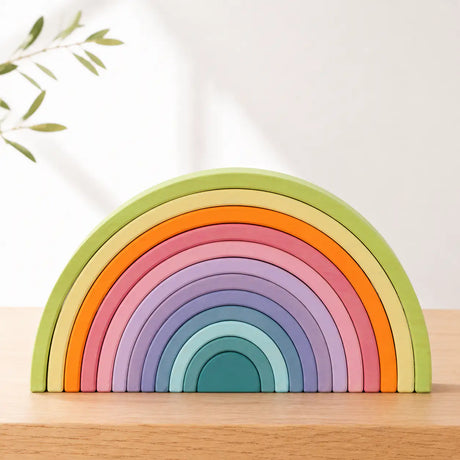
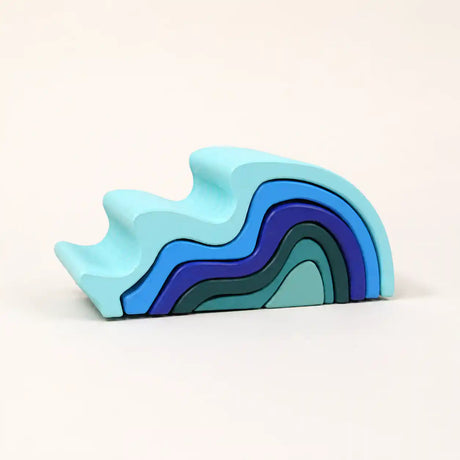
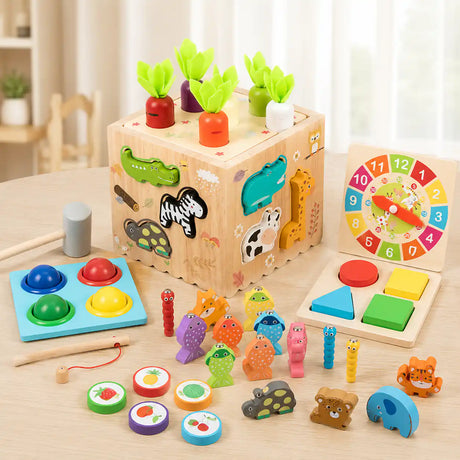
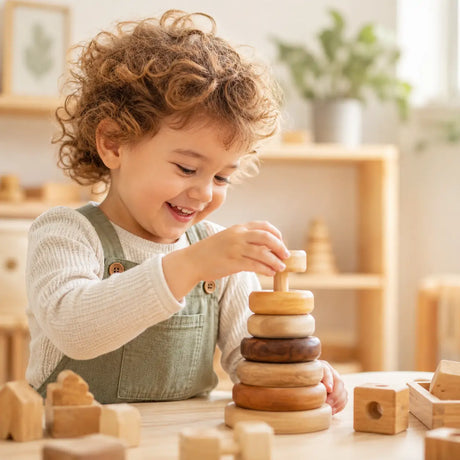
Music and sensory toys that turn sound, touch, and motion into hands-on discovery. From wooden marble run music trees to gentle instrument sets, every piece invites toddlers to listen, explore, and play.
 2-3 year31% off
-
1 year30% off
-
3-4+ year31% off
-
1 year29% off
-
3-4+ year30% off
-
1 year30% off
-
2-3 year29% off
-
2-3 year30% off
-
1 year30% off
-
1-2 year30% off
-
1-2 year31% off
-
2-3 year30% off

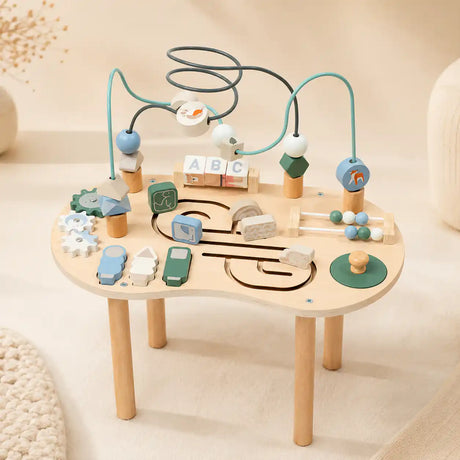

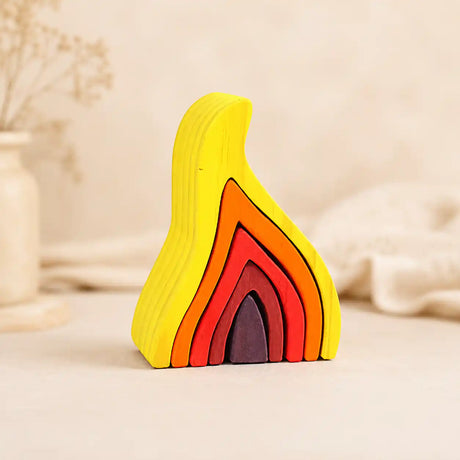

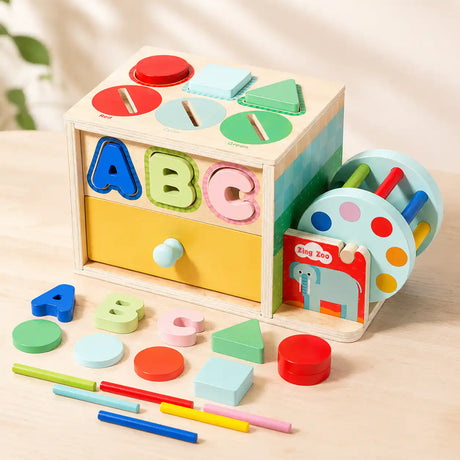

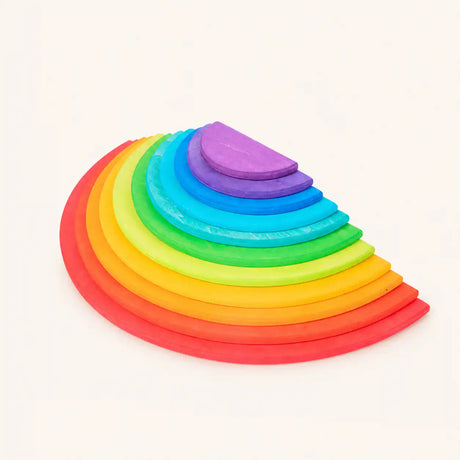






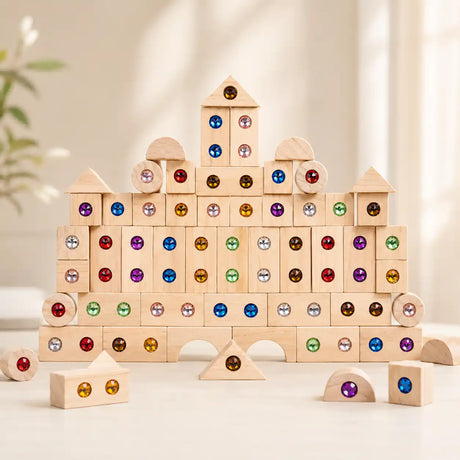


Why Sound and Texture Matter
Young children take in the world through their senses before they can reason about it. A toy that makes a sound when struck, or feels different in each hand, gives a child information they can act on — and acting on it is how understanding gets built.
- Auditory discrimination — noticing that pitches and timbres differ, which underpins later language sounds
- Rhythm and timing — steady beat is linked to early reading and motor coordination
- Tactile exploration — texture, weight, and temperature as real information
- Self-regulation — repetitive sensory play helps many children settle
What's in This Collection
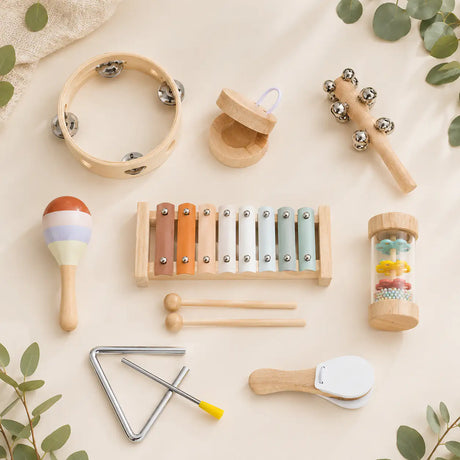
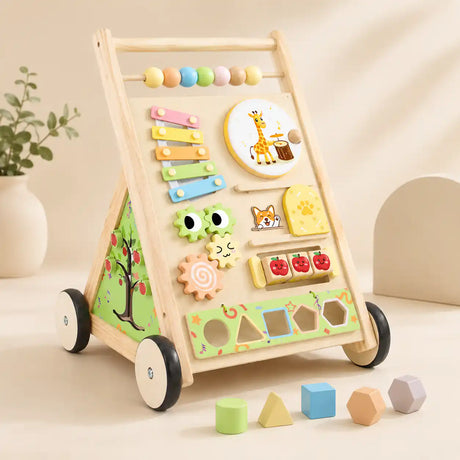
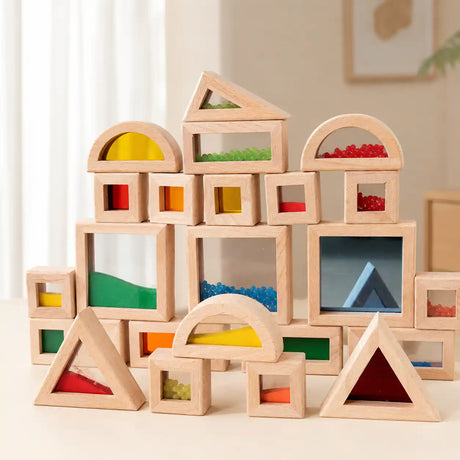
Marble run music trees, percussion and instrument sets, sensory blocks, and textured play pieces — Montessori music and sensory toys that produce real acoustic sound rather than recorded samples.
Music & Sensory Questions
What are the best sensory toys for babies and toddlers?
Look for toys that offer clear, manageable input — real acoustic sound, varied textures, and pieces with satisfying weight. In this collection, sensory blocks, marble runs, and percussion sets all support sensory development through hands-on, self-directed play.
At what age can a child start with musical instruments?
Simple percussion — shakers, drums, blocks — works from around a year, once a child can strike or shake deliberately. Instruments needing more control, like xylophones with mallets, tend to suit two and up. Ours are graded individually on each product page.
Does music help child development?
The evidence is strongest for rhythm and language. Keeping a steady beat correlates with phonological awareness, which is a building block of reading. Music also supports memory, motor coordination, and turn-taking. It's worth noting what it doesn't do — the claim that music makes children measurably smarter has not held up well.
What are sensory toys for?
They give deliberate, manageable sensory input — texture, sound, weight, or visual interest. Many children find that input calming and organizing, which is why sensory play is often recommended for winding down as well as for exploration.
Are these suitable for children with sensory processing differences?
Many families use toys like these as part of a sensory diet, and natural wood tends to be well tolerated because the input is predictable and not overwhelming. Needs vary enormously between children, so it's worth discussing specific choices with your child's occupational therapist.
Are wooden instruments better than plastic ones?
For sound, generally yes — wood produces a warmer, more complex tone, and children respond to that difference. Wooden instruments also tend to be quieter than electronic alternatives, which most parents count as a feature.
Adult supervision is recommended. Age guidance and full details are on each product page.
Read more about Music & Sensory Toys Show less
You May Also Like
View all-
1 year30% off
-
1 year31% off
-
1 year29% off
-
1 year31% off
-
1 year30% off
-
2-3 year31% off
-
1 year30% off
-
3-4+ year31% off
-
2-3 year31% off
-
1-2 year30% off