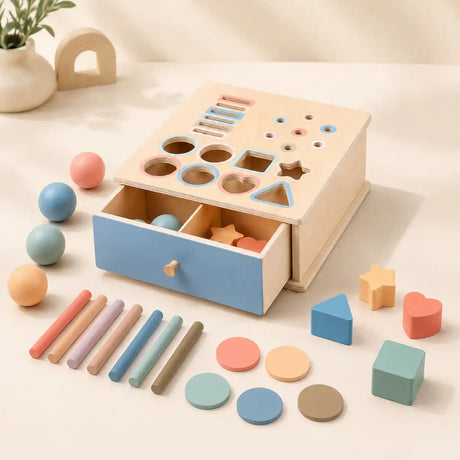
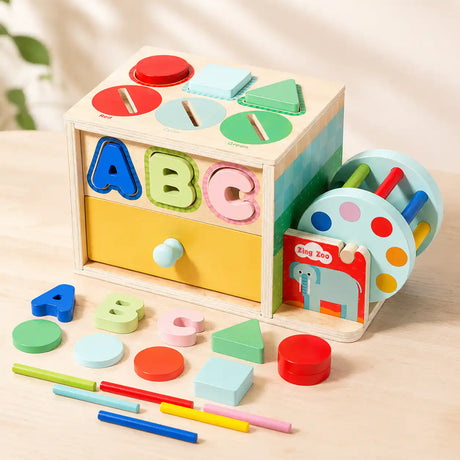
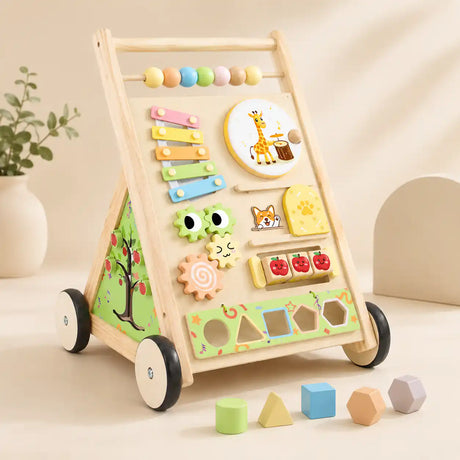
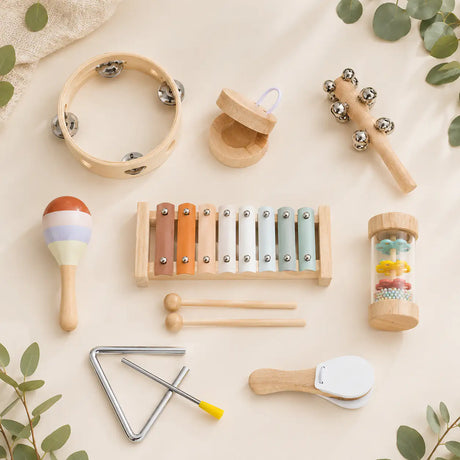
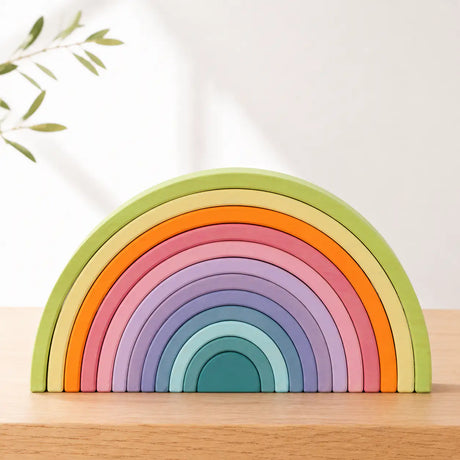
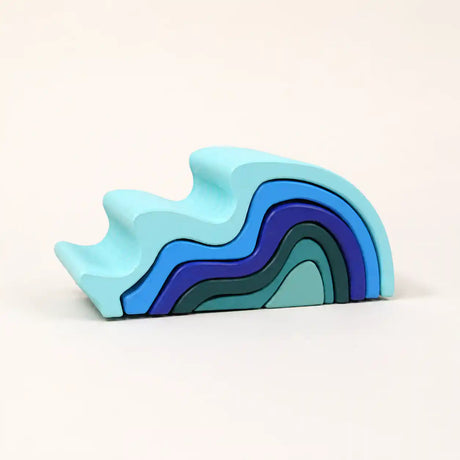
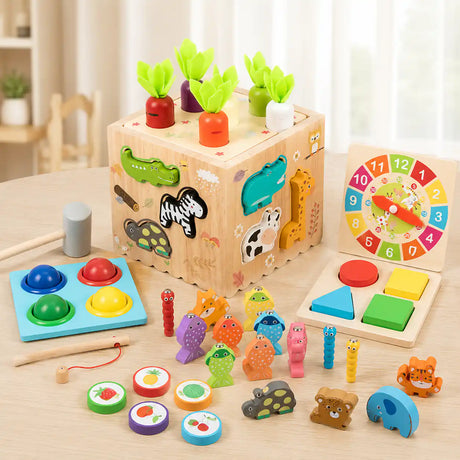
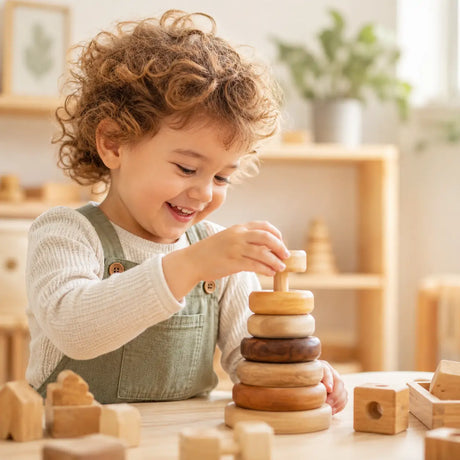
Balancing toys that turn quiet concentration into hands-on discovery. Each piece invites little ones to place carefully, watch the wobble, and try again — supporting focus, patience, and early physics thinking.
 1 year29% off
-
3-4+ year31% off
-
3-4+ year30% off
-
1 year31% off
-
2-3 yearSold out
-
3-4+ year30% off
-
1-2 year30% off
-
2-3 year32% off
-
1 year31% off
-
2-3 year31% off








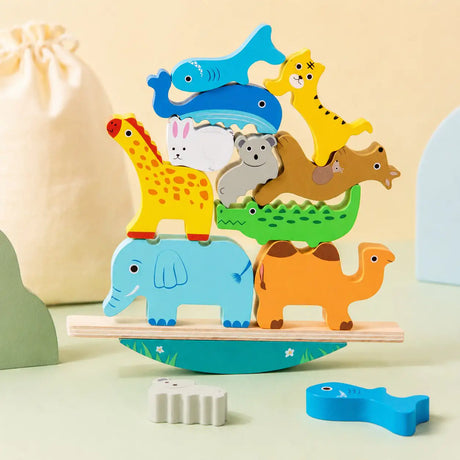


What Balancing Play Builds
A balancing toy asks something no stacking toy does: not just can you place this, but can you place it gently enough. That demand for controlled, deliberate movement is unusual in toddler toys and genuinely difficult at first.
- Controlled movement — learning to slow the hand rather than drop the piece
- Concentration — balancing rewards sustained attention in a way few activities do
- Frustration tolerance — the tower will fall, repeatedly, and that's the lesson
- Intuitive physics — weight, distribution, and center of gravity discovered by hand
What's in This Collection
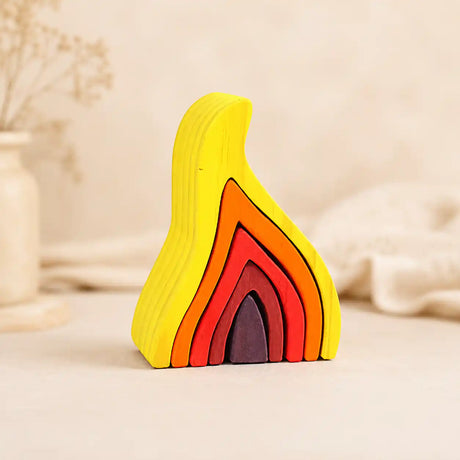
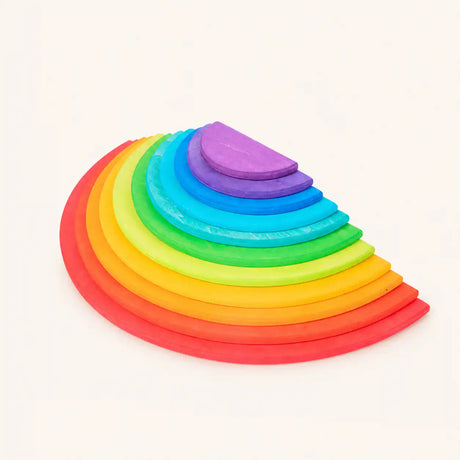
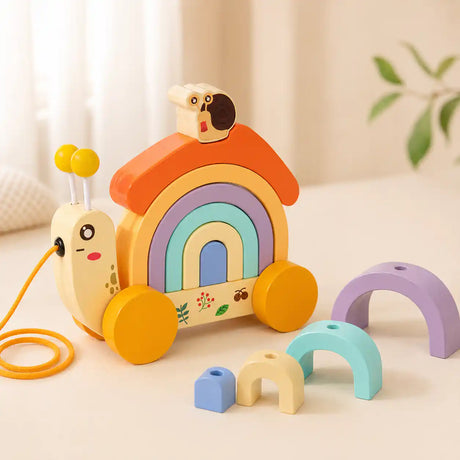
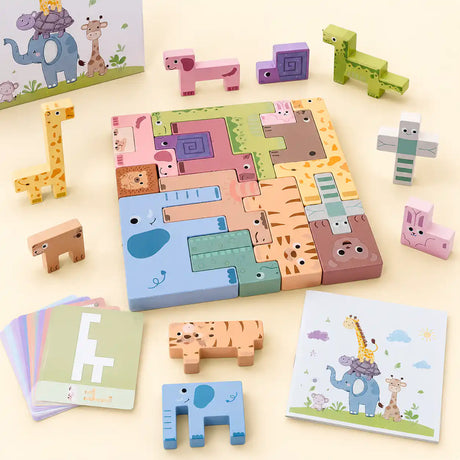
Balancing cacti, animal balance sets, wooden scales, and stacking puzzles that demand a steady hand — Montessori balancing toys ranging from simple toddler versions to genuinely challenging sets for preschoolers.
Balancing Toy Questions
What age are balancing toys suitable for?
Simple balancing toys with wide bases work from about two. More demanding sets — narrow contact points, many pieces, or a rocking base — tend to suit three and up, when a child has both the motor control and the patience to enjoy the challenge rather than abandon it.
How are balancing toys different from stacking toys?
Stacking is mostly about sequence and placement; the pieces are designed to sit securely. Balancing removes that security — the arrangement is unstable by design, so the child has to manage weight distribution, not just order.
My child gets frustrated when it falls. Should I help?
Try to hold back at first. The falling is the feedback, and a child who works through a few collapses learns more than one who is rescued. If frustration tips into genuine distress, sit alongside and balance your own piece rather than fixing theirs.
Do balancing toys teach science?
They introduce real physical principles — center of gravity, weight distribution, stability — through direct experience rather than explanation. A four-year-old won't name those concepts, but they'll have a working intuition for them, which is where science understanding actually begins.
Are balancing toys good for concentration?
They're among the better options. The task can't be rushed, so a child who wants to succeed has to slow down — and that self-imposed calm is the quality Montessori practice describes as absorbed concentration.
Some sets contain small parts. Adult supervision is recommended; see each product page for age guidance.
Read more about Balancing Toys Show less
You May Also Like
View all-
1 year30% off
-
1 year31% off
-
1 year29% off
-
1 year31% off
-
1 year30% off
-
2-3 year31% off
-
1 year30% off
-
3-4+ year31% off
-
2-3 year31% off
-
1-2 year30% off