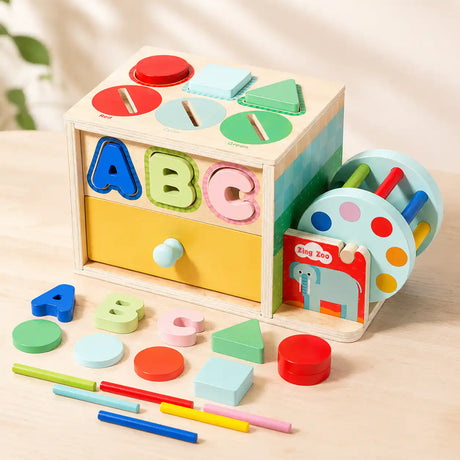
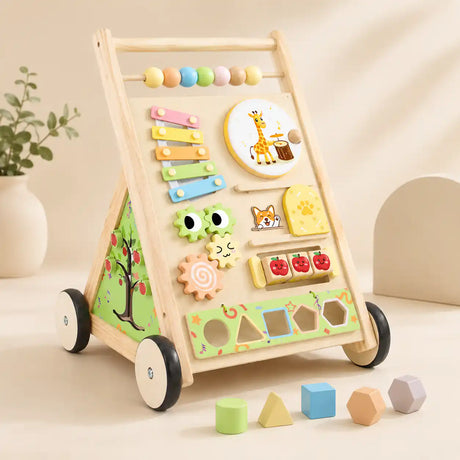
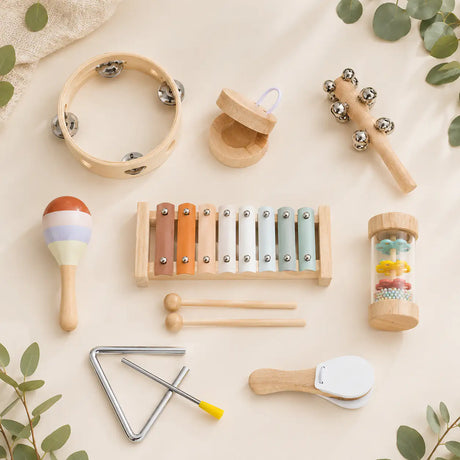
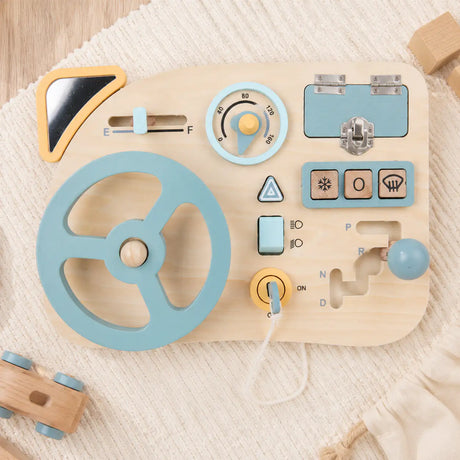
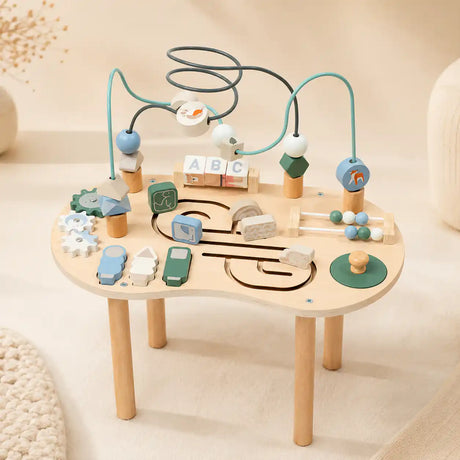
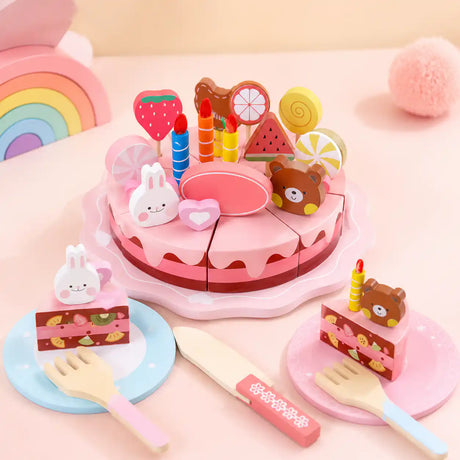
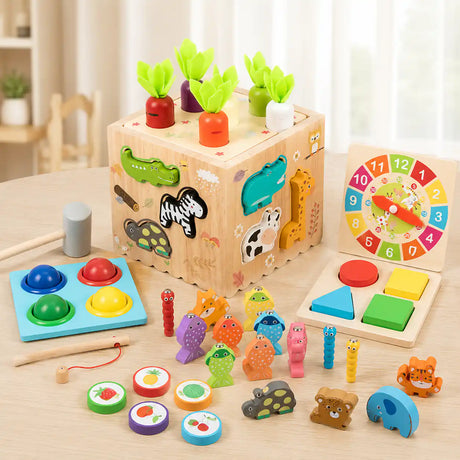
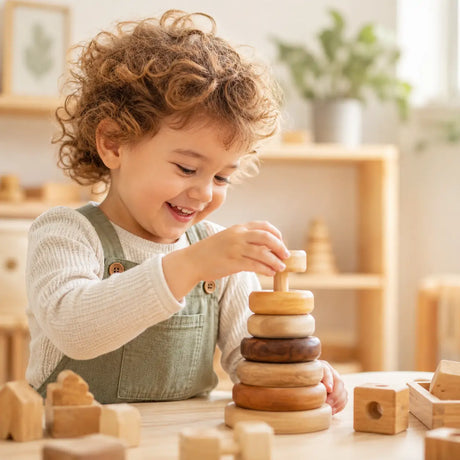
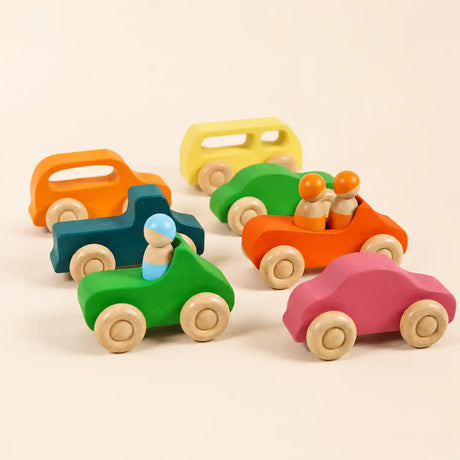
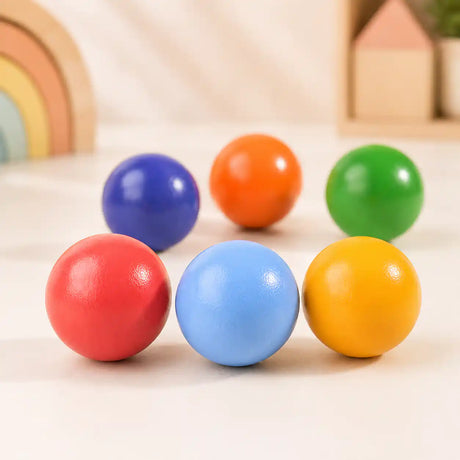
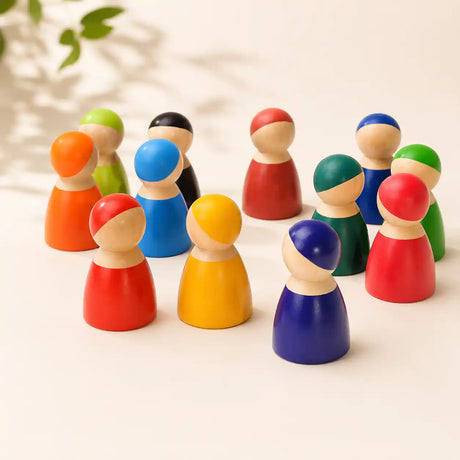
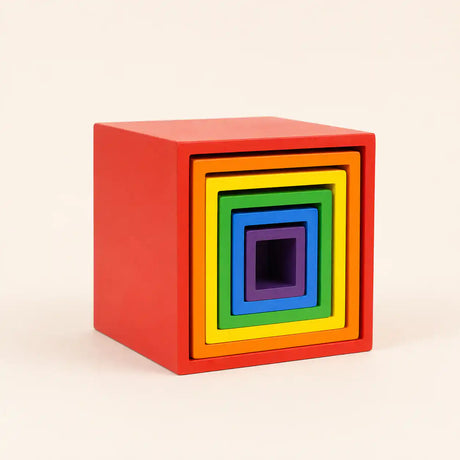
Some toys are made to be handed down. Our Waldorf-inspired toys are the open-ended, natural-wood pieces that invite a child to imagine, build, and tell their own stories — rainbows, arches, peg dolls, and loose parts with no single right way to play.
 1 year31% off
-
1 year31% off
-
1 year29% off
-
2-3 year32% off
-
1-2 year30% off
-
1-2 year31% off
-
2-3 year29% off
-
2-3 yearSold out
-
3-4+ year31% off
-
3-4+ year30% off
-
2-3 year30% off
-
1-2 year30% off
-
2-3 year29% off
-
2-3 year31% off
-
2-3 year31% off
-
2-3 year29% off
-
2-3 year31% off
-
2-3 year29% off
-
1 year30% off
-
1 year30% off
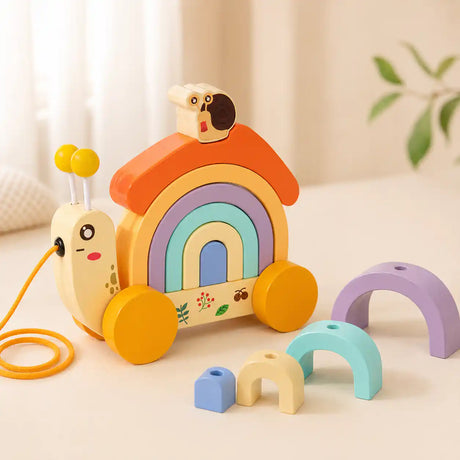

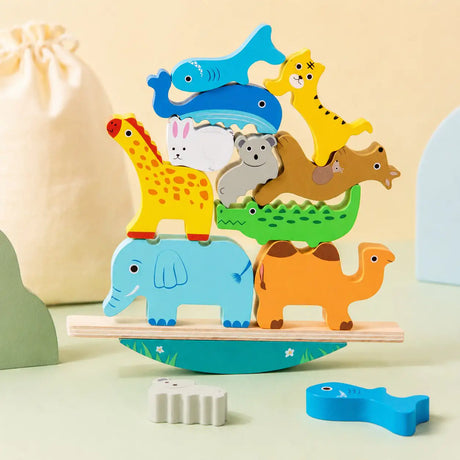


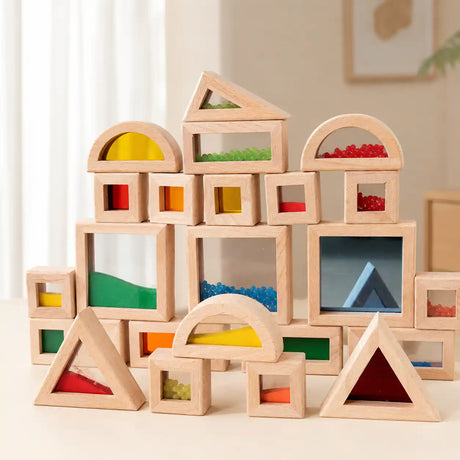

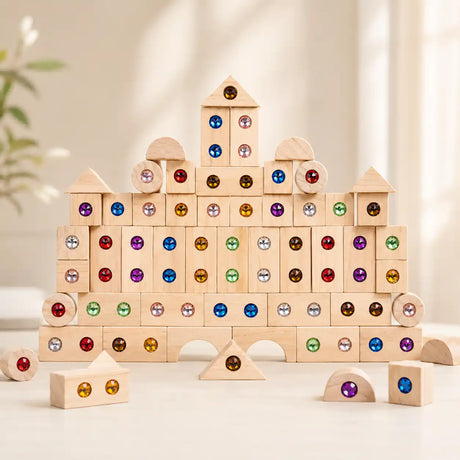










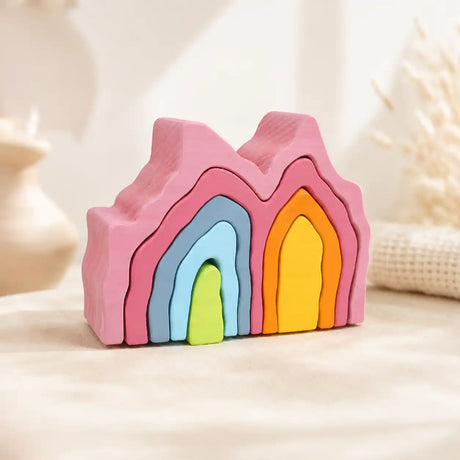

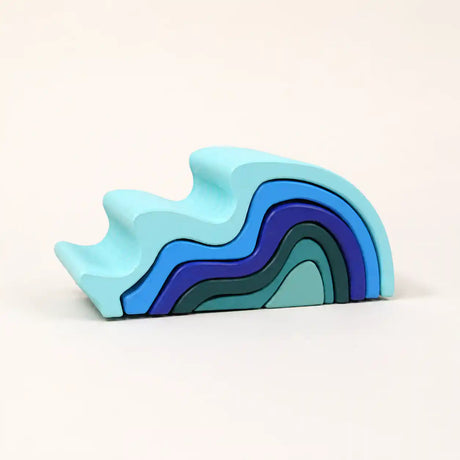

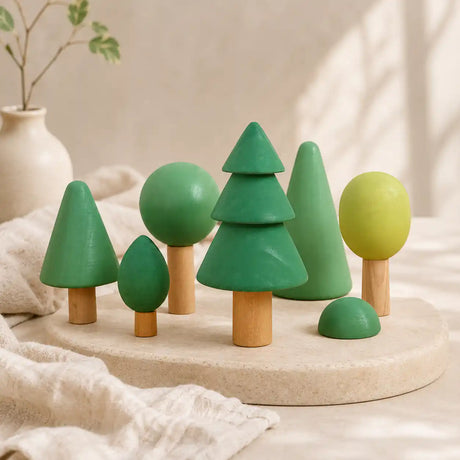

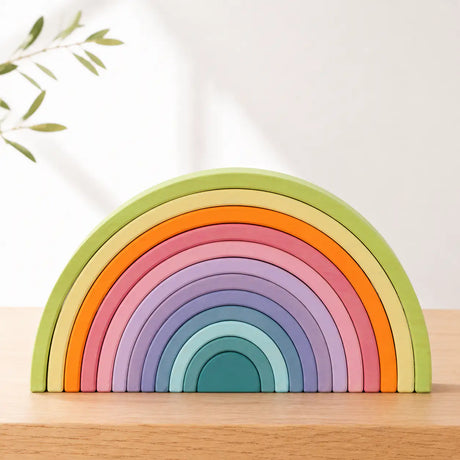


What Makes a Toy Waldorf-Inspired?
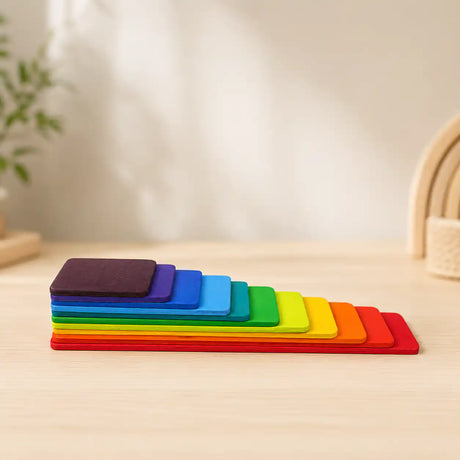
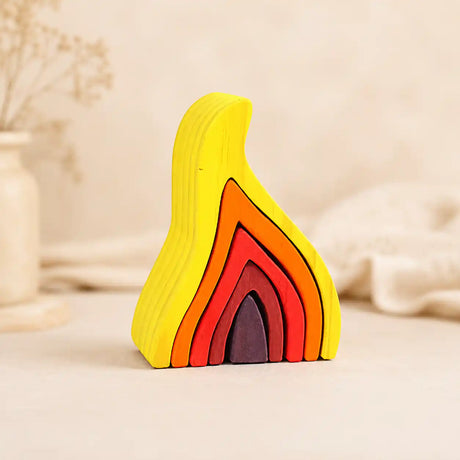
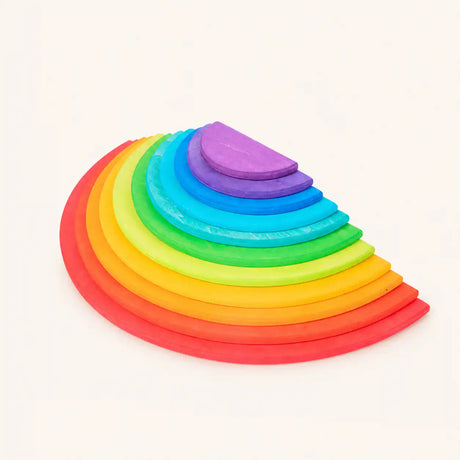
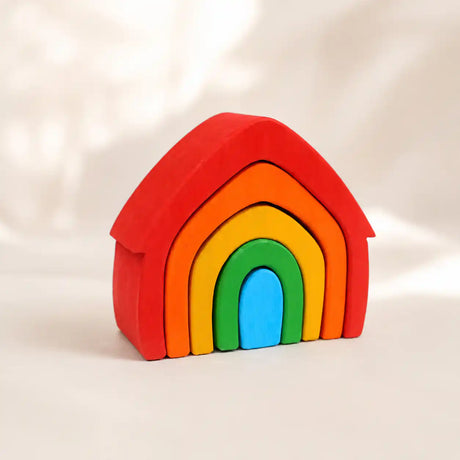
Waldorf toys are defined by what they leave out. No batteries, no lights, no prescribed outcome. A wooden rainbow becomes a tunnel, a fence, a boat, or a crown depending on the day and the child. That openness is the point: the toy stays simple so the imagination does the work.
- Natural materials — solid wood with visible grain and a warm weight in the hand
- Loose parts — pieces that combine, stack, and rearrange without instructions
- Soft, unsaturated color — washes that let the wood show through rather than hiding it
- Built to last — construction that survives a decade and a second child
Heirloom Quality, Meant to Be Kept
These are the toys that don't get cycled out at the end of a phase. A rainbow stacker a toddler nests at eighteen months becomes a bridge for figurines at four and a shelf sculpture at seven. That longevity is why heirloom toys make such natural gifts from grandparents — they read as something kept rather than something consumed.
Waldorf Toy Questions
What is the difference between Waldorf and Montessori toys?
Both favor natural materials and screen-free play, but they point in different directions. Montessori toys usually have a built-in purpose and a correct outcome — a shape fits one slot, a cylinder matches one hole. Waldorf toys deliberately have no correct answer; the same set of arches works as a garage, a mountain range, or a nest. Many families use both, and plenty of toys sit comfortably in the overlap. We've written a fuller comparison if you'd like the detail.
What age are Waldorf toys best for?
Open-ended toys have unusually long runways. A child can begin nesting and stacking around eighteen months and still be building elaborate scenes with the same pieces at six or seven. Check the age grading on each product page, since smaller loose parts carry choking risk for younger children.
Why are Waldorf toys so plain?
The simplicity is intentional. A toy with a printed face has already decided what it is. A blank wooden peg doll can be a parent, a dragon, or a bus driver, and the child does the deciding. Waldorf education treats that imaginative work as the valuable part, so the toy stays quiet to leave room for it.
Are these toys good for open-ended play?
That's what they're built for. There are no instructions, no batteries, and no single right way to use anything in this collection. The measure of a good session is what the child invented, not whether they got it right.
Do Waldorf toys make good gifts?
They tend to, particularly from grandparents and for milestone occasions. They arrive looking substantial, they don't date, and they get kept rather than outgrown.
Adult supervision is recommended, as some pieces are small. Please review the age guidance on each product page before purchase.
Read more about Waldorf & Heirloom Toys Show less
You May Also Like
View all-
1 year29% off
-
1 year31% off
-
1 year30% off
-
1 year31% off
-
2-3 year31% off
-
1-2 year31% off
-
3-4+ year31% off
-
3-4+ year30% off
-
1 year30% off
-
2-3 year30% off