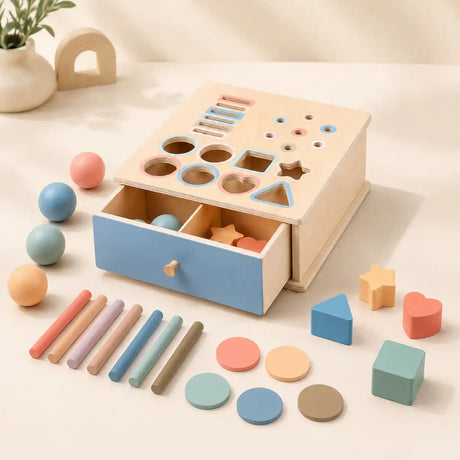
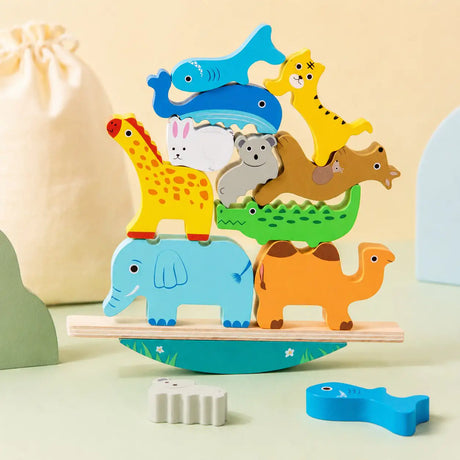
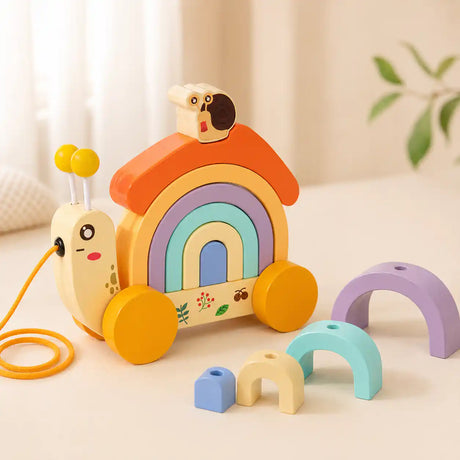
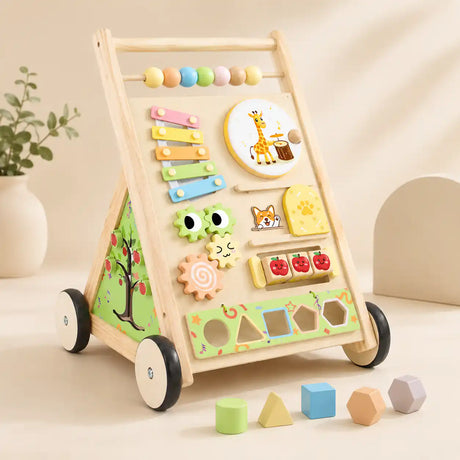
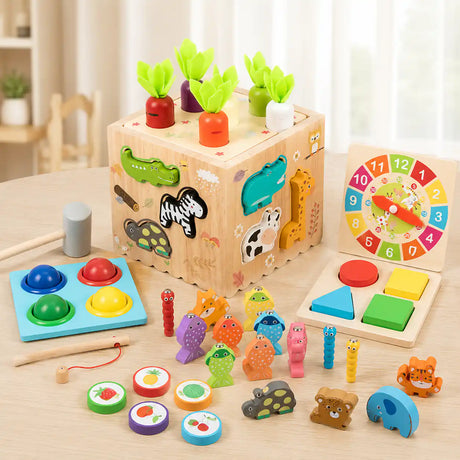
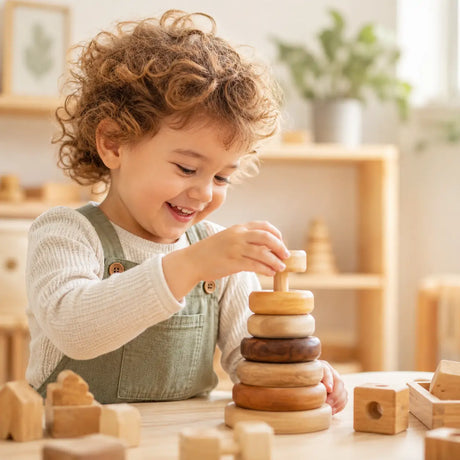
Early letters and numbers, made hands-on. Our wooden alphabet and number toys — flashcards, number blocks, counting games, and magnetic sets — introduce little learners to language and math through play rather than screens.
 1 year29% off
-
1 year30% off
-
3-4+ year29% off
-
2-3 year29% off
-
2-3 year31% off
-
1-2 year30% off
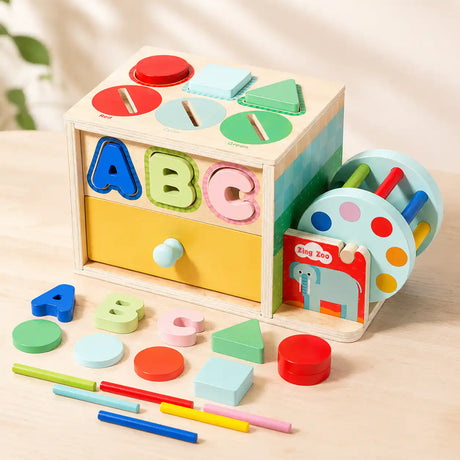

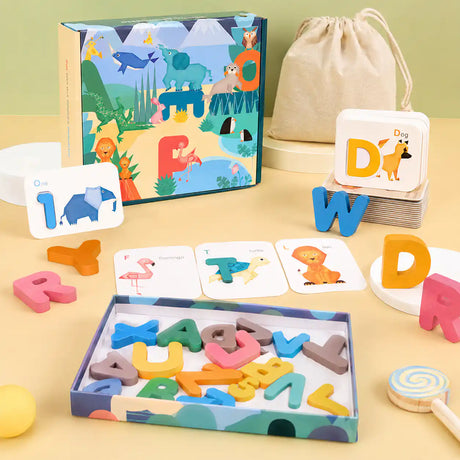


Learning Letters Through Touch
Children learn letter shapes more reliably when they handle them. Tracing a wooden letter with a finger engages motor memory alongside visual recognition, which is why Montessori classrooms have used tactile letters for over a century.
- Letter recognition — shapes learned by hand as well as by eye
- Number sense — quantity understood physically before it becomes an abstract symbol
- One-to-one correspondence — counting objects, not just reciting numbers
- Pre-writing control — the hand movements that later become letter formation
What's in This Collection
Alphabet flashcards, stacking number blocks, magnetic alphabet fishing games, and counting sets — Montessori letters and numbers toys for children building the first blocks of literacy and numeracy.
Letters & Numbers Questions
What age should a child learn letters and numbers?
Most children show interest in letters somewhere between three and four, and in counting a little earlier. Interest is the signal worth following rather than the calendar — a child who isn't curious yet will learn faster later than one who is pushed early.
Should children learn letter names or letter sounds first?
Sounds are generally more useful for reading. Knowing that the letter makes a /s/ noise helps a child decode a word; knowing it's called "ess" doesn't. Most approaches teach both, but lead with the sound.
What is one-to-one correspondence in counting?
It's the understanding that each object gets exactly one number word, and that the last number said is the total. A child can recite one through ten long before this clicks — and reciting isn't counting until it does. Physical counting toys are how the gap closes.
How do I make learning letters fun rather than a chore?
Keep it short, follow their lead, and stop before they want to. Games, hunts, and hands-on sorting work far better than drills. If a session feels like homework to you, it certainly does to them.
Are flashcards a good way to teach toddlers?
Used as a game, they're fine — matching, hiding, and sorting cards all work. Used as drill with a toddler expected to sit and perform, they tend to backfire. The physical, playful handling is what makes them worthwhile.
Adult supervision is recommended. Some sets contain small parts and magnets; see each product page for age guidance.
Read more about Letters & Numbers Show less
You May Also Like
View all-
1 year30% off
-
1 year31% off
-
1 year29% off
-
1 year31% off
-
1 year30% off
-
2-3 year31% off
-
1 year30% off
-
3-4+ year31% off
-
2-3 year31% off
-
1-2 year30% off