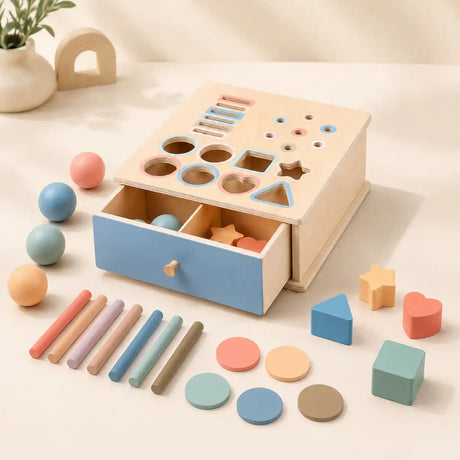
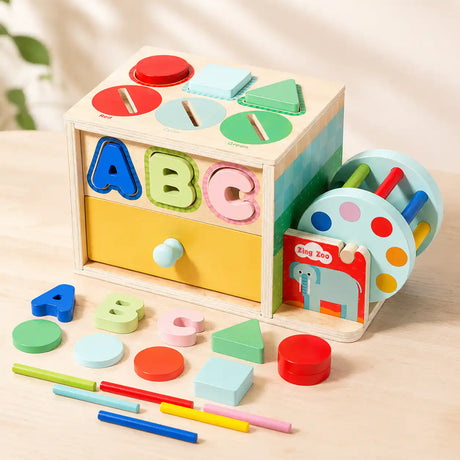
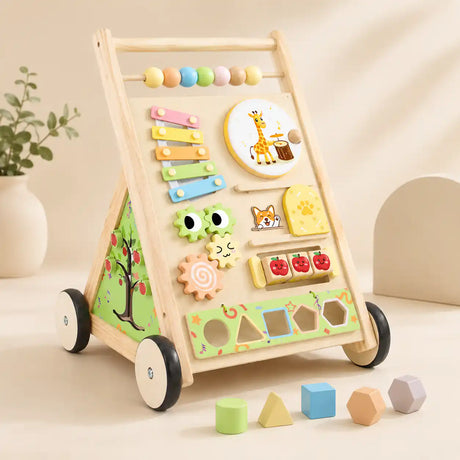
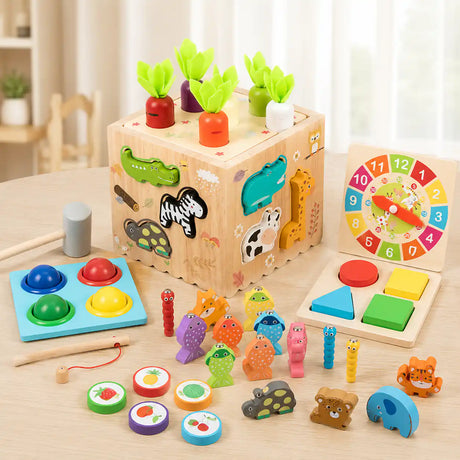
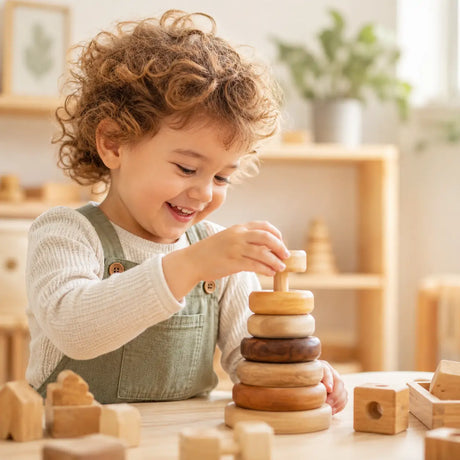
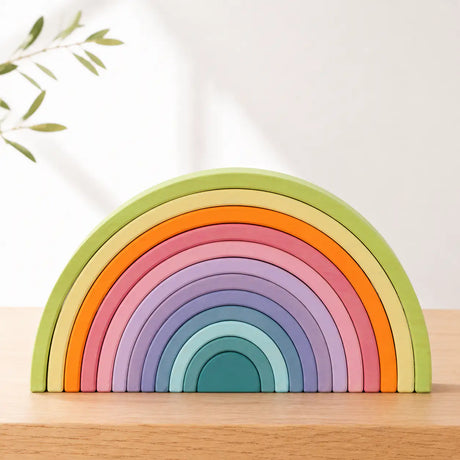
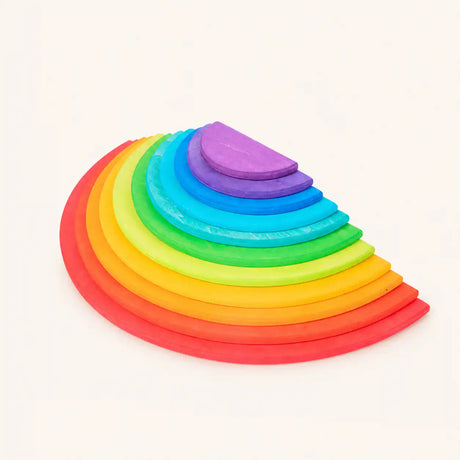
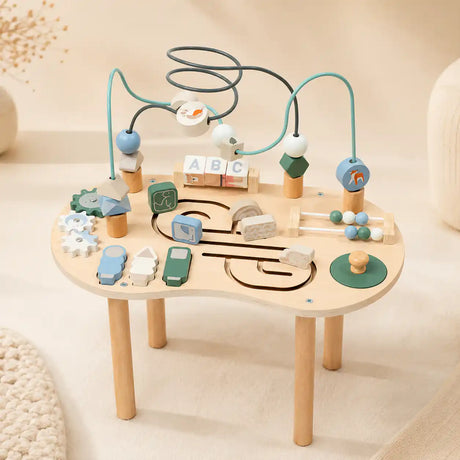
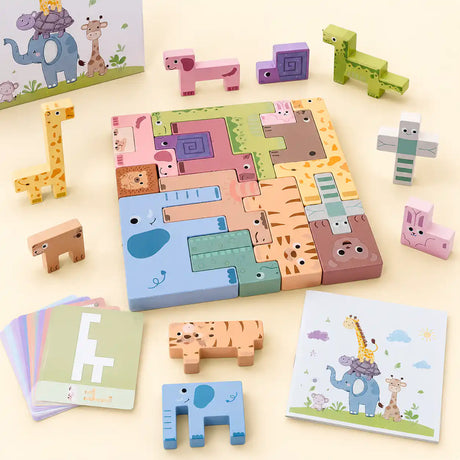
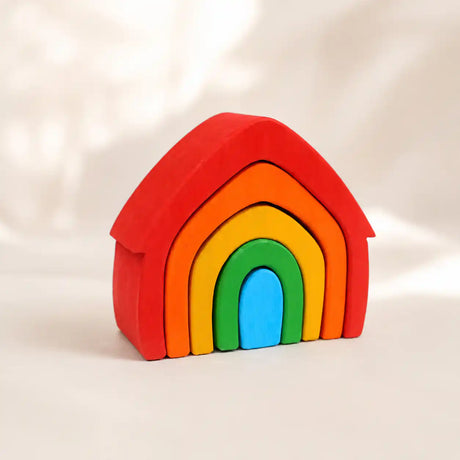
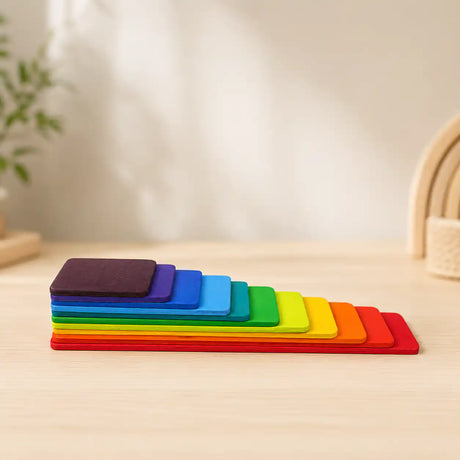
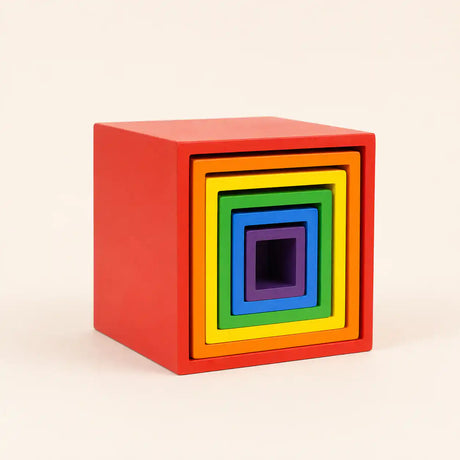
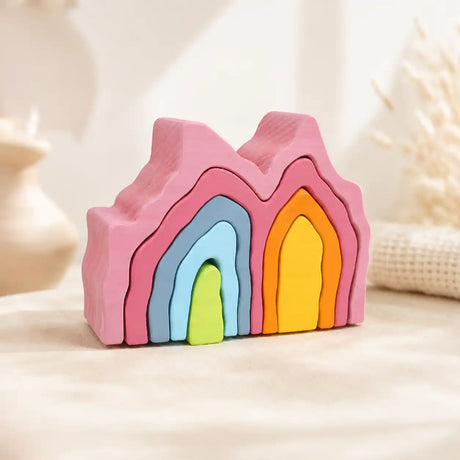
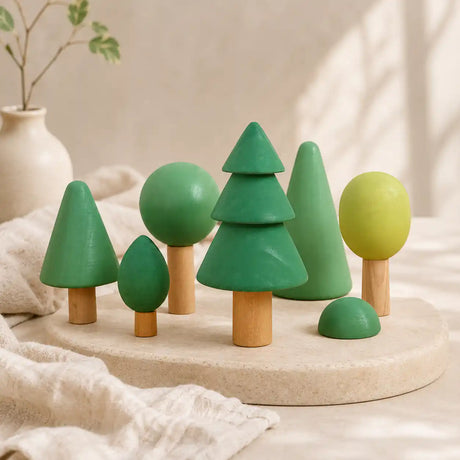
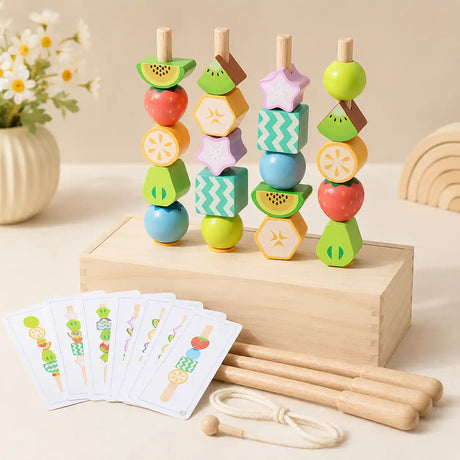
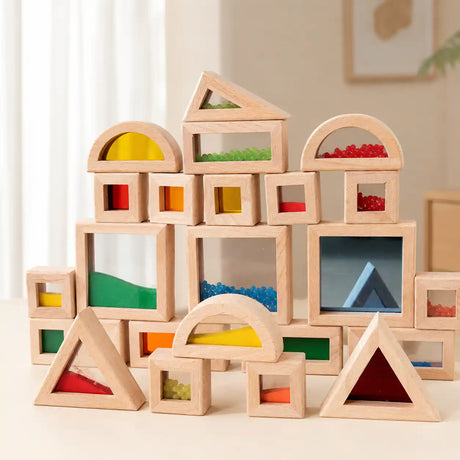
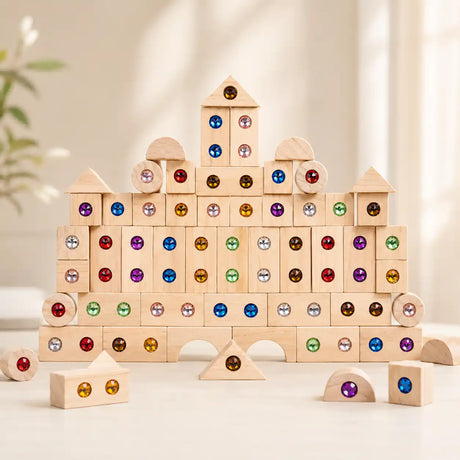
Stacking toys that turn focus, coordination, and imagination into hands-on play. Each piece here is made for little hands learning to balance, build, and rebuild — from wooden rainbow stackers to nesting sets and animal balancing toys.
 1 year31% off
-
1 year31% off
-
1 year30% off
-
3-4+ year31% off
-
2-3 year31% off
-
1-2 year30% off
-
3-4+ year30% off
-
1 year30% off
-
2-3 yearSold out
-
3-4+ year30% off
-
2-3 year30% off
-
2-3 year29% off
-
2-3 year31% off
-
2-3 year29% off
-
2-3 year29% off
-
2-3 year31% off
-
1-2 year30% off
-
2-3 year31% off
-
2-3 year30% off
-
1-2 year30% off
-
1-2 year31% off
-
2-3 year32% off
-
1 year29% off
-
1 year30% off






















What Stacking Teaches
Stacking is one of the first activities where a child sets themselves a goal and works toward it. The tower either stands or it falls, and the feedback is immediate, honest, and endlessly repeatable — which is exactly why toddlers will do it forty times in a row.
- Hand-eye coordination — placing a piece precisely enough that it holds
- Spatial reasoning — judging size, order, and balance
- Cause and effect — discovering why one tower stands and another topples
- Persistence — rebuilding after a collapse, which is most of the activity
Stackers, Nesters, and Balancers
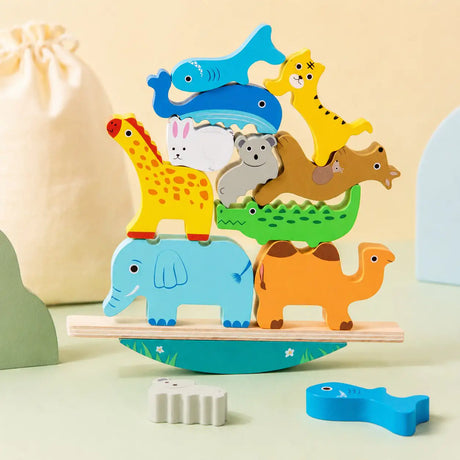
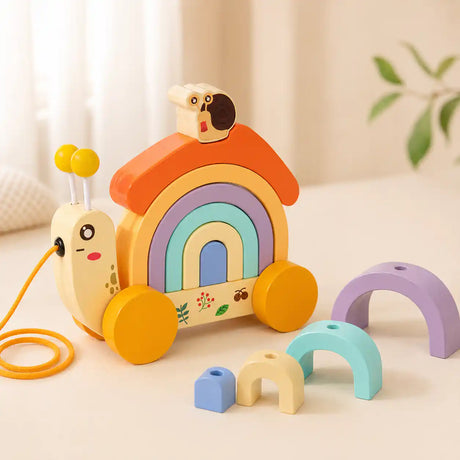
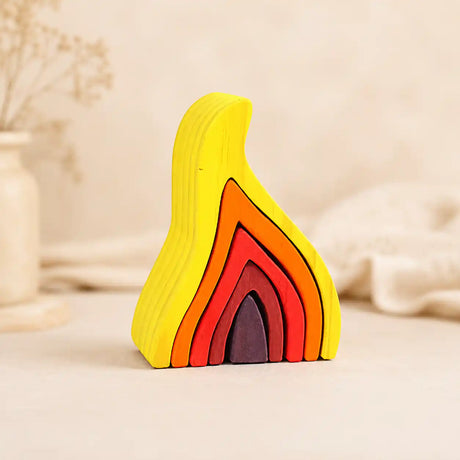
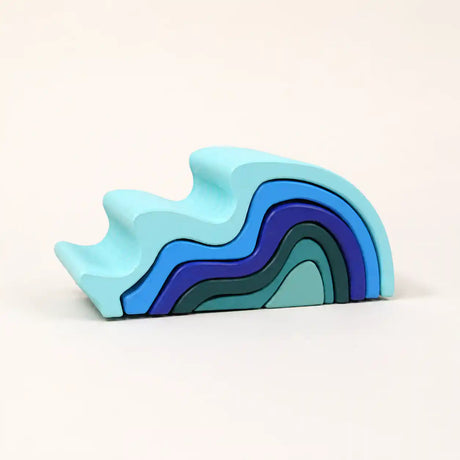
The collection covers three related types. Ring and disc stackers introduce sequencing by size. Nesting sets work in both directions, fitting inside one another or building upward. Balancing toys add an element of challenge, requiring a steadier hand and more patience. Together they carry a child from around twelve months into the preschool years.
Stacking Toy Questions
What age do babies start stacking?
Most children can place one block on another somewhere around twelve to fifteen months, and can build a tower of three or four by eighteen months. Before that, the favorite activity is knocking down towers an adult has built — which is also developmentally useful, and should be allowed.
What skills do stacking toys develop?
Hand-eye coordination, spatial awareness, size sequencing, and grasp-and-release control. They also build early problem-solving: a child who has watched a tower fall three times starts adjusting how they place the next piece.
What is the difference between stacking and nesting toys?
Stacking builds upward, usually onto a peg or as a free tower, and emphasizes balance. Nesting fits pieces inside one another and emphasizes size relationships. Many of our sets do both, which extends how long they stay interesting.
Why does my toddler knock the tower down instead of building?
Because knocking down is the more interesting experiment at that stage. It's immediate, dramatic, and entirely under their control — a genuine lesson in cause and effect. Building comes once the destruction has been thoroughly explored.
Are stacking toys good for a first birthday gift?
They're among the most reliable choices at twelve months, because they match exactly what a one-year-old is working on. They also stay in use for years, which is more than most first birthday presents manage.
Adult supervision is recommended. Age guidance and full details are listed on each product page.
Read more about Stacking Toys Show less
You May Also Like
View all-
1 year30% off
-
1 year31% off
-
1 year29% off
-
1 year31% off
-
1 year30% off
-
2-3 year31% off
-
1 year30% off
-
3-4+ year31% off
-
2-3 year31% off
-
1-2 year30% off