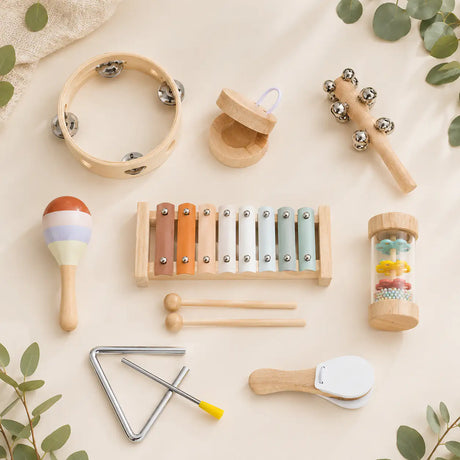
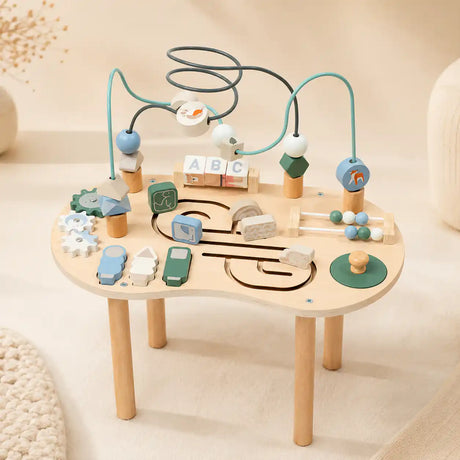
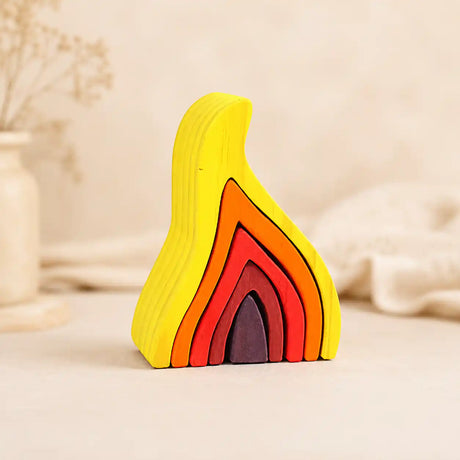
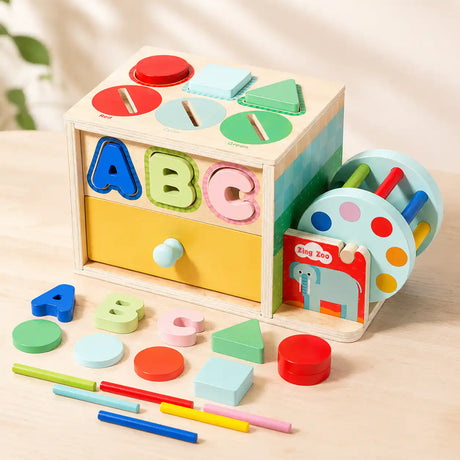
Secondhand toys can be a wonderful, sustainable choice — with a few checks first. Before handing one to a young child, look it over for damage and loose small parts, confirm it isn't on a recall list, and give it a clean. Wooden toys in particular often age beautifully and are well suited to being passed on. This guide is part of our Toy Safety & Materials hub, and for recalls the U.S. Consumer Product Safety Commission (CPSC) recall list is the place to check.
Below is a simple pre-play checklist for thrifted, hand-me-down, and yard-sale toys, plus a few things that are best not bought secondhand at all.

Key takeaways
- Inspect first: check for cracks, splinters, sharp edges, and loose or missing parts.
- Check for recalls on the CPSC recall list before giving a used toy to a child.
- Clean it before first use — wipe wooden toys, don't soak them.
- Confirm the age grade still applies, and that no small parts have come loose.
- Some items are best bought new — anything relying on up-to-date safety standards or intact protective parts.
Are secondhand toys safe for babies and toddlers?
Often, yes — a sturdy, well-made toy can have many lives, and buying preloved keeps good toys out of landfill. The key difference from buying new is that you're the one doing the safety check the store would otherwise stand behind. That's very doable with a few minutes of attention: most concerns come down to wear and tear, missing pieces, and older toys that predate current safety expectations.
The pre-play checklist
Before a used toy goes into rotation, run through this quick list. Look for damage — cracks, splinters, chips, or sharp edges, and retire anything that can't be smoothed or repaired. Tug-test parts — make sure eyes, wheels, knobs, and other pieces are firmly attached. Watch for small parts — a toy that's lost a piece may have created a new choking hazard; see our small parts and choking hazards guide. Check the batteries and closures on anything battery-powered, especially that button-battery compartments are secured shut.

Always check for recalls
A toy that was sold years ago may have been recalled since. Before giving a secondhand toy to a child, search the brand and product on the CPSC recall list. Recalls happen for reasons that matter — small parts, magnets, batteries, or other hazards — and a recalled item shouldn't be passed along. This one step takes a minute and is well worth it.
Give it a clean before first use
Once a used toy passes inspection, clean it before your child plays with it. For wooden toys, wipe with a cloth dampened with mild soapy water and dry thoroughly — never soak them, as covered in our guide to cleaning and caring for wooden toys. A light refresh with a food-safe oil or wax can also bring a dry-looking wooden toy back to life.
What's best bought new?
A few things are worth buying new rather than secondhand. Anything whose safety depends on current standards or intact protective parts — for example, items with straps, or products where an older version may not meet today's expectations. If a toy is missing pieces that matter to how it's used, or you can't identify the brand to check for recalls, it's reasonable to pass. When in doubt, choosing new gives you the manufacturer's current safety information to rely on.
Secondhand toy check at a glance
| Step | What to do |
|---|---|
| Inspect | Cracks, splinters, sharp edges, loose parts |
| Tug-test | Check attached pieces are secure |
| Recall check | Search the brand/product on cpsc.gov/Recalls |
| Clean | Wipe (don't soak) and dry before first use |
| Age check | Confirm the age grade still fits your child |
Frequently asked questions
-
Are secondhand toys safe to give a baby?
They can be, after a quick check. Inspect for damage and loose small parts, confirm the toy isn't recalled on the CPSC list, clean it, and make sure the age grade still fits. Retire anything cracked, splintered, or missing key pieces. -
How do I check if a used toy has been recalled?
Search the brand and product name on the CPSC recall list at cpsc.gov/Recalls before giving it to a child. If it's recalled, don't pass it along. -
How should I clean a secondhand wooden toy?
Wipe it with a cloth dampened with mild soapy water and dry it thoroughly — never soak wooden toys. A food-safe oil or wax can refresh a dry-looking surface once it's clean and dry. -
What used toys should I avoid buying?
Be cautious with anything missing pieces, unbranded (so you can't check recalls), or whose safety depends on current standards or intact protective parts. When in doubt, buy that item new. -
Do older toys meet today's safety standards?
Not always — standards evolve. That's why a recall check and a careful inspection matter most for older toys, and why some items are better bought new.
A note on safety: this is general educational information, not a substitute for official guidance. Always check the CPSC recall list (cpsc.gov/Recalls), inspect used toys before use, supervise young children during play, and retire any toy that is damaged or missing pieces that create a hazard.
Last reviewed: July 2026.