If the toy aisle felt more expensive this year, it wasn't your imagination. New U.S. tariffs on imported goods have worked their way onto price tags through 2025 and into 2026, and toys — nearly 80% of which are made in China, according to The Toy Association — sat right in the path.
What happened
Beginning in February 2025, the U.S. layered new tariffs onto Chinese imports, rising from an additional 10% to 20% within weeks, alongside duties on other trading partners. The effect on toys specifically was steep. An analysis from the Progressive Policy Institute found that tariff bills on toys and Christmas ornaments rose from about $7 million in 2024 to roughly $2 billion in 2025 over the same January–September window — a figure it described as a 300-fold increase. The Bureau of Labor Statistics recorded a corresponding rise in toy prices across 2025.
For shoppers, that has meant real numbers. PBS NewsHour reported manufacturers bracing for 15–20% price increases heading into the season, citing examples like a classic steel dump truck expected to climb from $29.99 to nearly $40. Industry leaders were blunt about the pressure. "It's untenable," said Greg Ahearn, CEO of The Toy Association, describing what the added costs mean for the roughly 96% of the American toy industry made up of small businesses.
Why it matters
Toys are an unusually import-dependent category, so tariff costs pass through to families faster and more visibly than in many other aisles. The National Retail Federation found that 85% of holiday shoppers expected higher prices, and average gift spending was projected to dip year over year. When budgets tighten, the temptation is to trade down — to buy cheaper, buy more, and replace often.
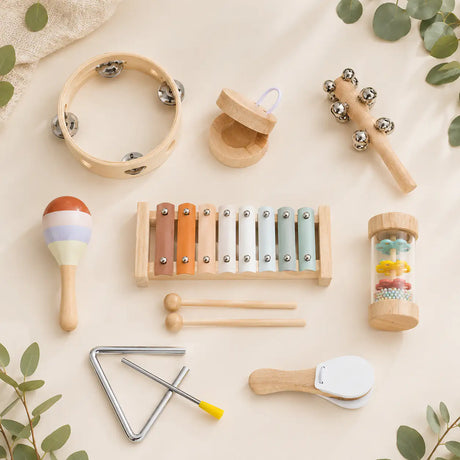
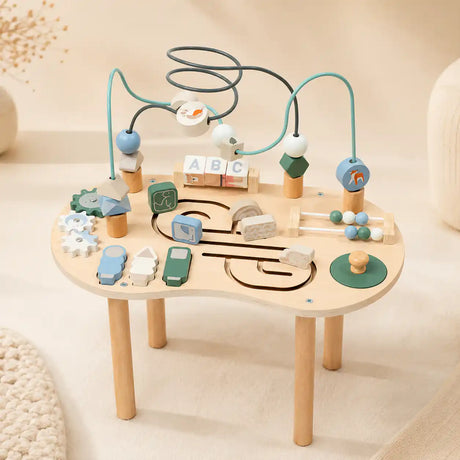
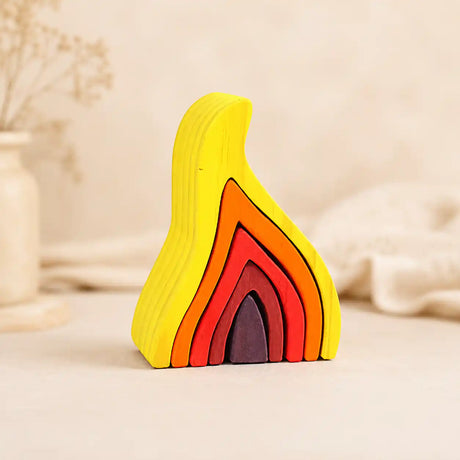
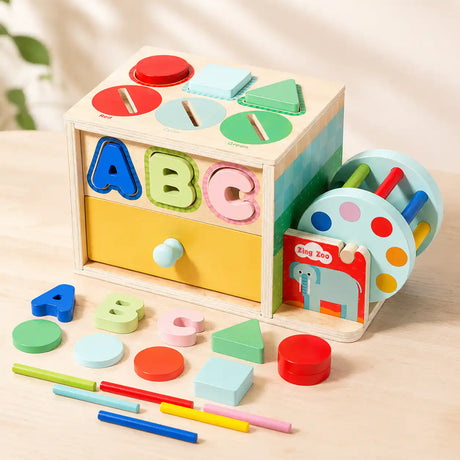
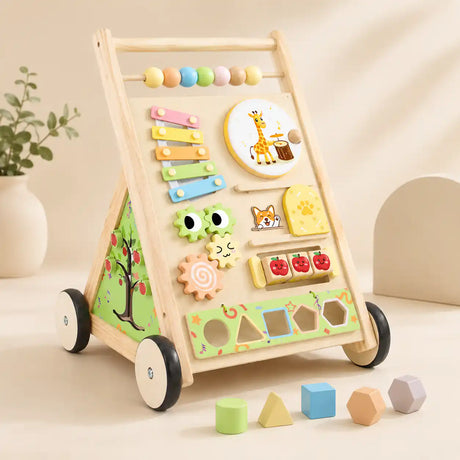
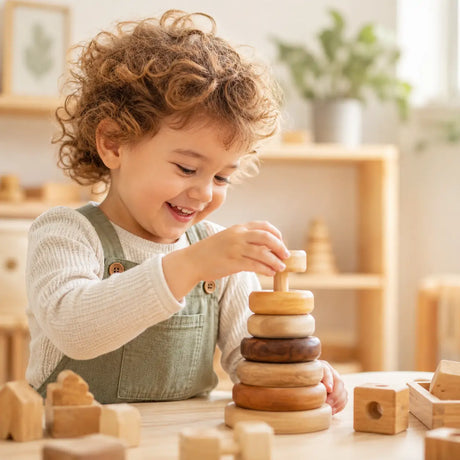
Here's the quieter takeaway. When every toy costs a little more, the math shifts in favor of the toys that last. A well-made wooden stacker or shape sorter doesn't wear out in a season; it survives being thrown, stacked on, and handed down to a younger sibling — and often to the next family after that. Open-ended toys also earn their keep differently: a set of wooden building blocks a one-year-old topples becomes the same set a four-year-old builds a castle from. The toy stays; the play grows.
That's the case for buying fewer, better things rather than filling a bin with disposable plastic. Research on toy quantity has long suggested that children with fewer options actually play longer and more deeply with each one. A smaller, considered shelf isn't just easier on a tariff-squeezed budget — it tends to make for calmer, more focused play, too.
Tariff bills on toys and Christmas ornaments rose from about $7 million in 2024 to roughly $2 billion in 2025 over the same nine-month window. — Progressive Policy Institute, December 2025
The bottom line
Prices are unlikely to snap back overnight, and planning in what one toy CEO called "a chaotic environment" is hard for retailers and parents alike. But the response doesn't have to be buying more to keep up. Choosing durable, open-ended toys that grow with a child — and outlast the trend cycle — is a strategy that made sense before the tariffs and makes even more sense now.