For years, Montessori education has been something many parents were curious about but unsure how to judge. A major national study, published in the Proceedings of the National Academy of Sciences, now offers some of the clearest evidence yet — and the findings are encouraging for any family drawn to hands-on, child-led learning.
What the study found
The research was led by University of Virginia psychology professor Angeline Lillard, with colleagues from the University of Pennsylvania and the American Institutes for Research. Using a lottery-based design that helps rule out family background as an explanation, the team followed 588 children from age three through kindergarten, about 240 of whom attended one of 24 public Montessori schools across the country.
By the end of kindergarten, children who had attended Montessori preschool showed stronger reading ability, executive function, short-term memory, and social understanding than their peers. Interestingly, some of the biggest differences appeared at the end of kindergarten rather than immediately after preschool — a sign the benefits may build over time. Lower-income children and boys showed particularly strong gains.
The cost surprise
The study also looked at price, and the result runs counter to the assumption that a richer early-learning approach must cost more. Researchers found that three years of public Montessori preschool cost about $13,000 less per child than traditional programs, largely because of intentionally larger child-to-teacher ratios at the older preschool ages.
“There is a growing and compelling case for considering this alternative model.” — Angeline Lillard, University of Virginia
What this means for learning at home
Most families won’t enroll in a public Montessori school — and the good news is that the heart of the method doesn’t require one. What the classrooms in this study share is a simple idea: give children real, purposeful materials, then let them work at their own pace, correct their own mistakes, and follow their curiosity.
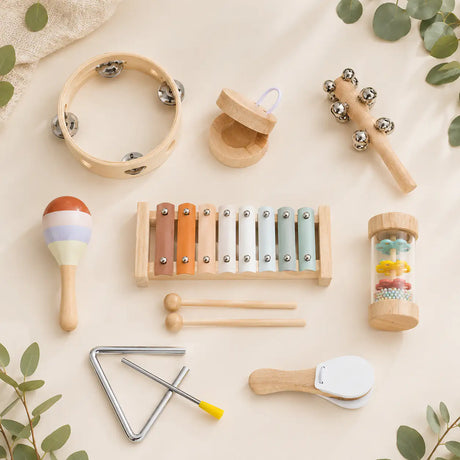
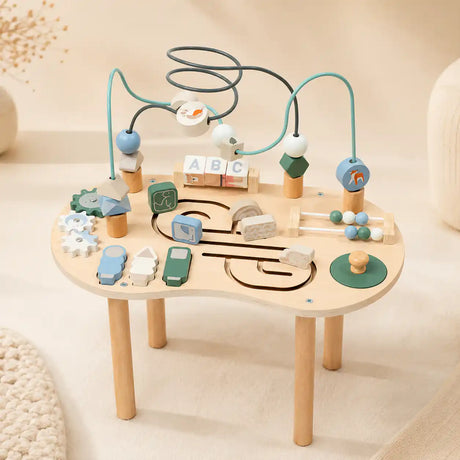
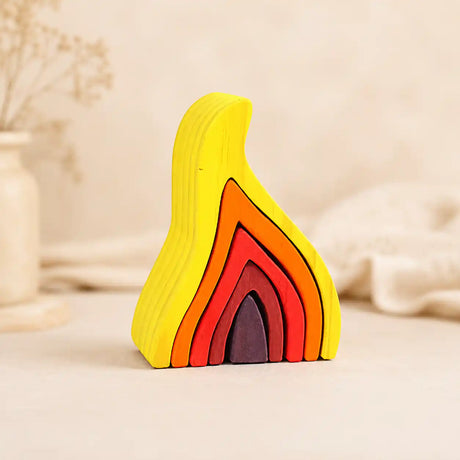
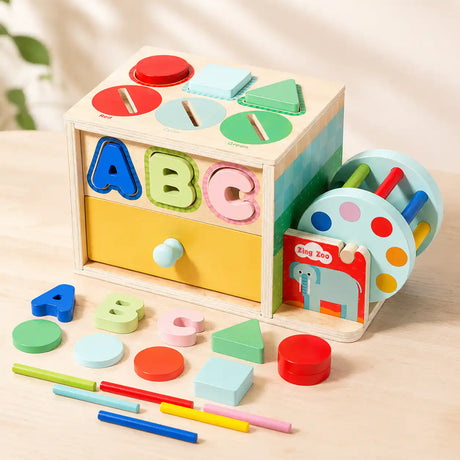
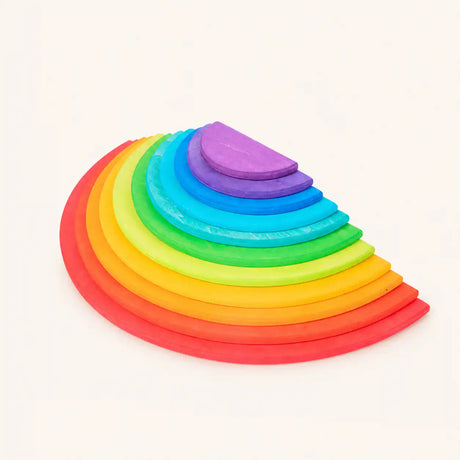
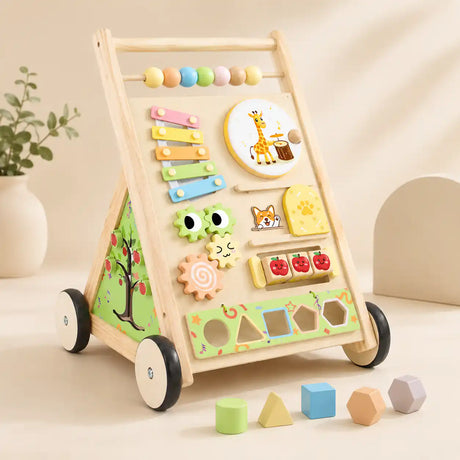
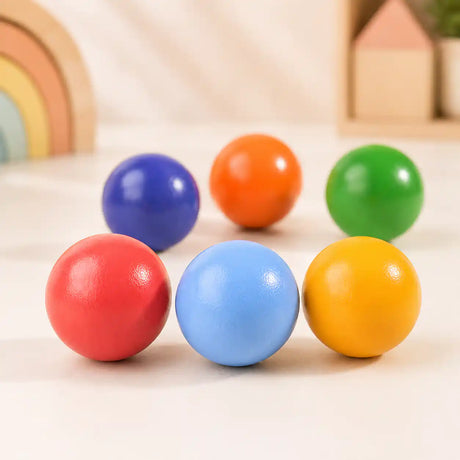
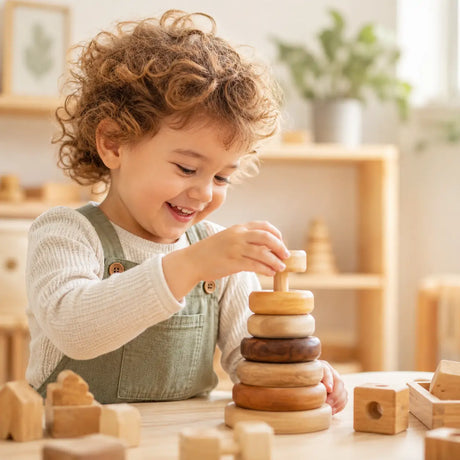
That’s something any home can borrow. Offering a small, well-chosen set of hands-on toys — rather than a large pile — makes it easier for a toddler to focus, finish a task, and feel the quiet satisfaction of figuring something out. Sorting, stacking, threading, and matching activities all echo the kind of self-directed, concrete learning the study describes.
It’s the principle behind how we curate at JuniSprouts: Montessori-inspired wooden toys designed to support focus, fine motor skills, and independent discovery, chosen one thoughtful piece at a time instead of by the binful.
The bottom line
A rigorous national study found that Montessori preschool can support stronger learning at a lower cost — strong validation for an approach that trusts children to lead their own discovery. You don’t need a classroom to bring that spirit home. A few purposeful, hands-on materials and the freedom to explore them go a long way.
Sources: Lillard et al., Proceedings of the National Academy of Sciences (October 2025); University of Virginia newsroom.