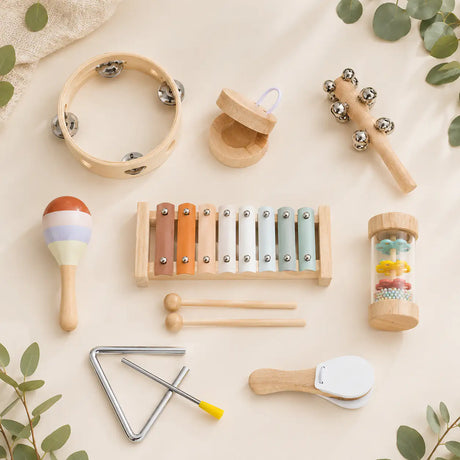
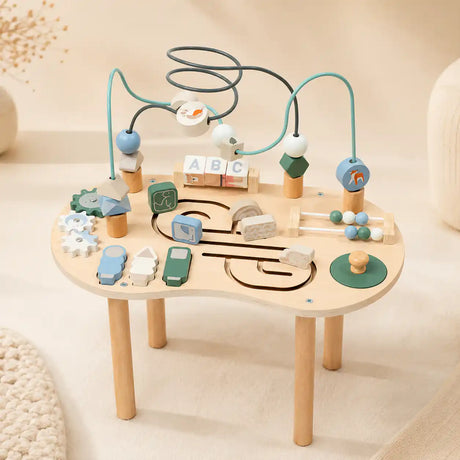
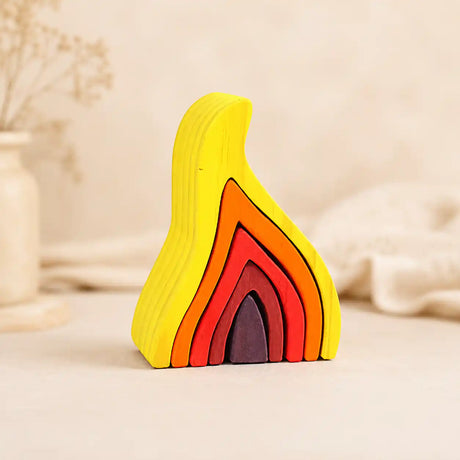
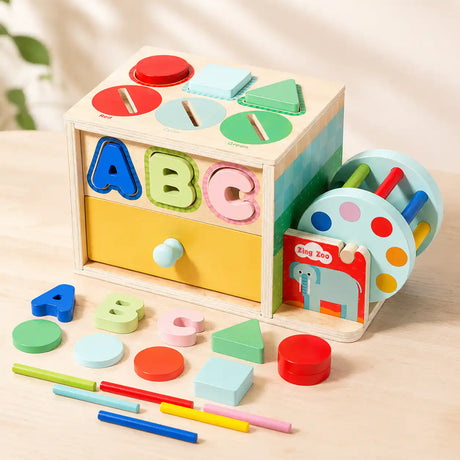
The shift you may have noticed on your own toy shelf — more natural wood, fewer flashing plastic gadgets — now has a number attached to it. New market analysis values the global wooden-toy market at USD 33.9 billion in 2026, up from USD 31.2 billion in 2025, and projects it will reach USD 57.1 billion by 2035. The report names three forces behind the growth, and each one reads like a page from the modern parenting playbook.
What happened
According to a 2026 wooden-toy market report from Global Market Insights, the category is growing at a roughly 6% compound annual rate through 2035. Within it, educational toys already account for about USD 7 billion, hardwood makes up 57.6% of the market, and individual consumers — parents and gift buyers, not institutions — represent 74.4% of demand. Europe holds the largest regional share at 29%, while Asia-Pacific is the fastest-growing region.
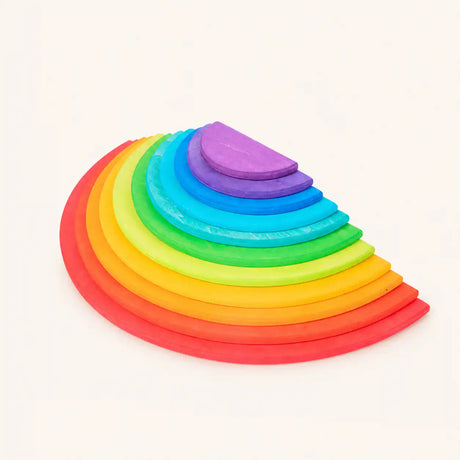
The report points to three drivers. First, the rising popularity of Montessori, Waldorf and Reggio Emilia approaches, which favor modular, open-ended toys. Second, sustainability — families choosing eco-friendlier alternatives to plastic, often with FSC-certified wood and non-toxic finishes. Third, the screen-free play movement, as parents look for toys that invite unstructured, imaginative play without electronics.
Why it matters
Market data can feel abstract, but this report is essentially a mirror held up to how younger families are shopping. The same values that show up in parenting forums — developmental purpose, natural materials, less screen dependence — are now measurable demand signals moving billions of dollars. It also signals durability: a 6% growth rate sustained over a decade suggests this is a preference shift, not a passing aesthetic trend.
What this means for parents shopping for toddlers
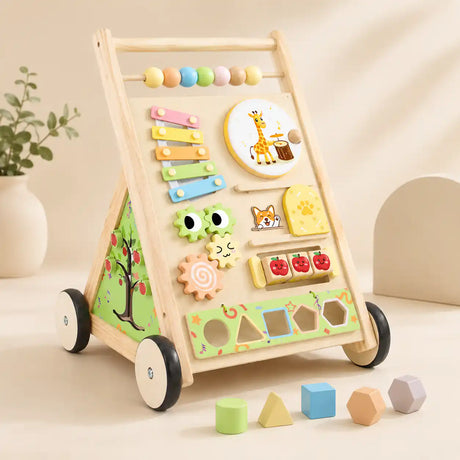
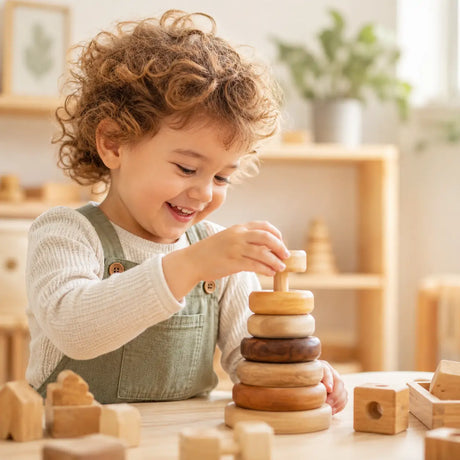
If you've been drawn to wooden stackers, sorters and busy boards, you're not chasing a fad — you're part of a well-documented movement toward open-ended, developmental play. The practical upside of that movement is more thoughtful choice than ever: more brands sourcing responsibly, more attention to finishes and age-grading, and more toys designed around a child working something out for themselves rather than pressing a button to make a sound happen.
The report's framing is a useful shopping filter, too. Look for the three qualities it credits for the boom: open-ended design that grows with your child, genuinely sustainable materials, and screen-free engagement that rewards curiosity. You'll find that mix across our wooden toys collection and our Waldorf & heirloom toys — and if you prefer to shop by age, the Montessori toys for 2-year-olds range is an easy entry point. A toy that checks all three tends to stay in rotation for years — which is exactly the kind of value the “toys worth keeping out” philosophy is built on.
Educational toys already account for about USD 7 billion of the wooden-toy market, and individual consumers make up 74.4% of demand. — Global Market Insights, 2026
The bottom line
The wooden-toy boom isn't really about wood — it's about what parents want play to do: support development, respect the planet, and pull kids away from screens. With the market on track to nearly double by 2035, expect more and better options every year. The through-line for shoppers stays simple: choose fewer, better toys built for open-ended play, and let them earn their place on the shelf.