A well-made wooden toy can genuinely last for decades — often long enough to pass from one child to the next. Solid wood is hard to break, easy to repair, and tends to look better with age rather than worse. With a little care, many wooden toddler toys outlive the childhood they were bought for and become the kind of thing a family keeps. This guide is part of our Toy Safety & Materials hub.
Below we look at why wood lasts so well, what shortens or extends a toy's life, and how a sturdy toy becomes an heirloom.

Key takeaways
- A well-made wooden toy can last decades and be passed between siblings and generations.
- Solid wood is durable and repairable — small dings and scratches are easy to live with or fix.
- Care extends life: wipe don't soak, keep toys dry, and refresh the finish occasionally.
- Wood often develops a warm patina, gaining character rather than looking worn out.
- Durable toys are more sustainable and can become genuine heirlooms.
How long do wooden toys really last?
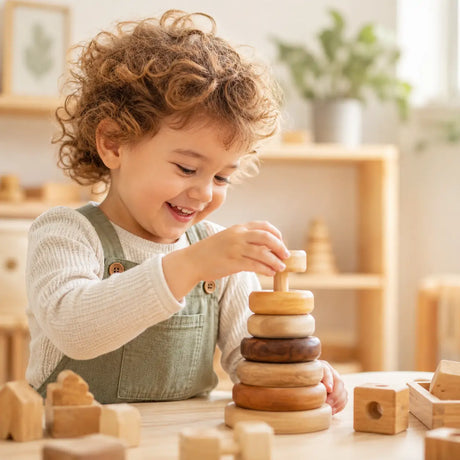
There's no single number, but the honest answer is: much longer than most plastic toys, and often long enough to serve more than one child. Because solid wood is strong and doesn't become brittle the way some plastics can, a quality wooden toy that's looked after can stay in happy use for many years. Plenty of families still play with wooden blocks, stackers, and pull-alongs handed down from an older sibling — or even a parent.
What makes wooden toys so durable?
A few things work in wood's favor. It's strong and forgiving — it can take drops and knocks that would crack thin plastic. It's repairable — a rough spot can be sanded, a loose part re-glued, a tired finish refreshed. And it ages gracefully: the small marks a toy picks up read as character, not damage. That combination is why a good wooden toy tends to stay in the toy basket for years rather than being replaced.

How to help a wooden toy last
Longevity is mostly about gentle habits. Wipe, don't soak, and dry toys promptly so moisture doesn't warp the wood — our guide to cleaning and caring for wooden toys covers the routine. Store them dry, out of damp and direct heat. Refresh the finish now and then with a food-safe oil or wax. And fix small issues early — sand a rough edge, re-glue a loose piece — while retiring anything that becomes cracked or splintered.
From sturdy toy to heirloom
This durability is what lets a simple wooden toy become an heirloom — something used, kept, and passed on. It's also part of why wooden and natural toys sit at the heart of approaches like Montessori and Waldorf, which favor lasting, open-ended materials; you can read more in our comparison of Montessori vs Waldorf toys. Choosing toys built to last is gentler on the planet, too, since one well-made toy can replace many disposable ones over the years.
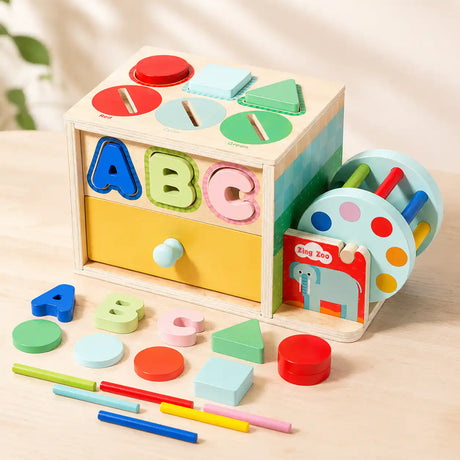
 Wooden 6-in-1 Activity Cube
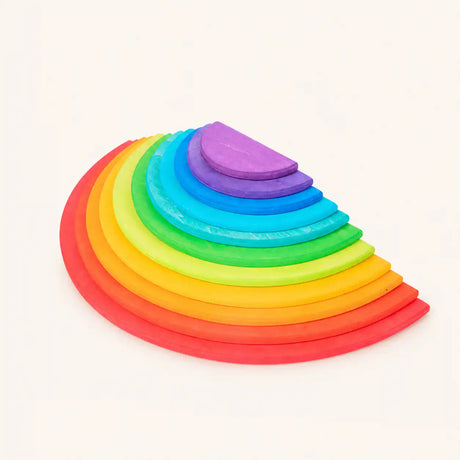
 Wooden Rainbow Semicircles
 Wooden Snail Pull-Along Rainbow Stacker
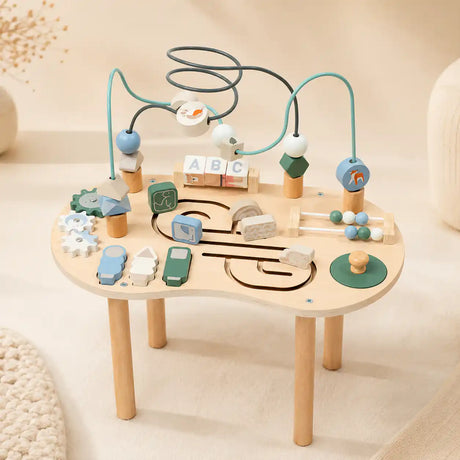
 Wooden Activity Table
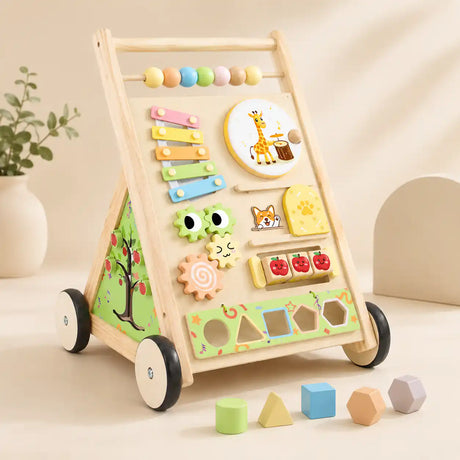
 Wooden 10-in-1 Activity Walker
Wooden toy longevity at a glance
| Extends life | Shortens life |
|---|---|
| Wiping and drying promptly | Soaking or leaving wet |
| Dry, moderate storage | Damp, hot, or sunny spots |
| Occasional oil/wax refresh | Letting the finish dry out |
| Fixing small issues early | Ignoring cracks and splinters |
Frequently asked questions
-
How long do wooden toys last?
A well-made wooden toy that's cared for can last decades — often long enough to pass between siblings or generations. Solid wood is strong, repairable, and ages gracefully, so quality wooden toys tend to outlast most plastic ones. -
Why do wooden toys last longer than plastic?
Solid wood is strong and doesn't become brittle the way some plastics can. It resists breakage, can be sanded or re-glued if needed, and develops character with age rather than cracking or fading. -
How do I make wooden toys last?
Wipe (don't soak) and dry them promptly, store them somewhere dry and away from direct heat, refresh the finish occasionally with a food-safe oil or wax, and fix small issues early. Retire any toy that becomes cracked or splintered. -
Can wooden toys be passed down to other children?
Yes, that's one of their strengths. Just give a hand-me-down a safety check first — inspect for damage and loose parts and confirm it hasn't been recalled — then clean it before the next child uses it. -
Do scratches and marks mean a wooden toy is worn out?
Usually not. Minor scratches and a soft patina are normal signs of a well-loved toy and can add character. Only retire a toy if it becomes cracked, splintered, or otherwise unsafe.
A note on care and safety: longevity depends on care, and methods vary by toy and finish, so follow the manufacturer's instructions where provided. Inspect toys regularly, supervise young children during play, and retire any toy that becomes cracked, splintered, or damaged. For recalls and current guidance, consult the U.S. Consumer Product Safety Commission (cpsc.gov).
Sources & further reading
- University of Toledo News — Fewer Toys Lead to Richer Play Experiences, UT Researchers Find
- American Academy of Pediatrics — Selecting Appropriate Toys for Young Children in the Digital Era
Last reviewed: July 2026.