Two hours of screens a day. Seven minutes of outdoor play. Those two numbers, both from fresh 2026 research, sum up a quiet shift in early childhood — and they make a strong case for the kind of hands-on, screen-free play many families are working to protect.
What the new research found
A large study from University College London’s Children of the 2020s project, commissioned by the Department for Education, tracked more than 4,700 two-year-olds. It found that toddlers now average about 129 minutes — just over two hours — of screen time a day. The World Health Organization recommends no more than one hour for children aged two to four, yet only about a third of toddlers in the study met that guideline. On a typical day, 98% of two-year-olds looked at a screen.
A separate July 2026 survey from the pediatric care platform Coral Care added a striking companion statistic: children today average only seven minutes of unstructured outdoor play a day, and roughly 40% of two-year-olds have their own tablet. “Kids didn’t change, childhood did,” said Coral Care founder Jen Wirt. “And a lot of that is the result of the screens.”
Why it matters for young children
The UCL researchers were careful not to overstate cause and effect, but the patterns are worth knowing. Toddlers with the heaviest screen use scored lower on early vocabulary measures than those who watched very little, and screen habits tended to track closely with a family’s daily pressures — stress, time, and finances — rather than parenting intent.
What researchers consistently point to is what screens tend to replace: the tactile, face-to-face, open-ended play that supports language, focus, and problem-solving in the earliest years. As the reporting noted, those passive screen moments often stand in for hands-on learning opportunities that build real-world skills.
“Kids didn’t change, childhood did. And a lot of that is the result of the screens.” — Jen Wirt, founder and CEO, Coral Care
What this means for parents
The takeaway isn’t guilt — it’s opportunity. Small, doable swaps can bring more hands-on play back into an ordinary day, and none of them require a perfect schedule.
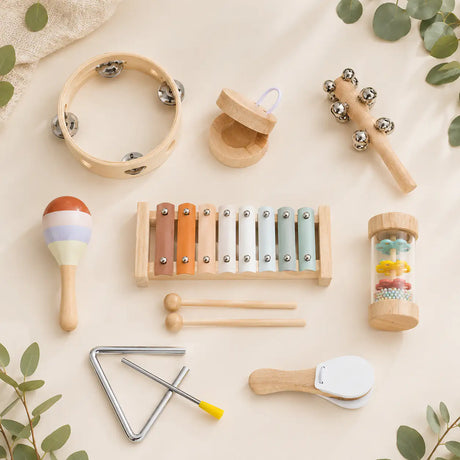
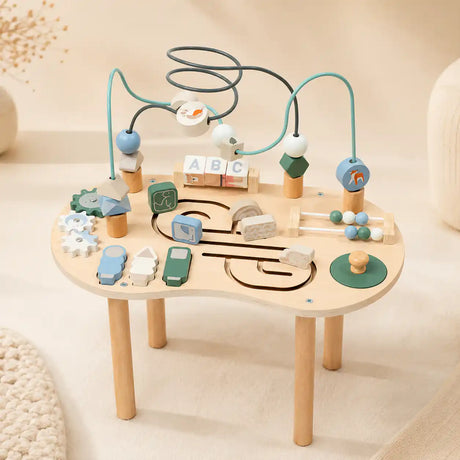
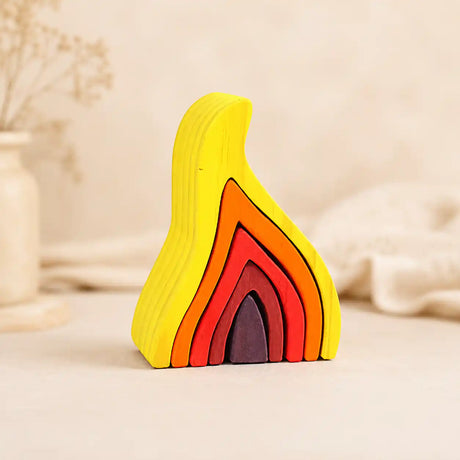
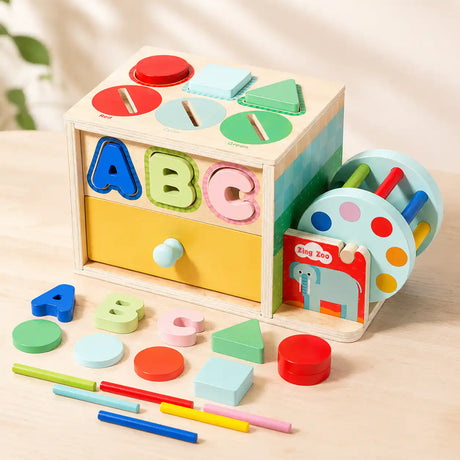
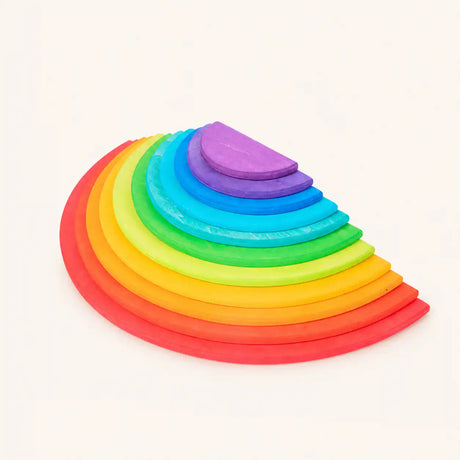
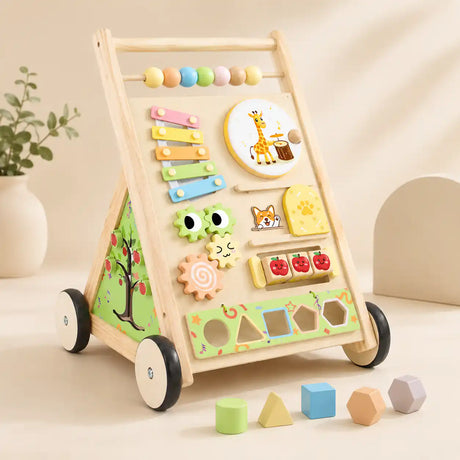
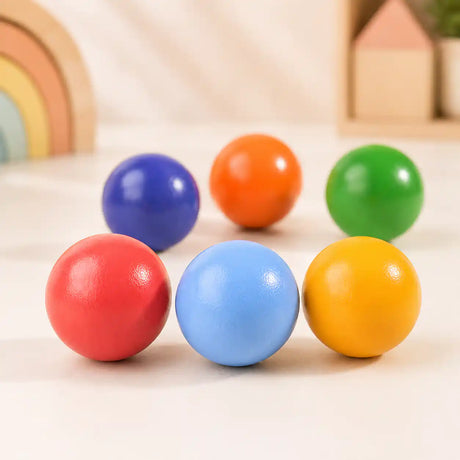
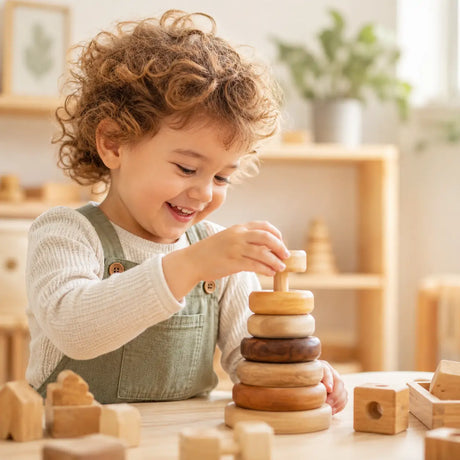
Keep a few open-ended toys within reach so play is the easy default when a toddler is looking for something to do. Think stacking, sorting, threading, and building — activities with no single “right” answer that invite a child to explore, retry, and problem-solve at their own pace. Natural materials like wood tend to hold up to real, repeated play and feel calm in a busy home.
Protecting a little outdoor or floor time each day helps too. Even ten unhurried minutes of building a tower, matching colors, or moving beads along a wire gives small hands the kind of practice that a screen can’t. The goal is simply to make hands-on play the path of least resistance.
This is the thinking behind every toy we curate at JuniSprouts: simple, beautifully made, screen-free tools that support fine motor skills, focus, and imaginative play — and that a child can return to again and again.
The bottom line
Screens aren’t going away, and the research doesn’t ask families to be perfect. But two hours of screens against seven minutes of play is a gap worth closing a little, one small choice at a time. Keeping hands-on, open-ended play within easy reach is one of the gentlest ways to do it — and it happens to be where early learning has always started.
Sources: UCL Centre for Longitudinal Studies, Children of the 2020s (2026); Coral Care national survey (July 2026).