A popular set of children's "talking flashcard" toys has been pulled from the market after federal regulators found they contained lead and phthalate levels above legal limits — a reminder that even bestselling, screen-based learning toys can carry hidden risks. Here's what happened, and a practical checklist for auditing your own toddler's toy bin.
What happened
On February 26, 2026, the U.S. Consumer Product Safety Commission announced a recall of about 4,000 TheKiddoSpace-branded children's flashcard talking toys. According to the CPSC, the toys "contain levels of lead that exceed the federal lead content ban and levels of phthalates that exceed the federal phthalates ban" — substances the agency notes are "toxic if ingested by young children and can cause adverse health issues." The toys also failed a short-circuit protection requirement in the mandatory toy safety standard for battery-operated products.
The recall covers two versions — a pastel, animal-shaped device and a rectangular unit with a card slot and speaker — sold on TheKiddoSpaceStore.com and Amazon from October 2023 through February 2025 for $30 to $50. They were imported by SN Commerce LLC of Dover, Delaware, and manufactured in China. No injuries had been reported. The CPSC advises owners to "stop using the recalled toys immediately, take them away from children," and contact the company for a free replacement.
Why it matters
Lead and phthalates aren't abstract regulatory language — they're two of the most well-documented chemical hazards in children's products. The CDC maintains an ongoing list of toys, cosmetics, and other items recalled for lead precisely because young children explore with their mouths, and even small ingested amounts are a concern for developing bodies.
What makes this recall notable isn't that it's unusual, but that it's routine. It sits alongside a steady stream of 2026 CPSC recalls for children's gear, and it landed on a product marketed as educational. A toy being popular, sold by a major retailer, or labeled as "learning" is not the same as a toy being verified safe.
What this means for parents of toddlers
You don't need to panic-toss the toy bin, but a periodic audit is worth the ten minutes. A few things to check:
First, confirm nothing you own is on the recall list — the CPSC posts every recall at CPSC.gov, and you can sign up for email alerts so you're notified automatically. Second, look at materials and finishes: painted, coated, or soft plastic (vinyl) items are the more common sources of lead and phthalate concerns, especially older or imported novelty toys. Third, favor toys made from simple, verifiable materials, and buy from sellers who can tell you what a toy is actually made of and finished with.
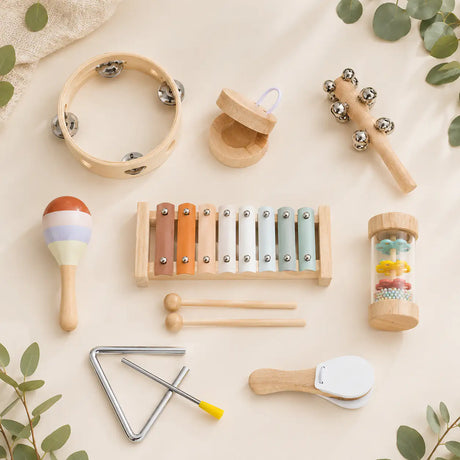
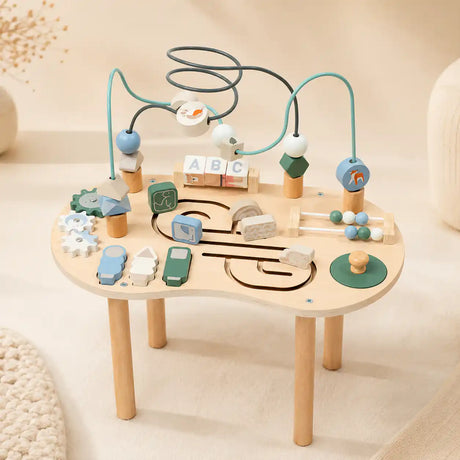
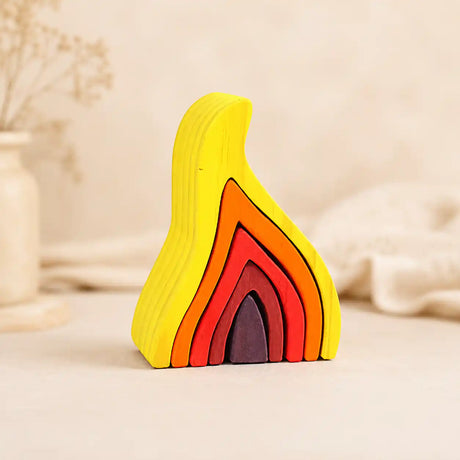
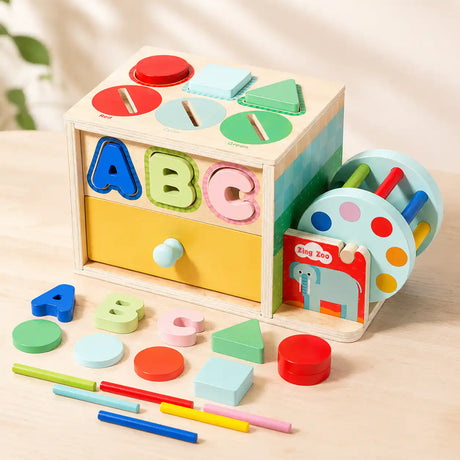
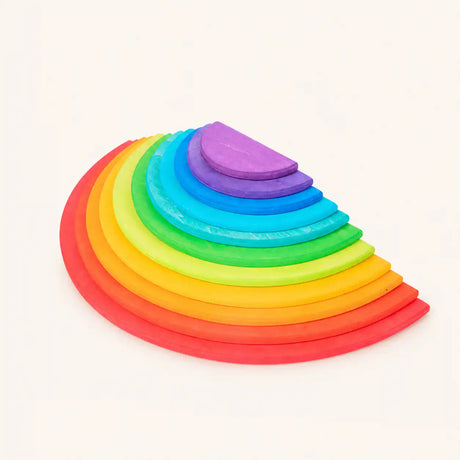
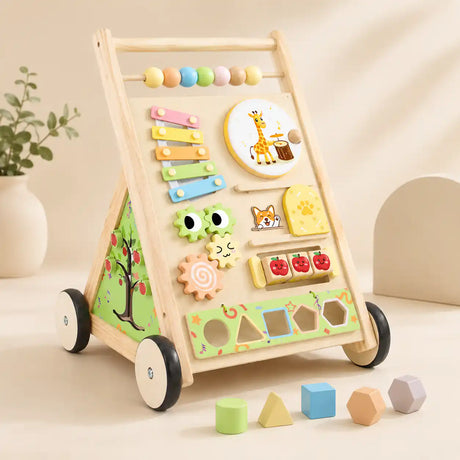
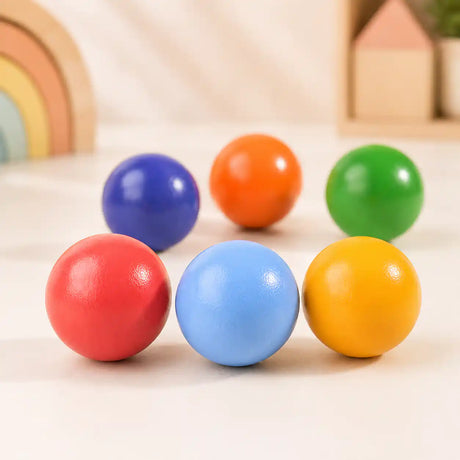
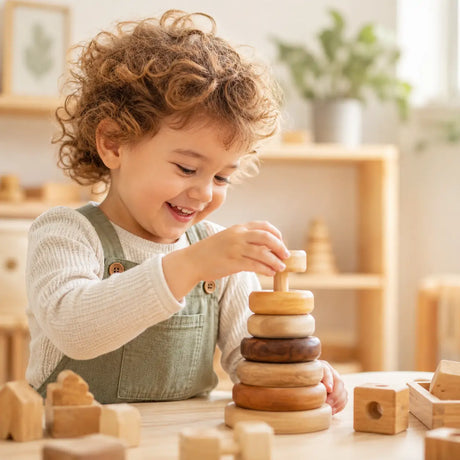
This is a large part of why so many parents gravitate to solid wood toys finished with non-toxic, child-safe coatings. A plain wooden stacker or sorting set has a short, legible ingredient list — wood and a safe finish — with no battery circuit to fail and no soft plastics to worry about. It's not a guarantee on its own, but "fewer materials, clearly disclosed" is a genuinely useful rule of thumb when you're deciding what a one-year-old gets to chew on.
The recalled toys "contain levels of lead that exceed the federal lead content ban and levels of phthalates that exceed the federal phthalates ban. Lead and phthalates are toxic if ingested by young children." — U.S. Consumer Product Safety Commission
The bottom line
Recalls like this one are a prompt, not a scare. Check the CPSC list, keep an eye on painted and plastic novelty items, and lean toward toys whose materials you can actually name. Safe play starts with knowing what's in your child's hands.
If you own a recalled product, follow the remedy instructions on CPSC.gov. This article is general information, not a substitute for guidance from your pediatrician or public health authority.
Sources & further reading
- U.S. CPSC — TheKiddoSpace Children's Flashcard Talking Toys Recalled (lead and phthalate exposure, Feb. 26, 2026)
- American Academy of Pediatrics (HealthyChildren.org) — How to Buy Safe Toys