Children's product recalls have been arriving steadily through 2026, spanning teething toys, baby loungers, car-seat adapters and children's sleepwear. Several were pulled specifically for choking and breathing risks — the exact hazards parents of toddlers watch most closely. The recalls are a hard reminder that “sold on a major retailer” is not the same as “verified safe,” and that a little know-how goes a long way when you're choosing what ends up in small hands.
What happened
Among the 2026 recalls reported this year, a GOPO teething toy was recalled after its silicone strings were found to exceed regulatory length limits and could reach the back of a child's throat — a choking and breathing risk. About 70,000 units were affected, sold on Amazon from August 2023 to March 2026, with three reported incidents involving children and full refunds offered.
Other 2026 recalls hit different corners of the nursery: COOCOOBABY baby loungers were pulled for suffocation and entrapment risk, a Joolz car-seat adapter for a fall hazard, and two lines of children's pajamas — sold via SHEIN and Amazon — for flammability violations that created a burn risk. The U.S. Consumer Product Safety Commission maintains the full, continually updated recall list on its website.
Why it matters
The through-line across these recalls is that hazards often hide in the details: a strap a few millimeters too long, a fabric that doesn't meet flammability rules, a small part that shouldn't be reachable. Many of the products were widely sold through big-name online marketplaces, which is precisely why parents can't outsource safety judgment to the storefront. Recalls also tend to arrive after products are already in homes — sometimes years later — so the more useful protection is knowing what to look for up front.
What this means for parents of toddlers
A few habits do most of the work. Check the CPSC recall list before and after a big purchase, and register products so you're notified directly. When you're evaluating a toy for a one- to three-year-old, look hard at the things that recalls keep flagging: parts small enough to fit through a toilet-paper tube (a choking risk), long cords or straps, button batteries, and anything that could splinter or shed pieces.
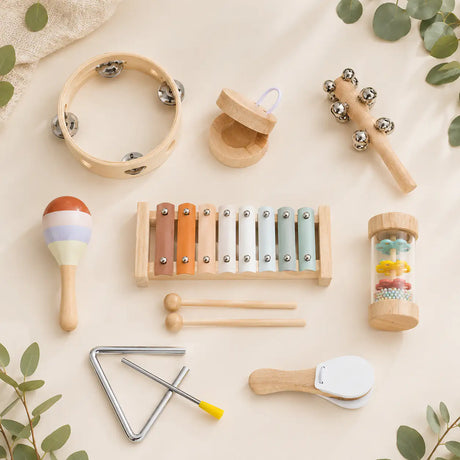
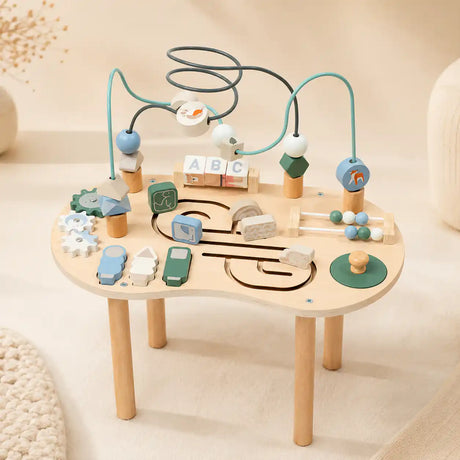
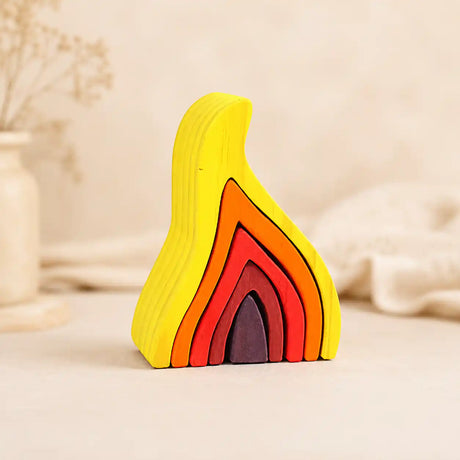
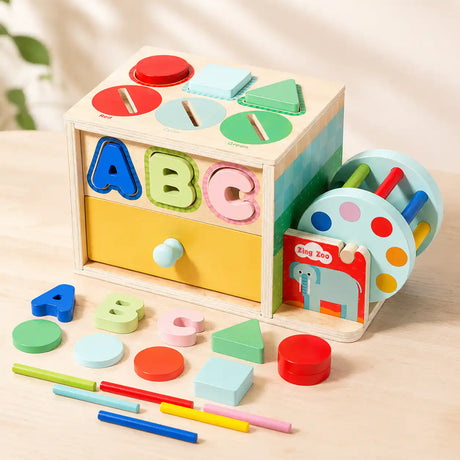
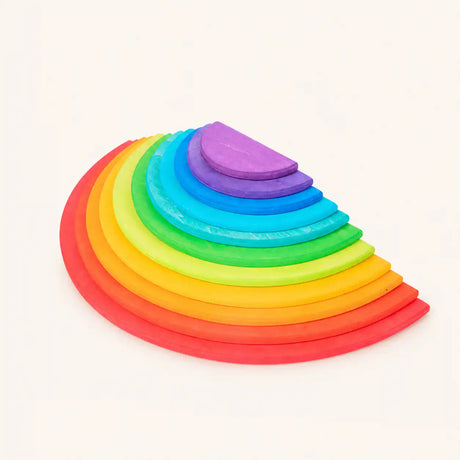
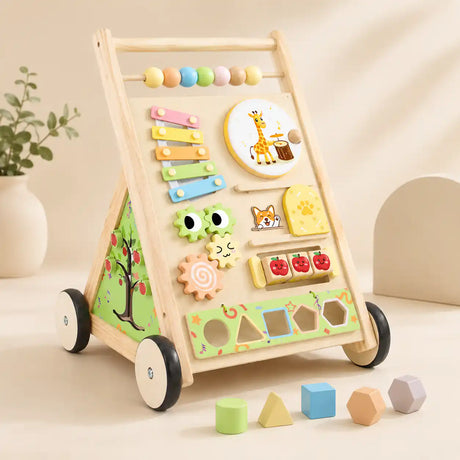
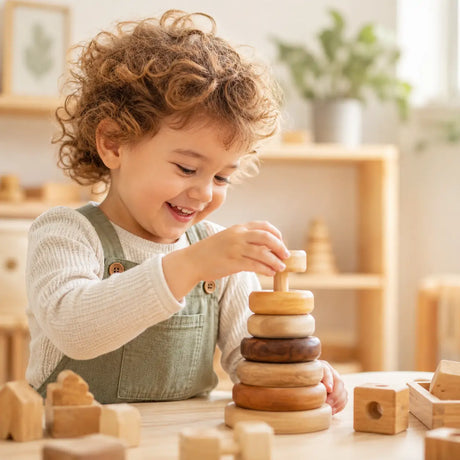
This is also where well-made toys earn their keep. A solid, one-piece wooden stacker or sorter has no batteries to ingest, no long cords, and no electronics to fail — though “wooden” alone is never a safety guarantee. What matters is construction and age-grading: look for sturdy joinery, non-toxic finishes, clearly stated age recommendations, and — where a seller provides it — U.S. safety certification such as a Children's Product Certificate. If durability is your priority, our wooden toys and Waldorf & heirloom toys are built to be handled hard. As always, keep small-part toys away from children who still mouth objects, and supervise play.
A GOPO teething toy was recalled over silicone strings that could reach the back of a child's throat — roughly 70,000 units, three reported incidents. — via 2026 recall reporting
The bottom line
Recalls aren't a reason to panic; they're a reason to shop deliberately. Favor simple, well-constructed toys with clear age guidance, keep an eye on the CPSC list, and trust the tug-a-tube test over the marketing copy. A safe toy shelf is built one careful choice at a time — and 2026's recall run is a good prompt to look again at what's already on yours.