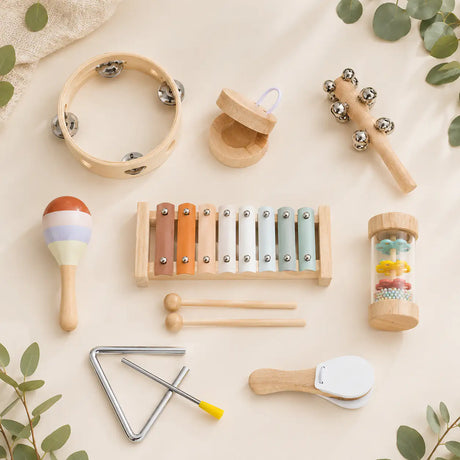
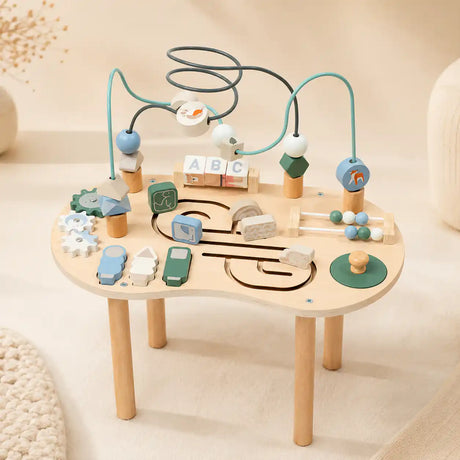
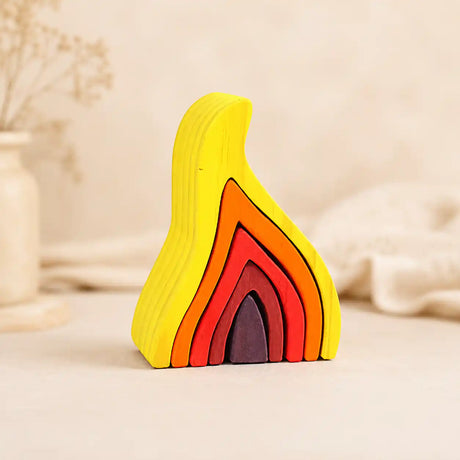
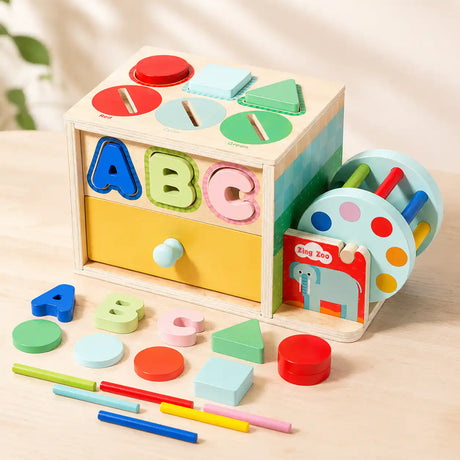
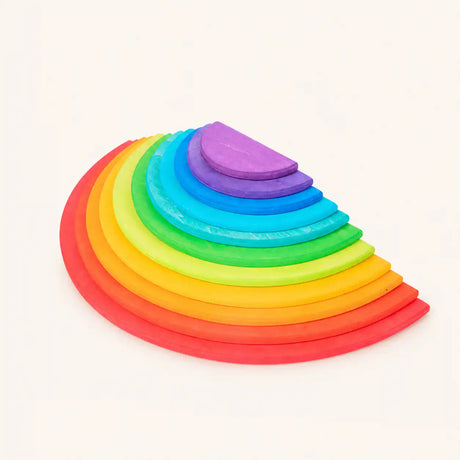
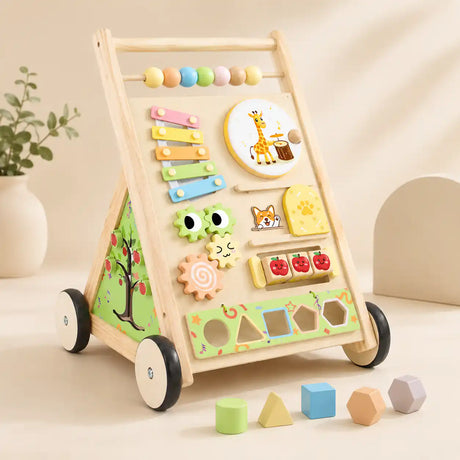
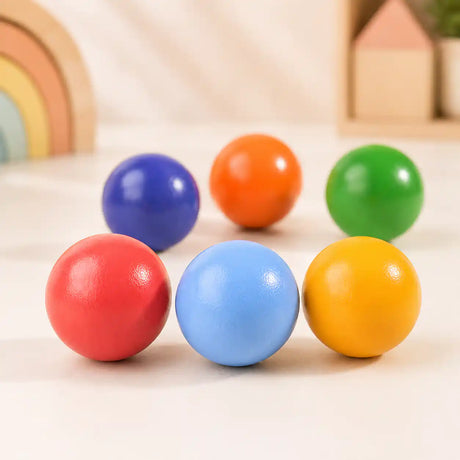
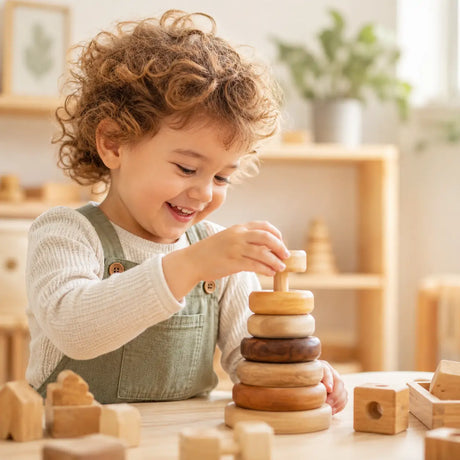
The defining toy trend of 2026 isn't a product — it's a subtraction. Across parenting circles, families are pulling back from bins of loud, light-up, single-use toys and reaching instead for a smaller number of open-ended, natural-material pieces meant to last for years. Call it the "calm play" movement, and it's reshaping what ends up in the toddler playroom.
What happened
In a January 2026 look at where children's play is heading, retailer The Curated Parcel described sensory and open-ended play as having moved "from a passing parenting trend" to "a cornerstone of modern childhood, supported by research, embraced by educators, and actively sought out by parents." The through-line the piece identifies is a reaction against overstimulation: "Parents in 2026 are actively moving away from overstimulating toys and toward open-ended sensory toys that encourage imagination rather than dictate it."
That shift comes bundled with a values change around consumption. "Parents in 2026 are consciously choosing fewer toys, better quality, and lower waste," the analysis notes, with durable natural materials — "wood, fabric, felt, stone" — favored precisely because they're long-lasting and reusable rather than "disposable novelty."
Why it matters
For years, the toy aisle rewarded more: more buttons, more sounds, more flashing feedback. The 2026 reframe questions whether any of that served the child. Open-ended toys — the kind with no fixed outcome and no "correct" way to play — put the child in charge of the activity, which is exactly what supports independence, creativity, and sustained focus.
There's a sustainability logic layered on top. A well-made wooden toy that survives three children is both a developmental choice and an environmental one, which is part of why "fewer, better" resonates with a generation of parents who treat eco-conscious buying as a default rather than an add-on.
What this means for parents of toddlers
If you're trying to act on the trend without overthinking it, a genuinely open-ended toy tends to clear three bars: it can be used in more than one way with no single right answer, it's made from natural or high-quality materials, and it supports a clear developmental skill — stacking, sorting, balancing, early counting. Toys that hit all three get played with again and again, which is the whole point of buying fewer of them.
This is the logic behind a curated, Montessori-inspired approach: rather than a wall of options, a small, deliberate shelf of wooden toys — a stacker, a set of animals for imaginative play, a sorting board — each chosen for real developmental purpose and made to be returned to for years. Curating "one by one," instead of buying by the bulk bin, is itself the 2026 trend in miniature.
"Parents in 2026 are consciously choosing fewer toys, better quality, and lower waste." — The Curated Parcel, "Why Sensory Play Is Staying in 2026"
The bottom line
The playroom of 2026 is quieter and more intentional than the one that came before it. Fewer toys, chosen well, played with deeply — that's where families are heading, and it's a shift that happens to be as good for the planet as it is for the child.