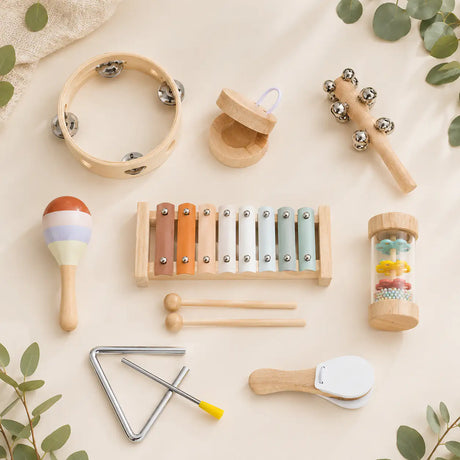
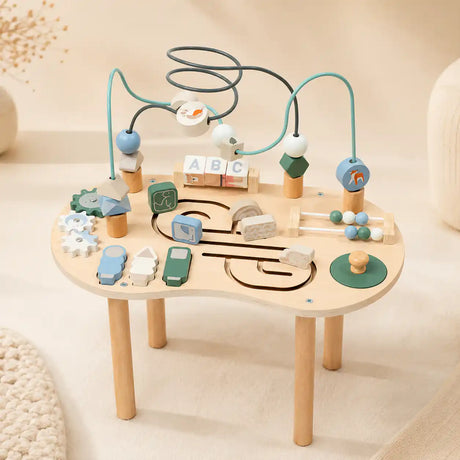
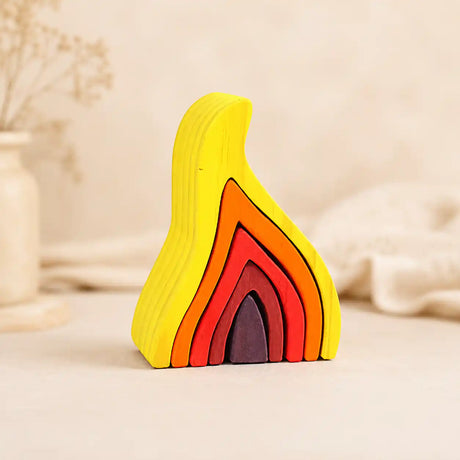
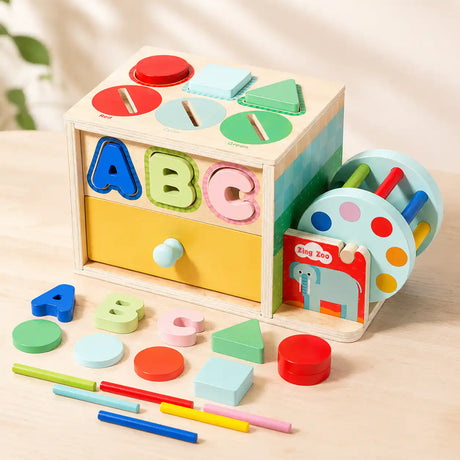
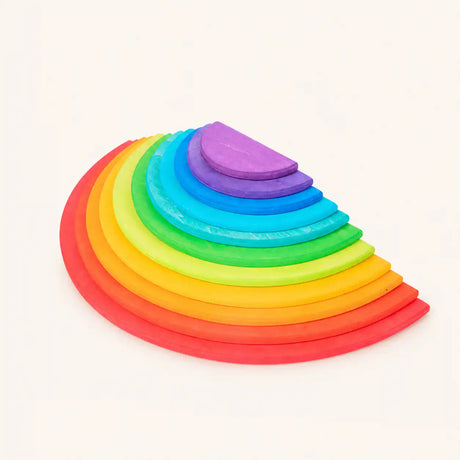
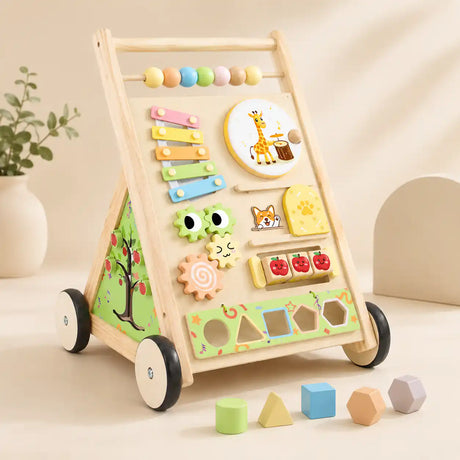
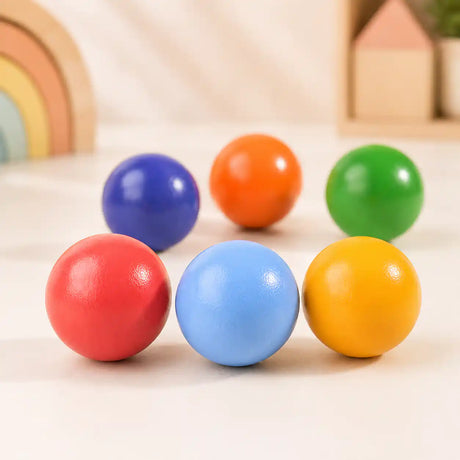
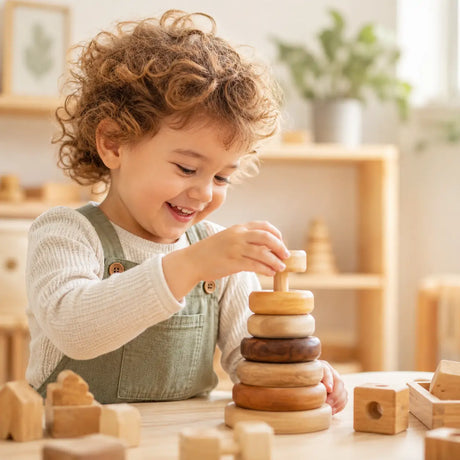
The plastic, light-up, battery-powered toy isn't disappearing — but in 2026 it's increasingly sharing the nursery with something quieter. Wooden, Montessori-style toys have moved from niche to mainstream, and recent reporting on the trend helps explain why a category built on simplicity is outselling far flashier competitors.
What happened
In a 2026 feature on why Montessori-style wooden toys are popular right now, Inc. reported that a new generation of younger parents is deliberately steering toward natural materials — partly out of environmental concern, and partly because these toys, as the piece put it, “age beautifully,” with a single wooden set capable of passing from child to child for a decade. The appeal, the reporting noted, is that wooden toys tend to be “quieter, more sensory, and open-ended in a way most plastic toys are not.”
That matches what parenting guides have been documenting all year. Roundups like The Good Trade's 2026 Montessori toy guide keep returning to the same defining traits: open-ended use with no single “correct” outcome, natural or high-quality materials, and a clear developmental purpose behind each toy.
Why it matters
The shift is more than aesthetic. Market analysts tracking sustainable and eco-friendly toys describe the 3-to-5-year-old segment as a growth driver, fuelled by parents spending on learning-oriented toys and increasingly weighing materials and safety in their choices. In other words, “made of wood” has stopped being a design quirk and become a purchasing filter — one tied to how long a toy lasts, what it's finished with, and whether it earns its place on the shelf.
It also dovetails with a broader unease about screens and over-stimulation in early childhood. A toy that does only one thing, and waits for a child to bring the imagination, is a deliberate counterweight to media that does everything for them.
What this means for parents
The trend is real, but “wooden” alone isn't a guarantee of quality — and the surge has pulled in plenty of lookalikes. If you're buying into the category, the reporting points to a simple test: does the toy have open-ended use, genuinely natural or high-quality materials, and one clear skill it's helping to build? Premium open-ended pieces — stacking arches, blocks, climbers — cost more up front, but the case for them is longevity: they carry a child across several developmental stages and often across siblings, which is the whole point of buying fewer, better things.
Practically, that means resisting the urge to fill a shelf. A small, well-chosen rotation of durable wooden toys tends to hold a toddler's attention longer than a bin overflowing with plastic — and it looks like something you're happy to leave out in a shared living room.
Wooden toys “age beautifully — the same wooden xylophone can pass from child to child for a decade.” — as reported by Inc.
The bottom line
The move toward wooden, open-ended toys isn't a passing style; it's parents optimizing for durability, materials, and calmer play at the same time. The winners in this category won't be the cheapest or the most feature-packed — they'll be the simplest ones built to last. Buy for the decade, not the unboxing.