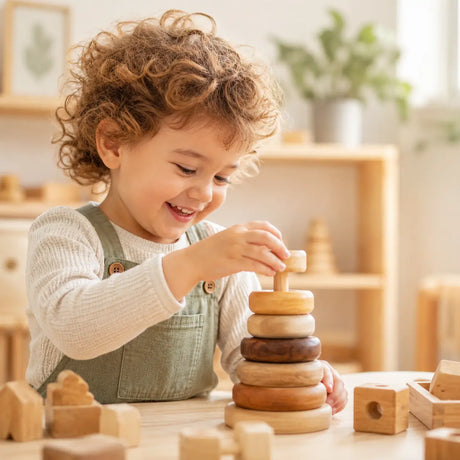
Physical skills toys help toddlers strengthen their bodies and hands through play. This collection brings together our wooden Montessori toys that build fine motor control, hand-eye coordination, balance, grasping, and sensory exploration — the foundations for everything from holding a crayon to climbing stairs.
 1 year30% off
-
1 year31% off
-
1 year31% off
-
1 year29% off
-
1 year30% off
-
1 year30% off
-
2-3 year31% off
-
3-4+ year31% off
-
1-2 year31% off
-
1 year30% off
-
1 year30% off
-
2-3 year31% off
-
1-2 year31% off
-
1-2 year30% off
-
1-2 year30% off
-
1 year30% off
-
2-3 year30% off
-
2-3 year31% off
-
3-4+ year30% off
-
2-3 year29% off
-
2-3 year29% off
-
2-3 year30% off
-
1-2 year30% off
-
1 year30% off























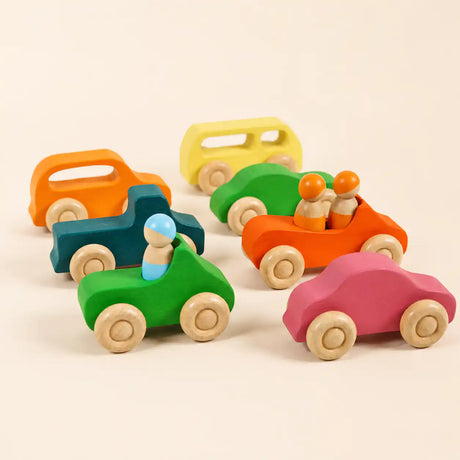

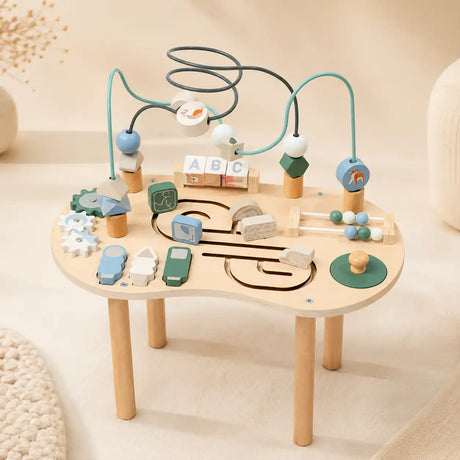

Fine Motor and Beyond
Physical development in early childhood runs on two tracks. Gross motor covers the large movements — walking, pushing, carrying. Fine motor covers the small ones — pinching, threading, placing. Both need practice, and both are built through play rather than instruction.
- Grasp and release — the earliest hand control, refined into a pincer grip
- Hand-eye coordination — guiding a hand precisely to where the eye is looking
- Balance and stability — controlling the body and steady placement of objects
- Sensory processing — making sense of weight, texture, and resistance
What's in This Collection
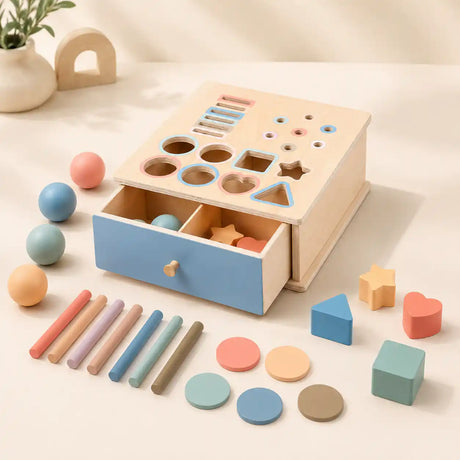
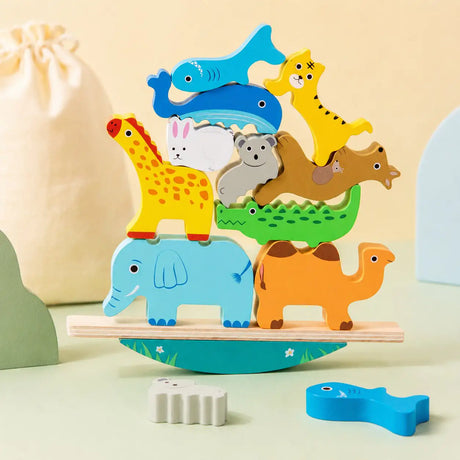
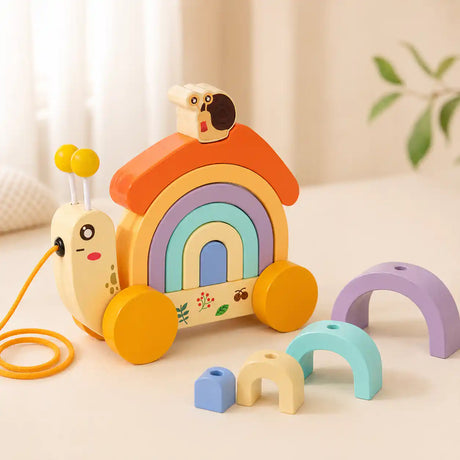
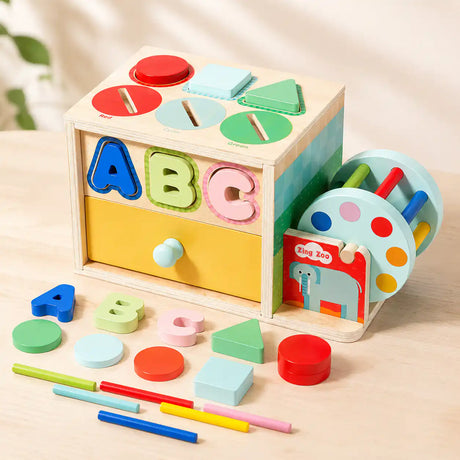
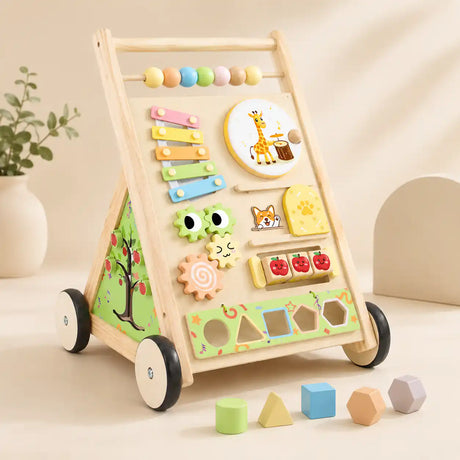
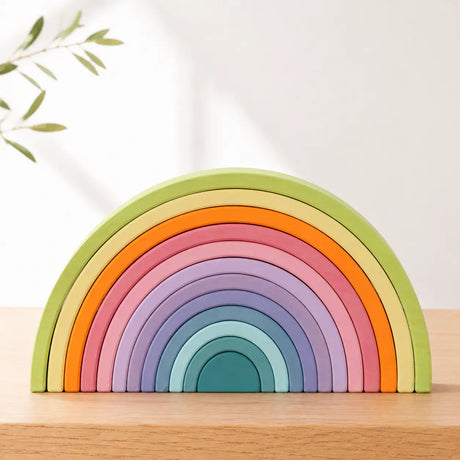
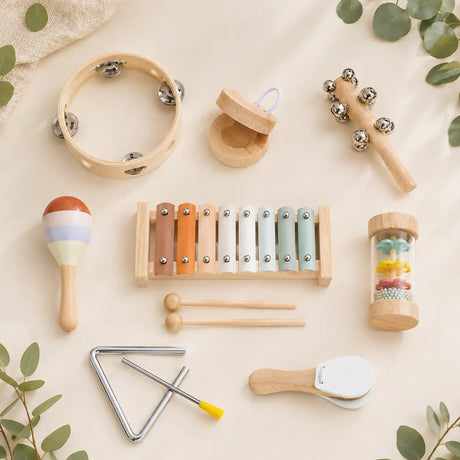
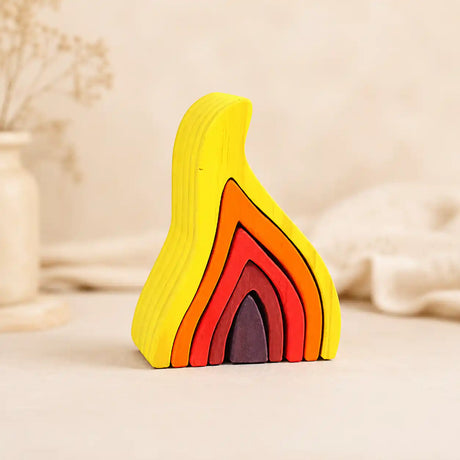
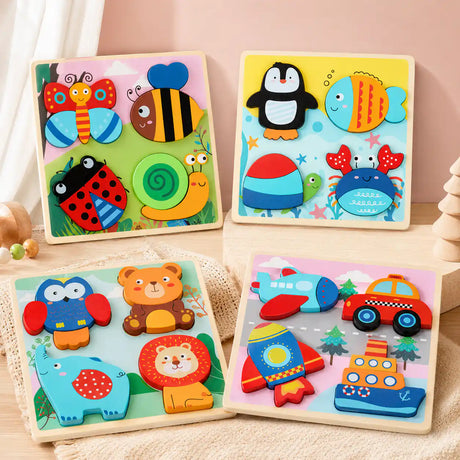
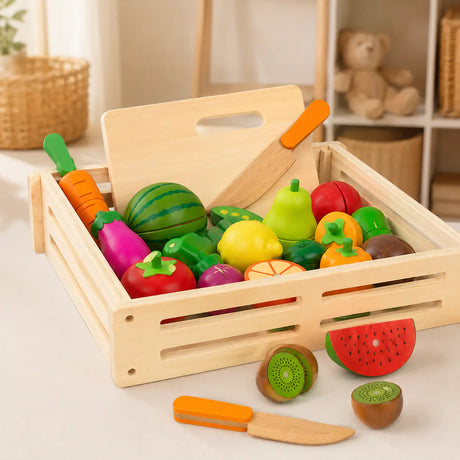
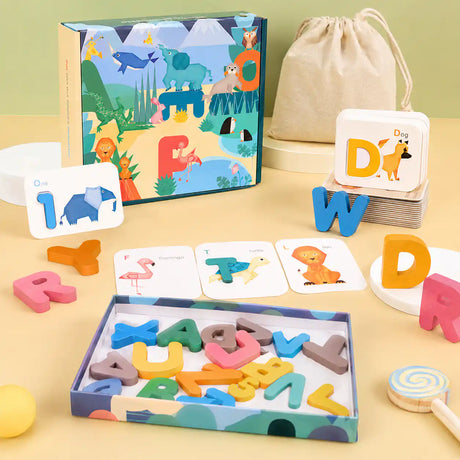
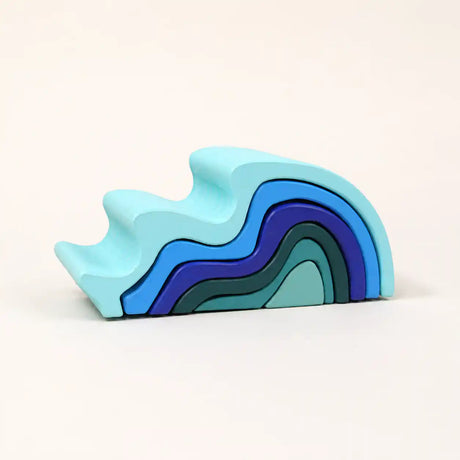
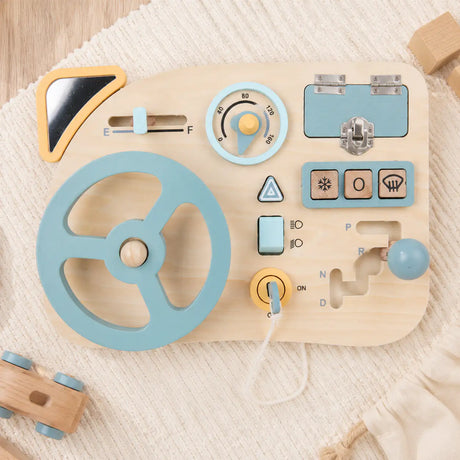
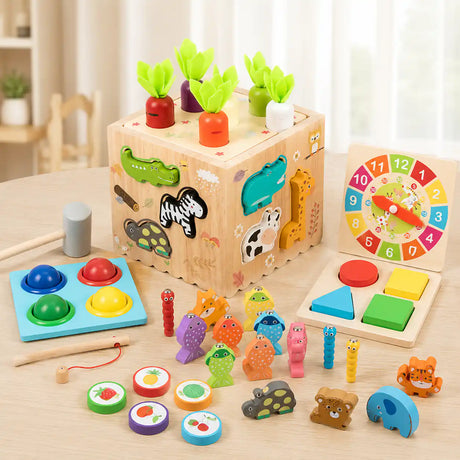
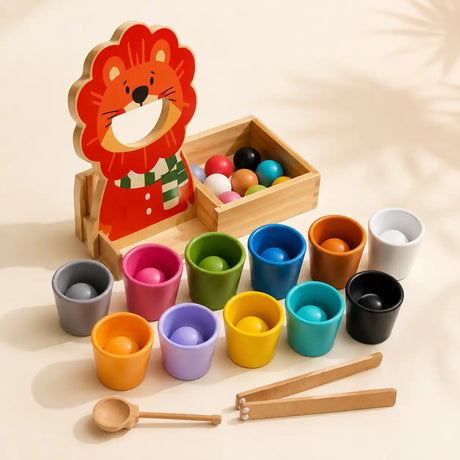
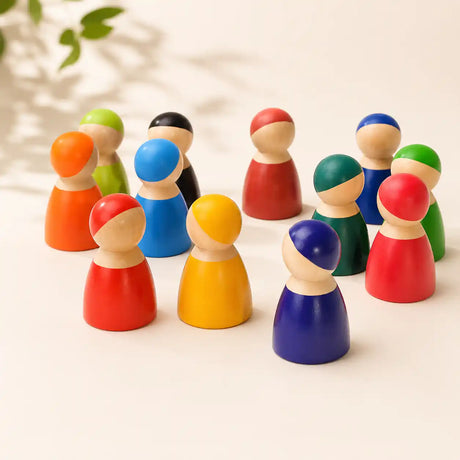
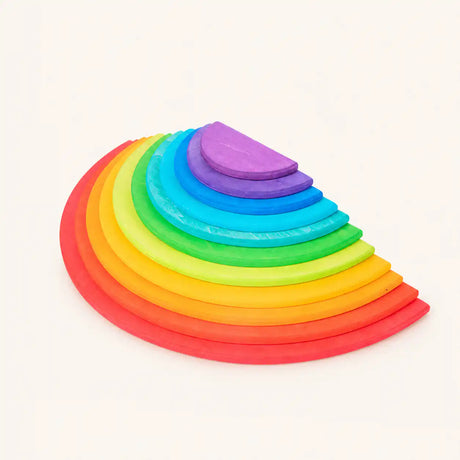
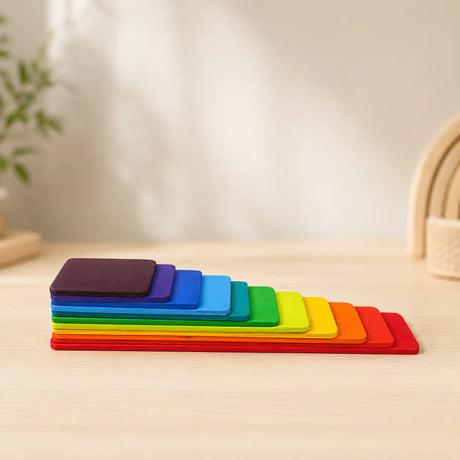
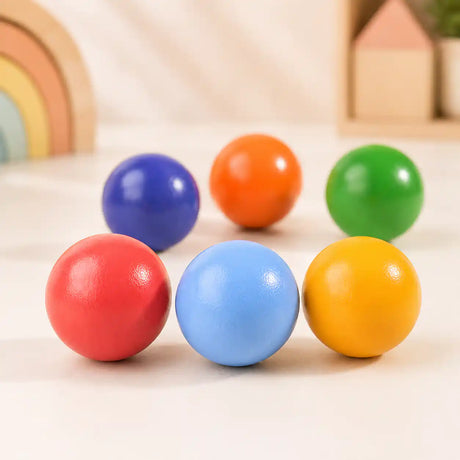
Stacking toys, balancing sets, busy boards, threading and lacing activities, push-along toys, and sensory play pieces — natural wood, screen-free, and designed to grow with children roughly one to four.
Physical Skills Questions
What is the difference between fine and gross motor skills?
Gross motor uses the large muscles — walking, running, climbing, pushing a walker. Fine motor uses the small muscles of the hands and fingers — threading a bead, turning a latch, holding a pencil. Both develop in parallel through the toddler years.
How can I help my toddler's fine motor development?
Give them activities with a small, repeatable hand movement and a clear result — threading, posting, stacking, sorting. Everyday tasks count too: pouring their own water, using a spoon, pulling up a zip. Doing it slowly themselves beats having it done for them.
When should I be concerned about motor development?
Developmental ranges are wide, and children vary. That said, if your child isn't meeting milestones within the expected windows, or if you notice a regression in a skill they had, it's worth raising with your pediatrician. Early support is straightforward and effective.
Do these toys help with pencil grip?
Indirectly, and that's the right order. Pencil grip depends on hand strength and finger control that build first through pinching, threading, and manipulating small objects. Practicing those makes writing easier later far more effectively than practicing writing early.
Are these suitable for occupational therapy at home?
Many families use toys like these alongside OT, and hands-on repetition is generally encouraged. Choose by the specific skill being worked on rather than by age, and check with your child's therapist about which activities suit their plan.
Adult supervision is recommended. Many toys contain small parts; see each product page for age guidance.
Read more about Physical Skills Show less
You May Also Like
View all-
1 year30% off
-
1 year31% off
-
1 year29% off
-
1 year31% off
-
1 year30% off
-
2-3 year31% off
-
1 year30% off
-
3-4+ year31% off
-
2-3 year31% off
-
1-2 year30% off