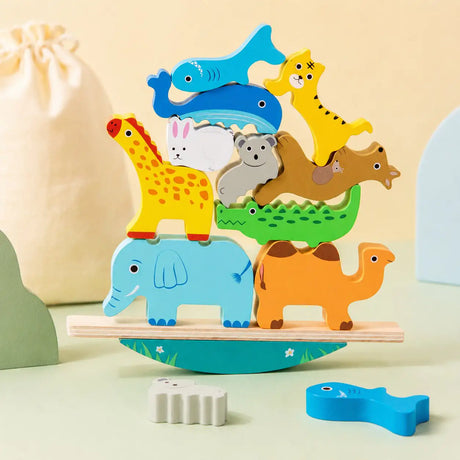
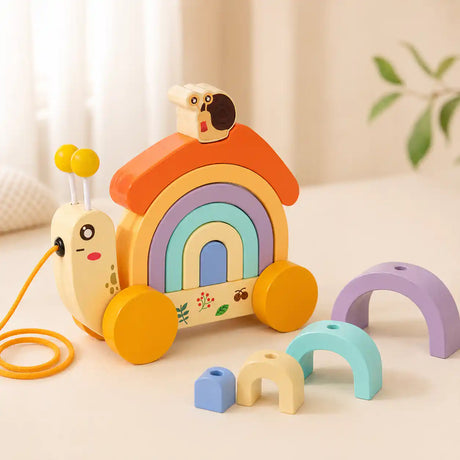
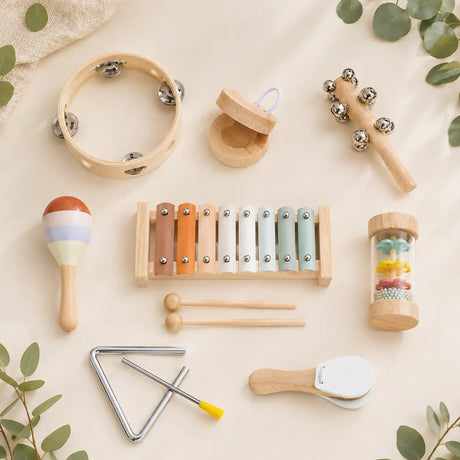
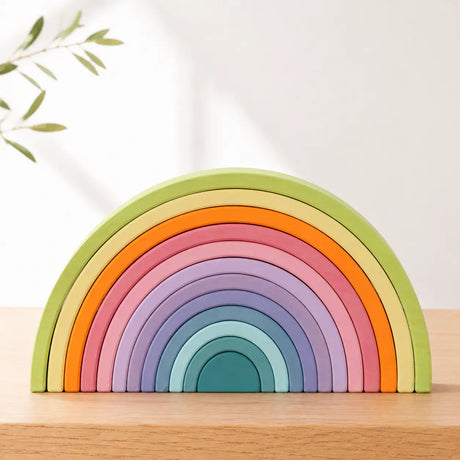
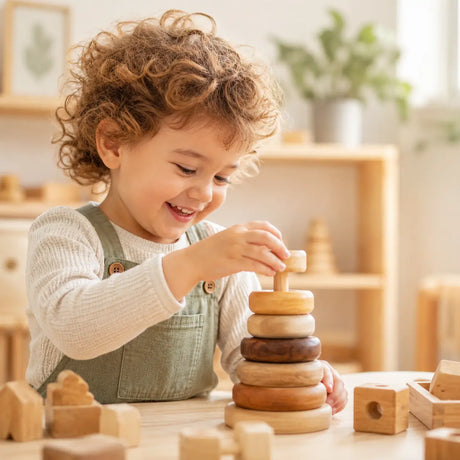
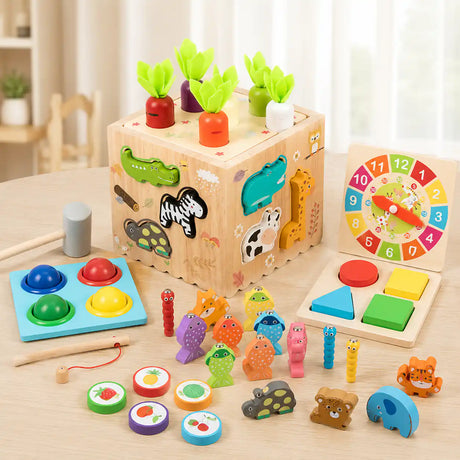
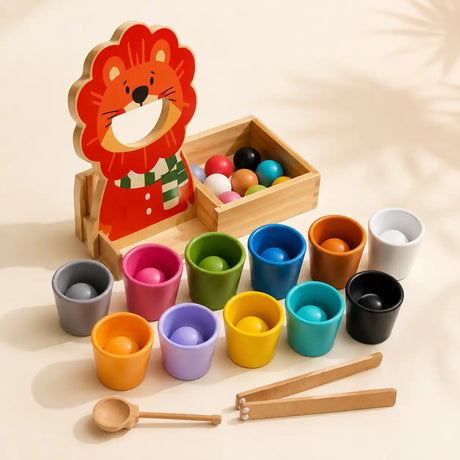
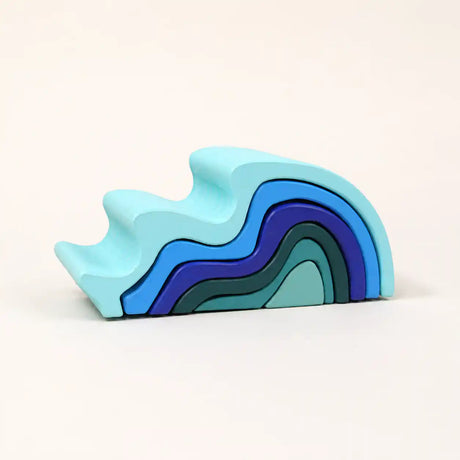
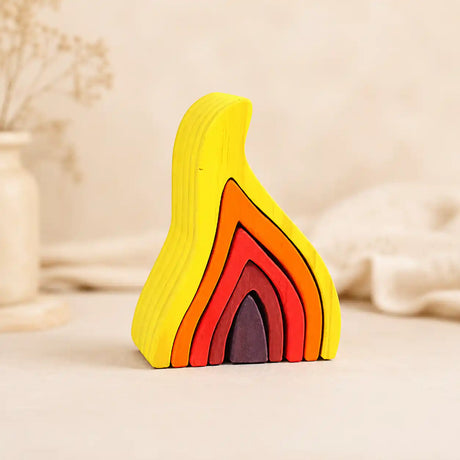
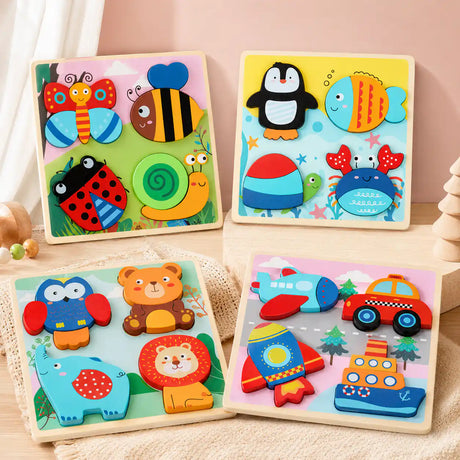
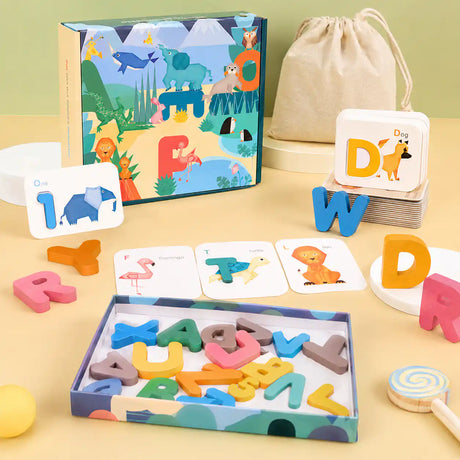
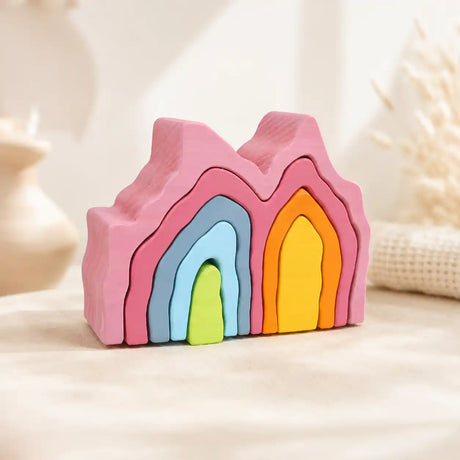
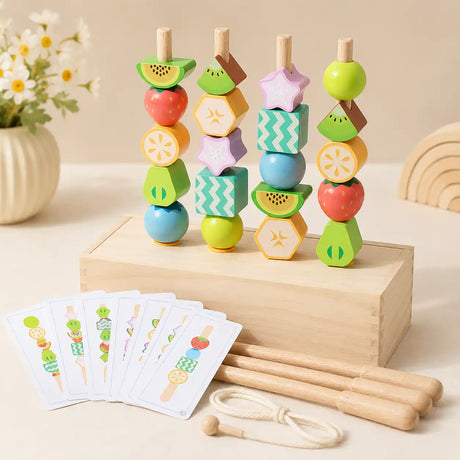
Cognitive skills toys help young children learn to think, reason, and solve problems. This collection gathers our wooden Montessori toys that develop problem solving, sorting and matching, cause and effect, counting, early literacy, and focus — the thinking skills that set the stage for school and beyond.
 1 year30% off
-
1 year29% off
-
1 year30% off
-
1-2 year30% off
-
1 year30% off
-
2-3 year31% off
-
2-3 year30% off
-
3-4+ year31% off
-
1-2 year31% off
-
1 year30% off
-
2-3 year29% off
-
2-3 year31% off
-
1-2 year31% off
-
2-3 year30% off
-
1-2 year30% off
-
2-3 year31% off
-
2-3 year33% off
-
2-3 year29% off
-
1 year30% off
-
2-3 year31% off
-
3-4+ year29% off
-
3-4+ year27% off
-
2-3 year30% off
-
2-3 year30% off





















What Cognitive Development Looks Like
Cognitive skills are the mental tools a child uses to make sense of things: noticing patterns, holding information in mind, working out why something happened, and adjusting when a first attempt fails. They develop through doing, not through being told.
- Problem solving — trying, failing, and trying differently
- Classification — grouping by color, shape, size, or kind
- Working memory — holding a plan in mind while carrying it out
- Attention and focus — staying with a task through the difficult middle
What's in This Collection
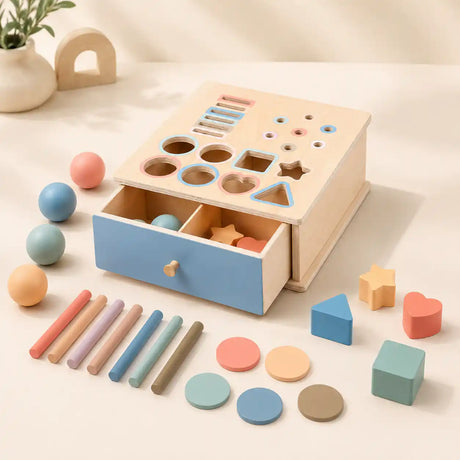
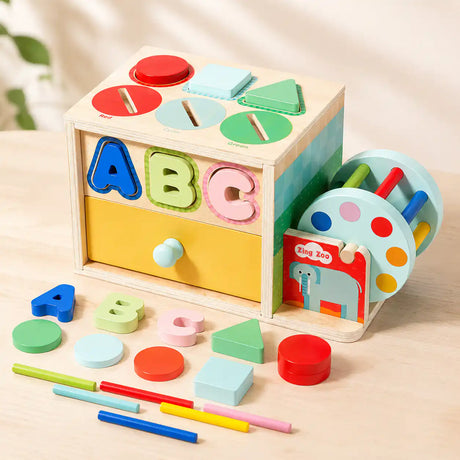
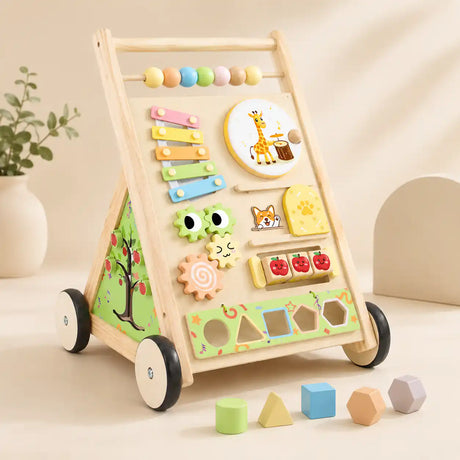
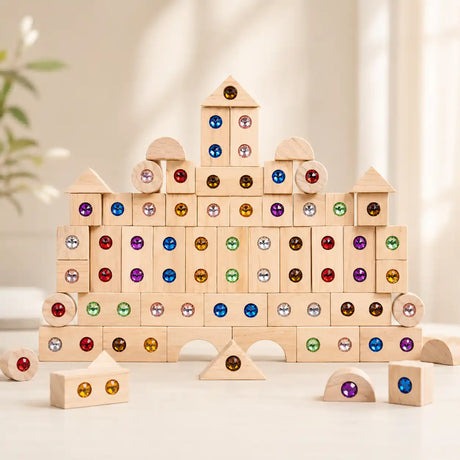
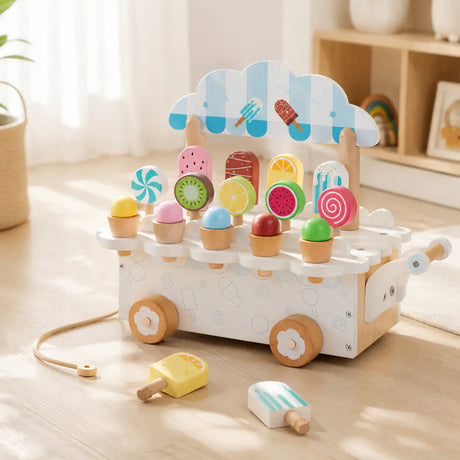
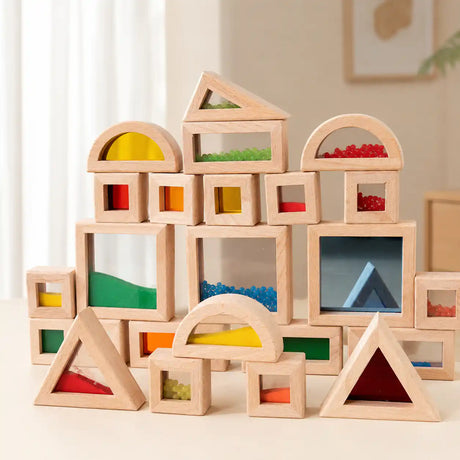
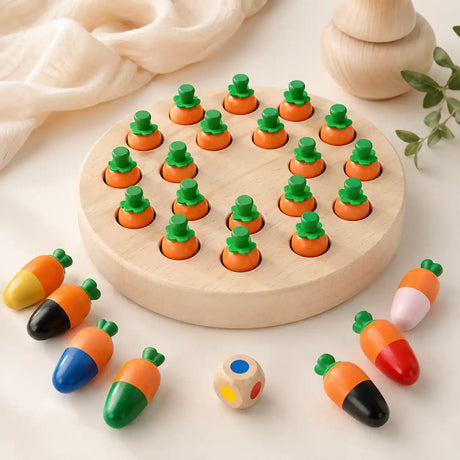
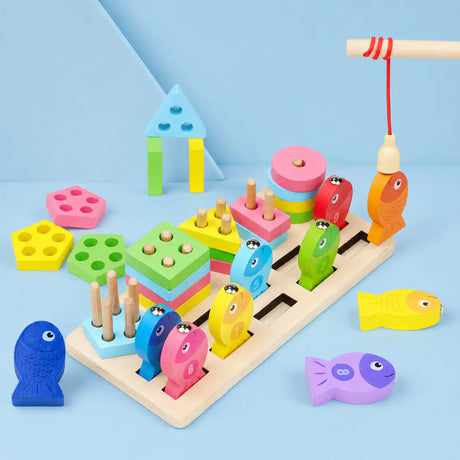
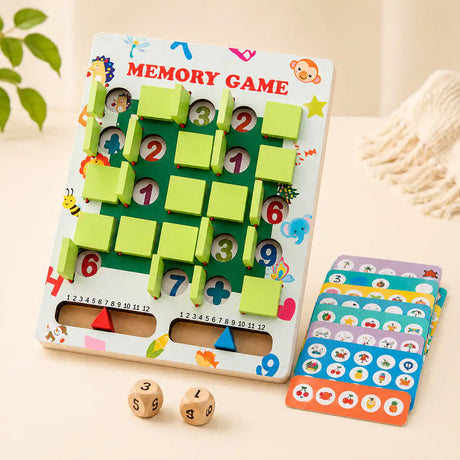
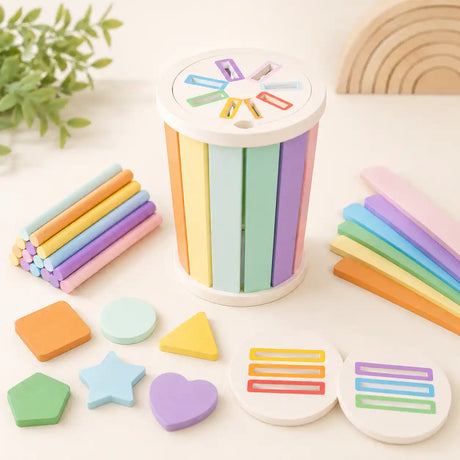
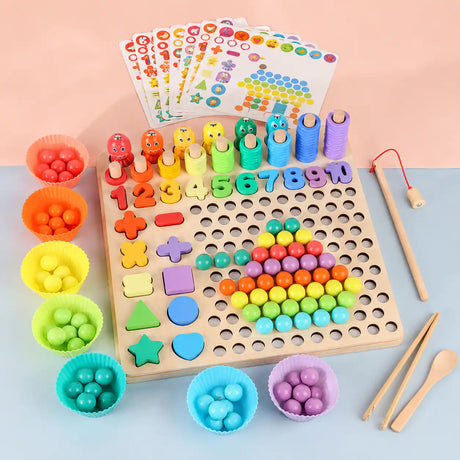
Shape sorters, sorting trays, counting and math toys, puzzles, pattern boards, memory games, and alphabet sets — all natural wood, screen-free, and open-ended, for curious minds roughly one to four.
Cognitive Skills Questions
What are cognitive skills in early childhood?
The mental processes behind learning — attention, memory, reasoning, problem solving, and classification. In practice they show up as a toddler working out which shape fits which hole, or remembering where a piece went last time.
How do toys support cognitive development?
Good ones create a manageable problem and give honest feedback. A shape sorter doesn't tell a child they're wrong; the piece simply doesn't go in. That loop — attempt, feedback, adjust — is cognitive development happening in real time.
What's the difference between cognitive and physical skills toys?
Cognitive toys emphasize thinking: sorting, matching, sequencing, remembering. Physical toys emphasize the body: grip, coordination, balance. Most good toys do both, and we've listed several in both collections for that reason.
How can I tell if a toy is too advanced?
Watch what happens after the first failure. A child at the right level tries again; a child out of their depth walks away. Frustration is part of learning, but sustained frustration with no success isn't.
Do these toys make children smarter?
We'd be careful with that claim, and we won't make it. What good toys reliably do is give children practice at thinking things through, plus the patience and confidence that come from working something out unaided. That's worth a great deal without needing to be dressed up as raising intelligence.
Adult supervision is recommended. Many toys contain small parts; see each product page for age guidance.
Read more about Cognitive Skills Show less
You May Also Like
View all-
1 year30% off
-
1 year31% off
-
1 year29% off
-
1 year31% off
-
1 year30% off
-
2-3 year31% off
-
1 year30% off
-
3-4+ year31% off
-
2-3 year31% off
-
1-2 year30% off