A new study following 502 children from infancy into middle childhood has found that more screen time in the earliest years is associated with weaker memory and poorer school performance years down the line — and that age 1 appears to be the most sensitive window of all.
What happened
Research teams from Inserm in France and the National University of Singapore tracked screen viewing time across early childhood and then measured how the same children performed later on. Higher screen use during infancy and again around age 6, when children start formal schooling, was linked to poorer academic performance at age 9 and weaker working memory at age 10.5. The findings were published online April 9, 2026 in the World Journal of Pediatrics.
The strongest effects showed up at the very beginning. "The effect sizes we saw at age 1 were the largest among all time points we examined," the authors wrote. "That suggests early infancy may be a window of heightened sensitivity, when the developing brain is particularly vulnerable to the displacement of learning interactions by screen time."
That word — displacement — is the heart of it. The concern the researchers raise is not screens as a mysterious toxin, but screens crowding out the hands-on, back-and-forth interactions that a baby's brain is built to learn from.
Why it matters
Screen-time guidance for young children is not new, but a long-run study that ties infancy specifically to measurable memory and learning outcomes a decade later gives parents something more concrete than a general caution. It reframes the question from "how much screen time is too much?" to "what is the screen replacing?"
For a one- or two-year-old, the answer is usually the richest learning tool they have: an object in their hands, and an adult nearby to share the moment.
What this means for parents
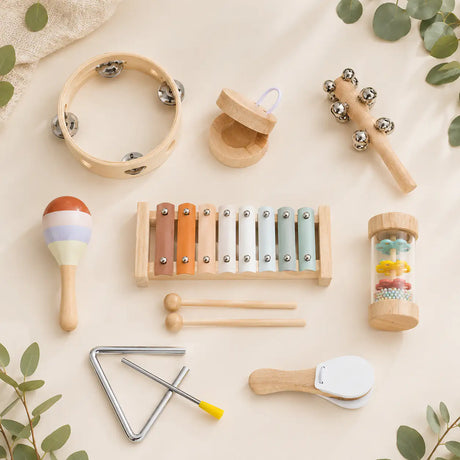
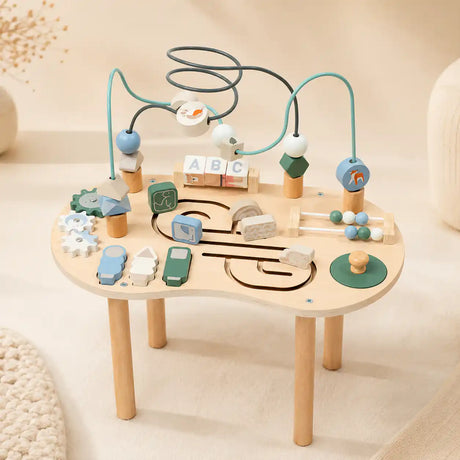
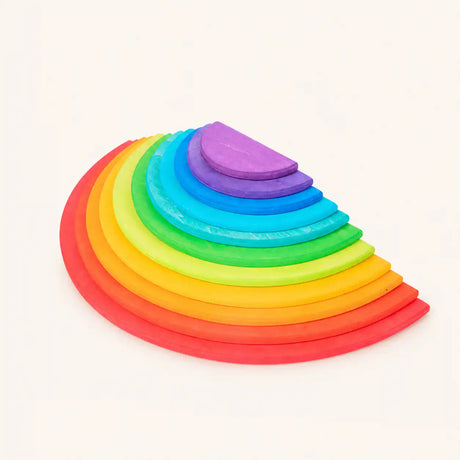
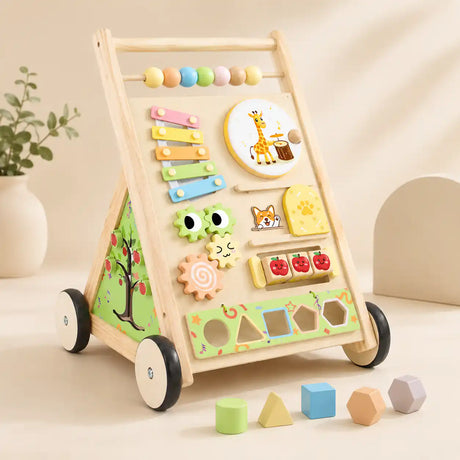
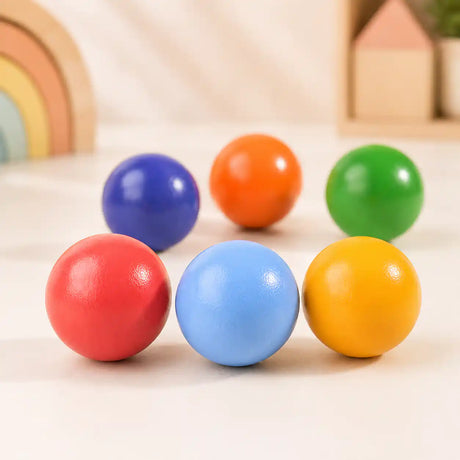
The encouraging takeaway is that the alternative to a screen is simple, and it's already sitting on the playroom floor. The kind of play the researchers describe as being displaced — reaching, grasping, stacking, sorting, noticing what happened and trying again — is exactly what open-ended, hands-on toys are designed to support.
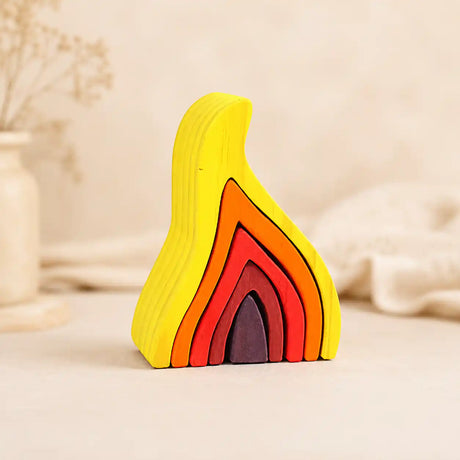
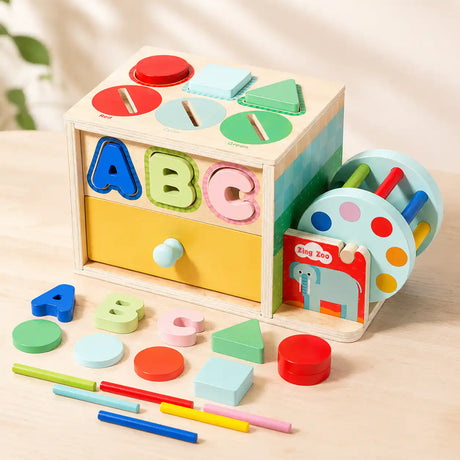
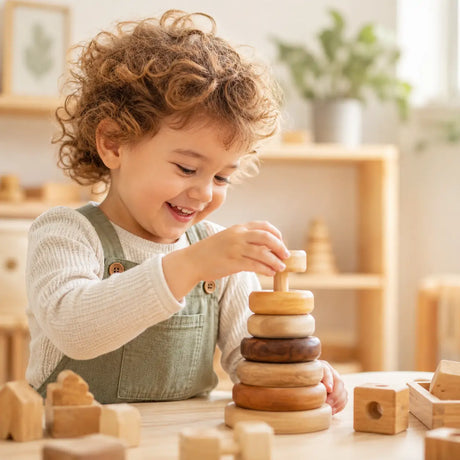
A wooden stacker or a shape sorter asks a toddler to do the very things a screen does for them: make something happen, watch the result, adjust. There's no autoplay, no next episode. The child sets the pace, and an adult can sit alongside and narrate, which is where a lot of early language and memory-building actually happens.
None of this requires an elaborate setup. A small, well-chosen basket of tactile toys within reach — and a few unhurried minutes together — is the practical version of what this research points toward.
"Early infancy may be a window of heightened sensitivity, when the developing brain is particularly vulnerable to the displacement of learning interactions by screen time." — study authors, World Journal of Pediatrics
The bottom line
The findings don't demand perfection, and no single choice determines how a child turns out. But the research is a quiet vote of confidence in the oldest form of learning there is: a curious child, something real in their hands, and someone paying attention. That's the kind of play worth protecting a little space for.