A teaching method that's more than a century old just cleared the highest bar in education research. The first randomized controlled trial of public Montessori preschool has found that children who attended outperformed their peers on reading, memory, executive function, and social understanding — and that the gains held up rather than fading over time.
What happened
The study, published in the Proceedings of the National Academy of Sciences, followed 588 children across 24 public Montessori programs nationwide, in a design where families were assigned by lottery — the gold standard for separating a program's real effect from the head start families might bring. Researchers from the University of Virginia, the University of Pennsylvania, and the American Institutes for Research led the work.
By the end of kindergarten, the Montessori group came out ahead across reading, memory, executive function, and social understanding. The strongest gains appeared among lower-income children, but children from every background benefited. And the effects persisted — one of the hardest things for any early-education program to achieve.
There was a financial finding, too: the Montessori programs cost roughly $13,000 less per child over three years than traditional preschool.
"These findings affirm what Maria Montessori believed over a century ago — that when we trust children to learn with purpose and curiosity, they thrive," said Angeline Lillard of the University of Virginia, one of the study's authors.
Why it matters
Montessori has never lacked devoted parents, but it has often lacked the kind of rigorous, randomized evidence that skeptics ask for. This trial supplies exactly that. It moves the conversation from "Montessori families love it" to "a controlled study found it works — and works most for the children who need it most."
The mechanism the researchers point to isn't a secret curriculum. It's the core Montessori bet: give children real, purposeful materials, trust them to work at their own pace, and let concentration and curiosity do the rest.
What this means for parents
Most families won't relocate to enroll in a public Montessori program — and they don't have to in order to borrow what makes it work. The principles the study credits are ones any home can lean into.
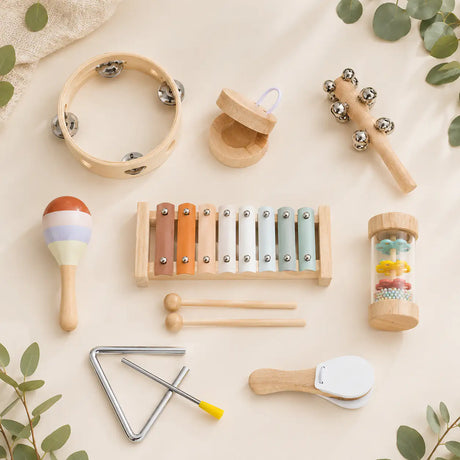
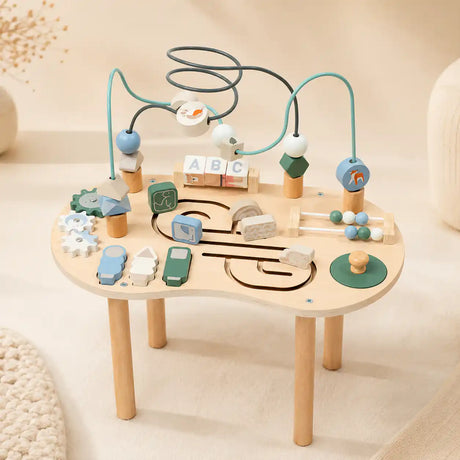
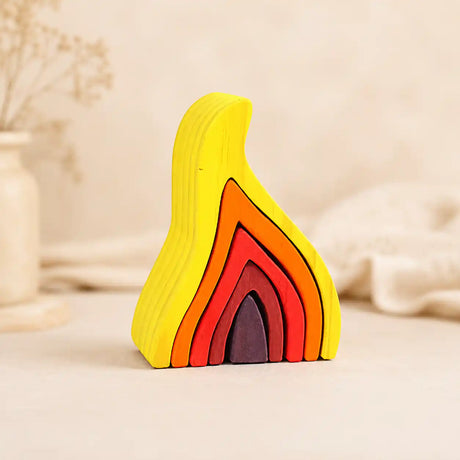
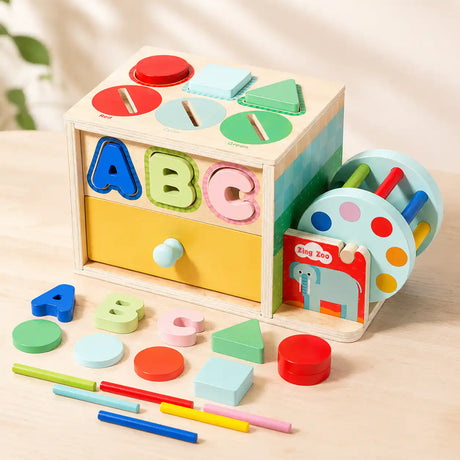
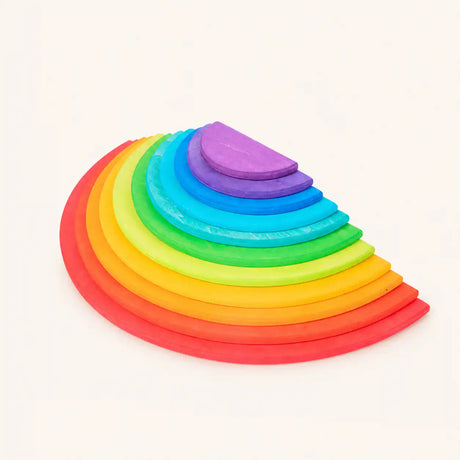
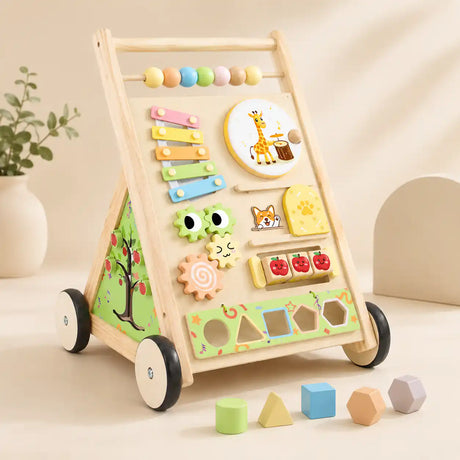
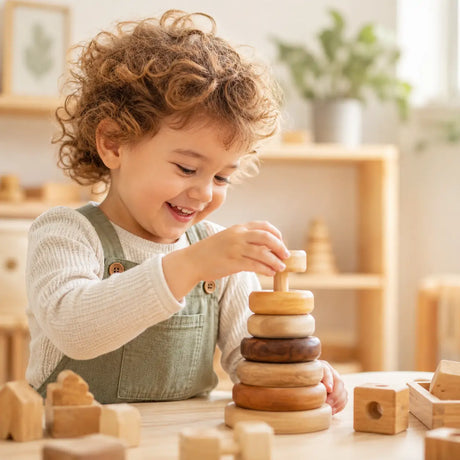
Purposeful materials over passive entertainment. Montessori favors real objects a child manipulates with their hands over toys that perform for them. A sorting set, a set of nesting pieces, a simple puzzle — each invites the "try, notice, adjust" loop the method is built around.
Child-led pace over adult-driven drills. The trial's persistence of gains tracks with letting children stay with a task as long as it holds their attention, rather than rushing to the next thing.
A calm, uncluttered setup. A small, well-chosen rotation of toys within reach does more than an overflowing bin, because it invites focus instead of overwhelm.
"When we trust children to learn with purpose and curiosity, they thrive." — Angeline Lillard, University of Virginia
The bottom line
The headline is that a 100-year-old idea just passed a modern, randomized test — and did it while costing less. For parents, the deeper takeaway is quieter and more usable: the ingredients that made the difference in those classrooms, purposeful materials and trust in a child's own curiosity, are ones you can bring to a corner of your own living room.