Every year, a wave of children’s product recalls reminds parents how much the details matter — and 2026 has been no exception. Several toddler toys and baby products have been pulled from major retailers this year over choking, suffocation, and other safety risks. Here’s what happened, and a simple guide to choosing toys you can feel good about.
What happened in 2026
The U.S. Consumer Product Safety Commission (CPSC) has announced a string of recalls affecting products sold through large online retailers. Among the most relevant for toddler families:
- GOPO teething toys — about 70,000 units recalled after silicone strings were found to exceed safety limits, posing a choking hazard because they “can reach the back of a child’s throat and get stuck.” Three incidents were reported. The toys were sold on Amazon from August 2023 to March 2026.
- COOCOOBABY baby loungers (Classic and Deluxe) — recalled over suffocation and entrapment risks, sold through Amazon, Nordstrom, and Bloomingdale’s.
- Children’s pajama sets from multiple sellers — recalled for failing federal flammability standards for sleepwear.
The common thread: products that slipped past the safety standards designed specifically to protect young children.
Recalled teething strings “can reach the back of a child’s throat and get stuck.” — U.S. Consumer Product Safety Commission
Why toddler toys get extra scrutiny
Children under three explore the world by mouthing, pulling, and dropping everything they can reach. That’s exactly why toy safety rules focus so heavily on small parts, cords and strings, secure construction, and non-hazardous finishes. A toy that looks charming can still fall short on any one of these — which is why the source and construction of a toy matter as much as its design.
How to spot a genuinely safe toy
You don’t need to memorize regulations to shop wisely. A few habits go a long way:
- Check the age grading and follow it. Age labels reflect safety testing, not just skill level — a “3+” rating usually signals small-parts risk for younger children.
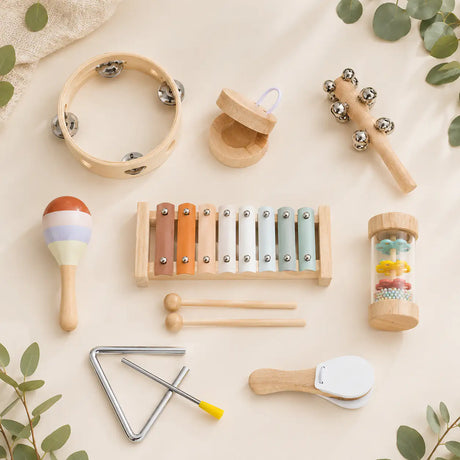
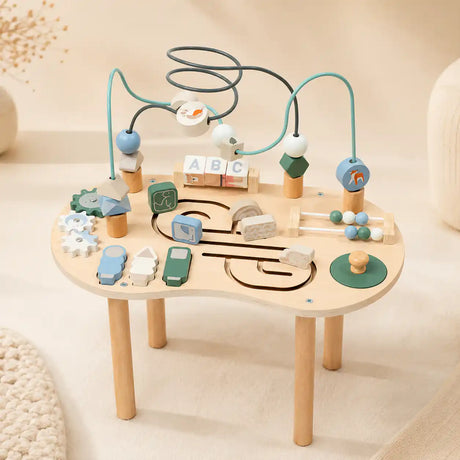
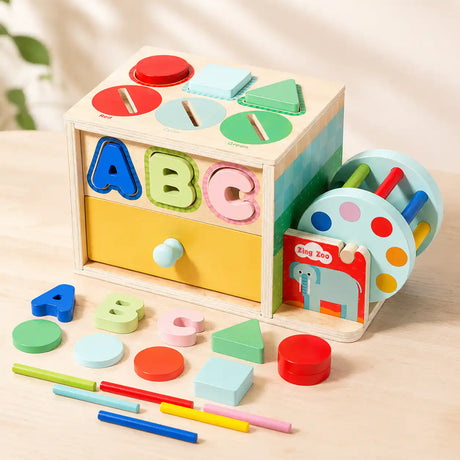
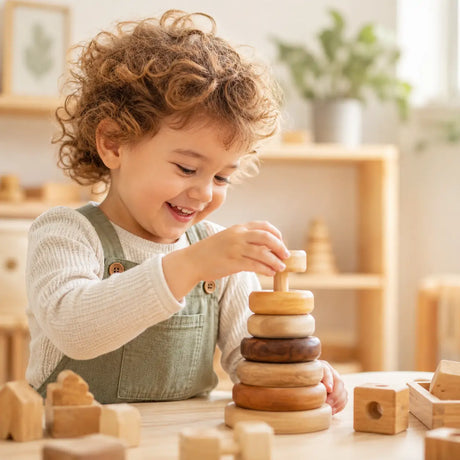
- Look for solid, one-piece construction. Well-made wooden toys with securely attached parts and smooth, sanded edges hold up to real play and drops.
- Mind strings, cords, and tiny detachable pieces for babies and young toddlers.
- Buy from sellers who stand behind their products and share clear product details, rather than anonymous marketplace listings.
- Keep an eye on CPSC recall notices and register products when you can, so you’re notified if something changes.
At JuniSprouts, this is the standard we curate around: thoughtfully made wooden toys with age guidance listed on each product, chosen for solid construction and safe, sensible design. We recommend adult supervision for open-ended play and encourage every family to review the age range and product details before purchase — the small print is there to help.
The bottom line
Recalls are unsettling, but they’re also the system working — unsafe products being caught and removed. As a parent, your best tools are simple: follow age guidance, favor well-made construction, buy from sellers you trust, and stay aware of recall notices. Choose thoughtfully, and the toys in your home can be exactly what they should be: safe, lasting, and made for real play.
Sources: U.S. Consumer Product Safety Commission recall notices (2026), as reported by 41NBC and ConsumerAffairs.