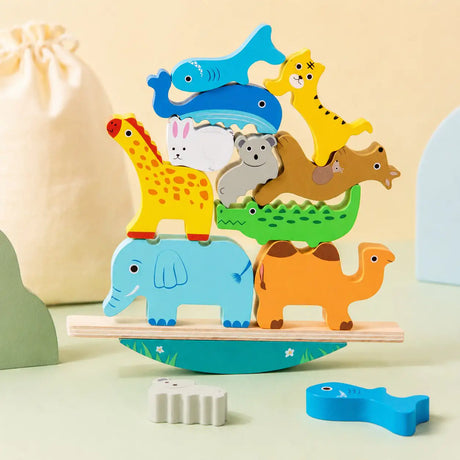
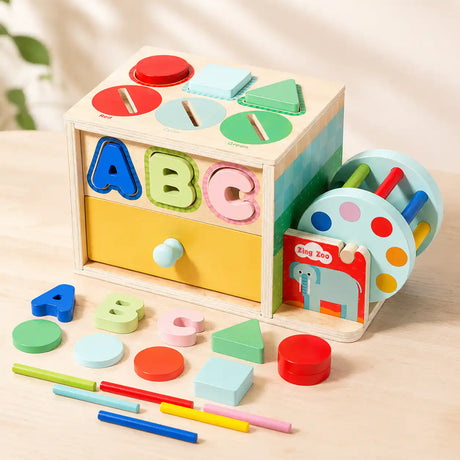
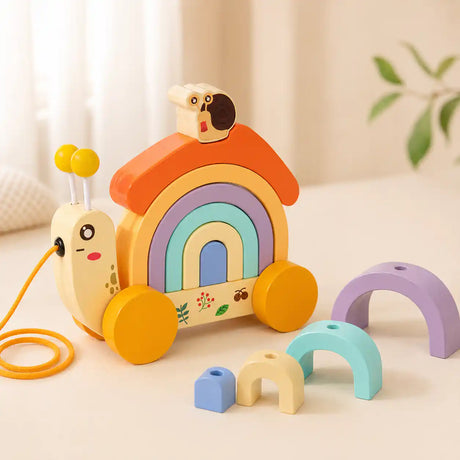
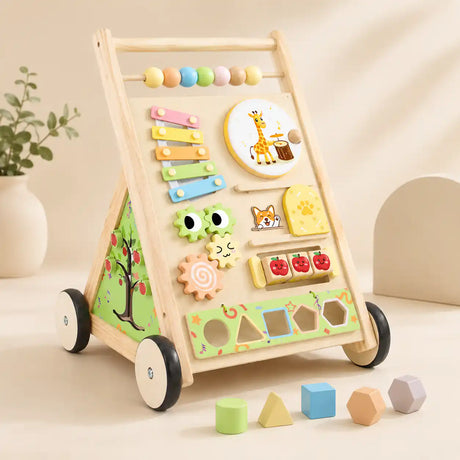
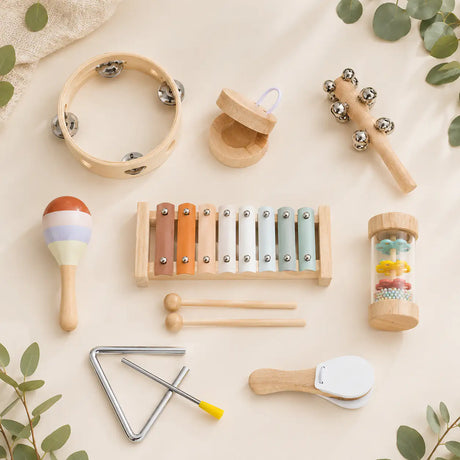
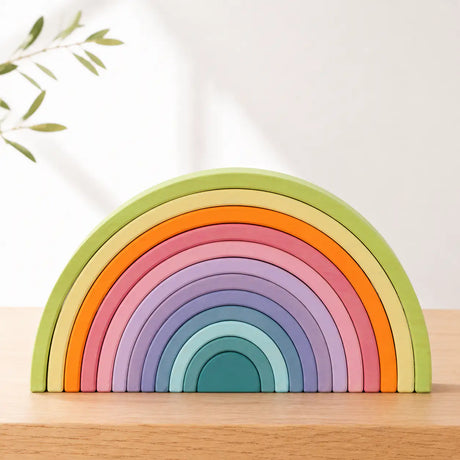
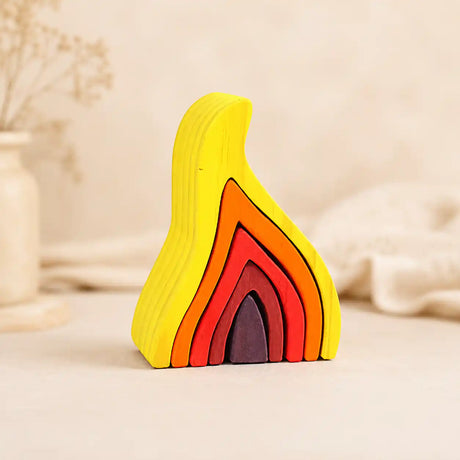
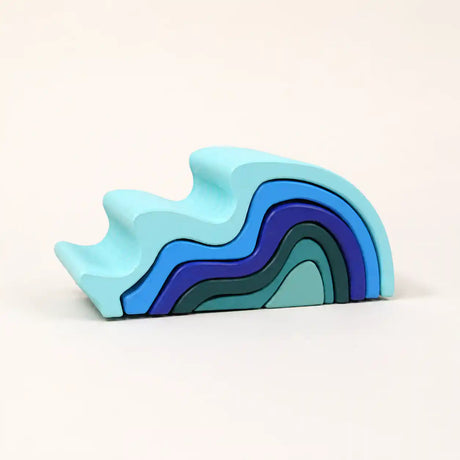
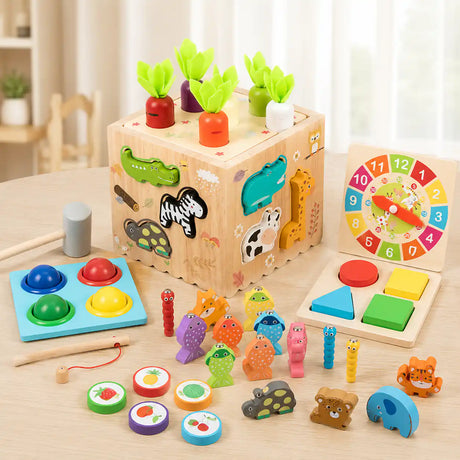
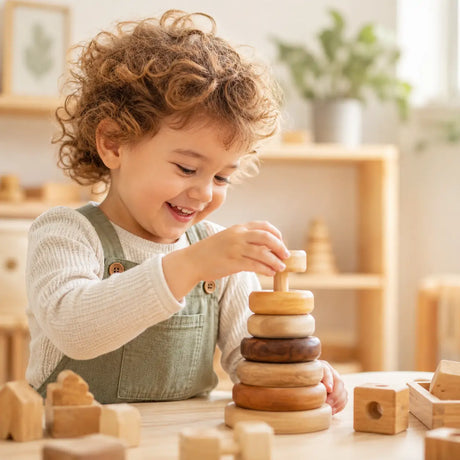
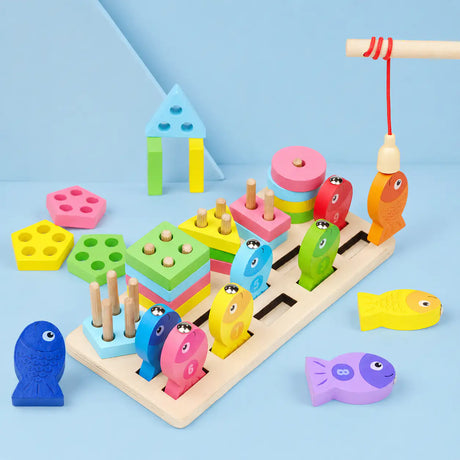
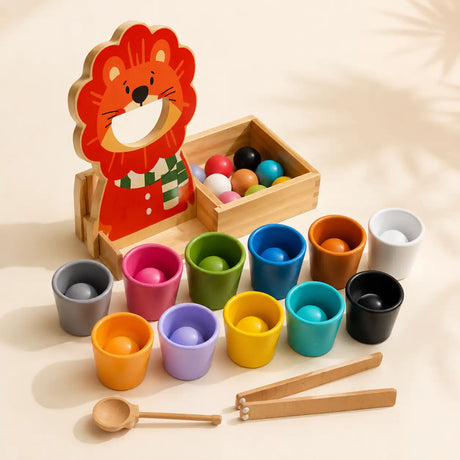
Sorting toys that turn early learning into a hands-on activity. Whether it's matching colors, dropping beads into tubes, or posting shapes into slots, every piece here supports pattern recognition, fine motor control, and the kind of quiet, focused play that builds concentration.
 1 year30% off
-
3-4+ year27% off
-
1-2 year31% off
-
2-3 year29% off
-
2-3 year33% off
-
2-3 year30% off
-
1 year30% off
-
2-3 year30% off
-
2-3 year30% off


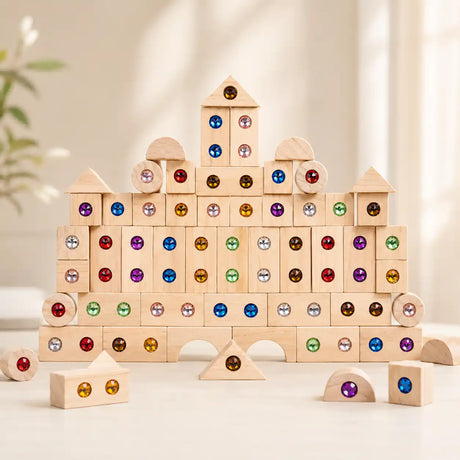







Why Sorting Matters
Sorting looks simple, but it's a child's first encounter with classification — noticing that things share properties, and that those properties can be used to group them. It's the same mental move that later underpins categorizing, early math, and logical reasoning.
- By color — usually the first attribute a toddler sorts by reliably
- By shape — requires attending to form independently of color
- By size — introduces sequencing and comparison
- By category — grouping animals, foods, or vehicles by what they are
What's in This Collection
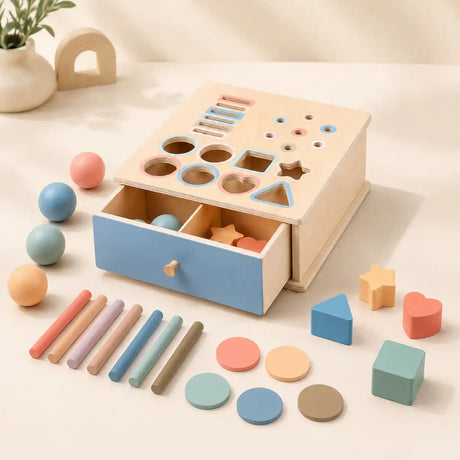
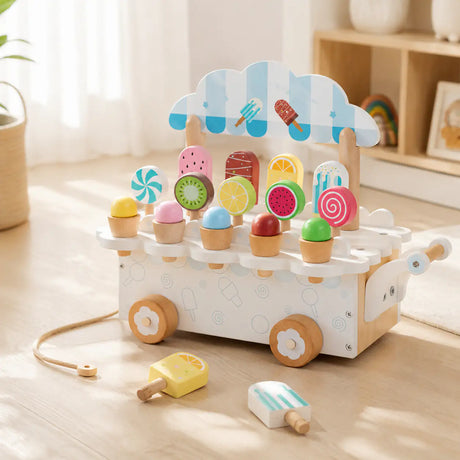
Shape sorters, color sorting sets, bead and cylinder posting toys, sorting trays, and matching games — Montessori sorting toys spanning the toddler and preschool years. Each is self-correcting by design: the piece fits, or it doesn't, so the child gets feedback without needing an adult to grade them.
Sorting Toy Questions
What age do children start sorting?
Simple sorting usually appears somewhere between eighteen months and two years, typically starting with color. Shape sorting tends to follow, and sorting by more than one attribute at a time — red circles versus blue circles — generally arrives closer to three or four.
What skills do sorting toys teach?
Classification and pattern recognition first, but also color and shape vocabulary, fine motor precision from placing pieces accurately, and problem-solving persistence when a piece doesn't fit on the first try. The self-correcting design means children also practice adjusting their own approach.
How do I introduce a sorting toy?
Demonstrate once, slowly, without narrating every step, then hand it over and let them work. Resist correcting them mid-attempt. A child who discovers for themselves that the square won't go in the round hole learns more than one who is told.
My child sorts everything into one pile. Is that normal?
Completely. Early attempts often ignore the intended categories entirely, and children frequently invent their own logic — grouping by which pieces they like best, for instance. That's still classification, just not the classification the toy designer had in mind.
Are sorting toys Montessori?
Sorting sits at the heart of Montessori practice. Maria Montessori's original sensorial materials were built around isolating a single quality — color, size, shape — so a child could focus on that one attribute. Modern sorting toys follow the same principle.
Many sorting toys contain small parts. Adult supervision is recommended; see each product page for age guidance.
Read more about Sorting Toys Show less
You May Also Like
View all-
1 year30% off
-
1 year31% off
-
1 year29% off
-
1 year31% off
-
1 year30% off
-
2-3 year31% off
-
1 year30% off
-
3-4+ year31% off
-
2-3 year31% off
-
1-2 year30% off