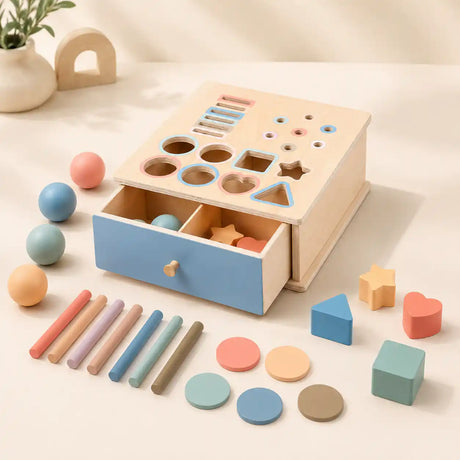
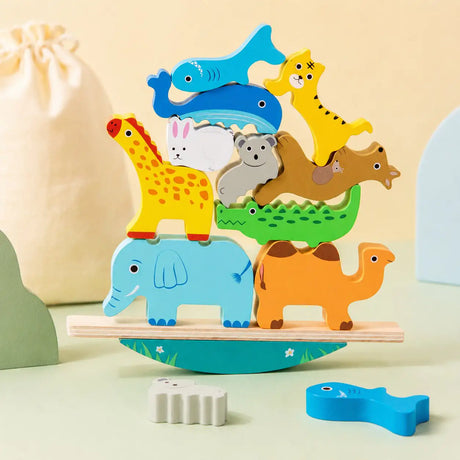
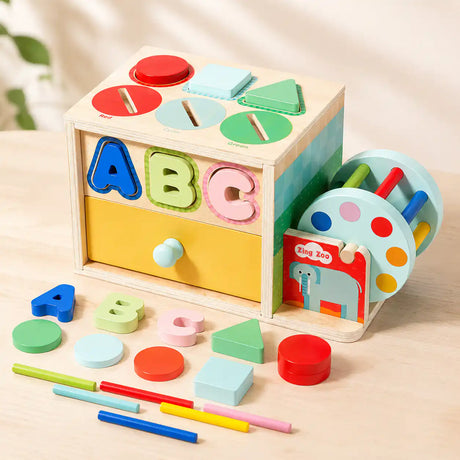
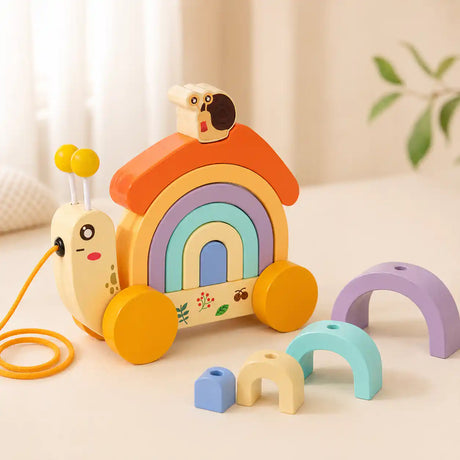
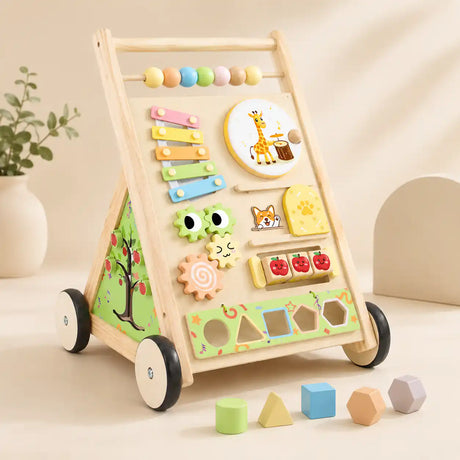
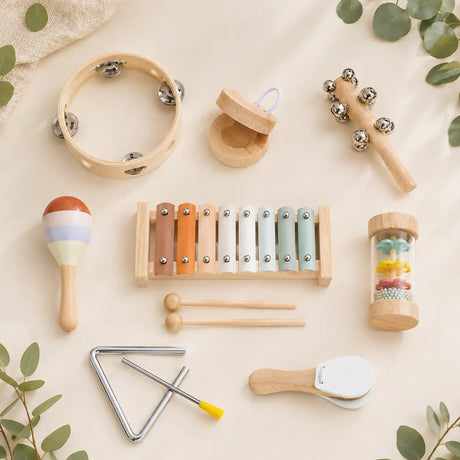
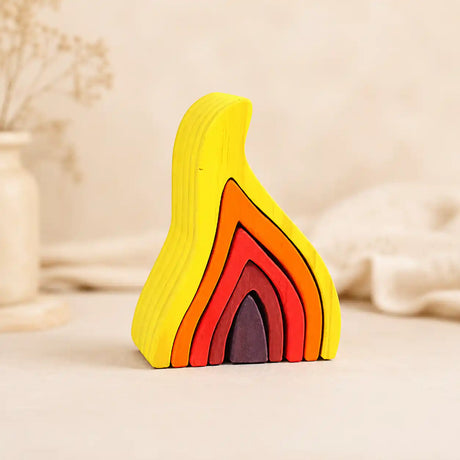
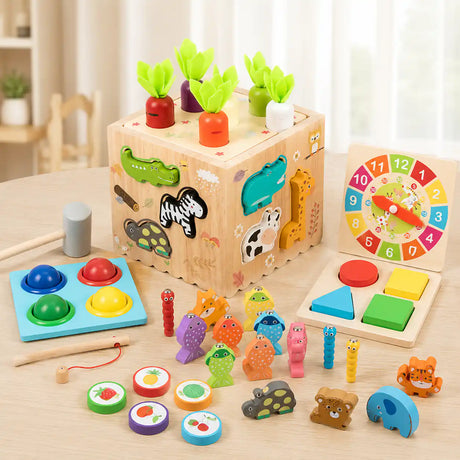
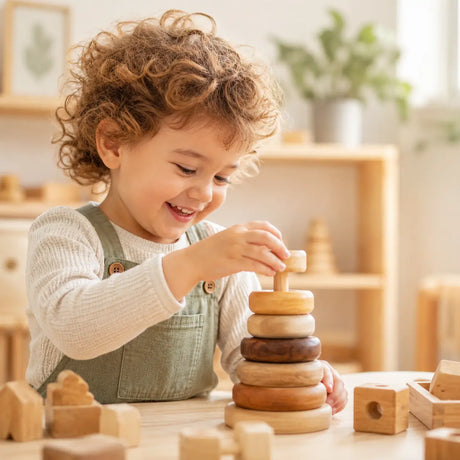
Social and emotional skills toys help children connect with others and understand their feelings. This collection features our wooden Montessori toys that nurture imaginative play, communication, sharing, empathy, and confidence — the social-emotional foundations of early childhood.
 2-3 year31% off
-
1-2 year29% off
-
1-2 year30% off
-
2-3 year29% off
-
2-3 year30% off
-
3-4+ year29% off
-
3-4+ year27% off
-
2-3 year30% off
-
2-3 year31% off





How Toys Build Social Skills
Social skills are learned through practice, and pretend play is where most of that practice happens. Deciding who is the customer, negotiating whose turn it is to serve, noticing that someone else wanted the red cup — these are real social problems worked out at low stakes.
- Turn-taking — waiting, sharing, and managing the frustration of both
- Perspective-taking — realizing another person wants something different
- Communication — asking, offering, explaining, and disagreeing
- Emotional processing — replaying real experiences to make sense of them
What's in This Collection
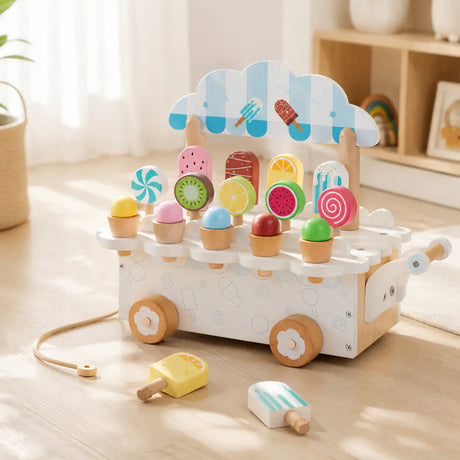
Pretend play sets, play kitchens and food, wooden animals, peg dolls, tea party sets, and cooperative games — natural wood, screen-free, and built for the kind of play that works better with someone else in the room.
Social Skills Questions
How do toys teach social and emotional skills?
By creating situations that require them. A tea party needs a guest; a shop needs a customer. Those roles generate genuine negotiation, and children practice reading intent and managing disagreement in a setting where nothing much is at stake.
At what age do children start sharing?
Genuine sharing generally emerges around three or four. Before that, toddlers can be prompted to take turns but don't yet grasp the fairness principle behind it, and parallel play — side by side rather than together — is completely normal at two.
My child only plays alone. Should I worry?
Usually not. Solo play is developmentally appropriate through the toddler years and is where deep concentration develops. Cooperative play arrives on its own timeline. If a child seems distressed by other children rather than simply uninterested, that's worth mentioning to your pediatrician.
What is parallel play?
Two children playing beside each other, often with similar toys, without genuinely playing together. It's the normal pattern from around two to three, and it's a real developmental stage rather than a failure to socialize.
How does pretend play help emotional development?
It gives children a way to work through experiences they can't yet articulate — a hospital visit, a new sibling, a hard day at nursery. Replaying it in play, with the child in control of the story, is genuinely how a lot of that processing happens.
Adult supervision is recommended. Some sets contain small parts; see each product page for age guidance.
Read more about Social Skills Show less
You May Also Like
View all-
1 year30% off
-
1 year31% off
-
1 year29% off
-
1 year31% off
-
1 year30% off
-
2-3 year31% off
-
1 year30% off
-
3-4+ year31% off
-
2-3 year31% off
-
1-2 year30% off