Two-year-olds are spending an average of two hours a day looking at screens — double what the World Health Organisation recommends for their age — according to new figures published in January 2026 by University College London's Centre for Longitudinal Studies. For parents trying to build a calmer, more hands-on early childhood, the study is both a reality check and a quiet case for the toys already on the shelf.
What happened
The findings come from the Children of the 2020s study, the first national birth cohort study of children in England in two decades, led by UCL and commissioned by the Department for Education. Researchers analysed data from more than 4,700 parents of two-year-olds, who reported on their child's screen use, home learning environment, and behaviour, and completed an assessment of their child's spoken vocabulary.
The numbers are striking. Almost every toddler (98%) used screens on a typical day, for an average of 129 minutes. Only 34% met the WHO's guidance of an hour or less. The WHO recommends no more than one hour of screen time a day for children aged 2 to 4.
Why it matters
The study found a clear association between heavy screen use and weaker early language. Children with the highest screen use — around five hours a day — could say, on average, 53% of a set of 34 test words, compared with 65% for the children who used screens least (an average of 44 minutes a day). The link held even after researchers accounted for family income and parents' education. Heavy screen users were also twice as likely to show emotional and behavioural difficulties (39% versus 17%).
The researchers are careful about causation — the data can't prove screens cause these gaps — but the same study points to what does help. Children whose caregivers most often read stories, played, drew or painted with them had markedly stronger vocabularies, saying 74% of the test words compared with 44% among children who did those activities least.
What this means for parents of toddlers
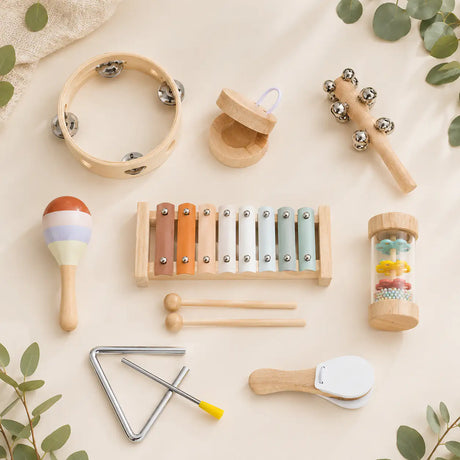
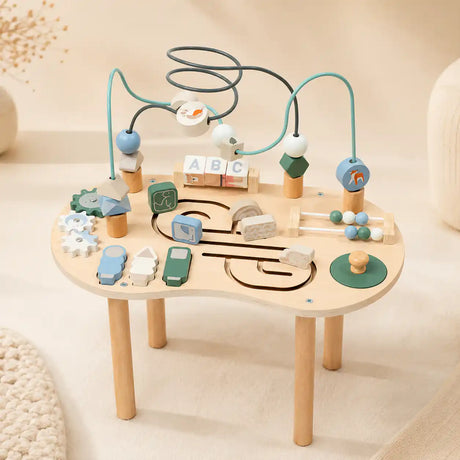
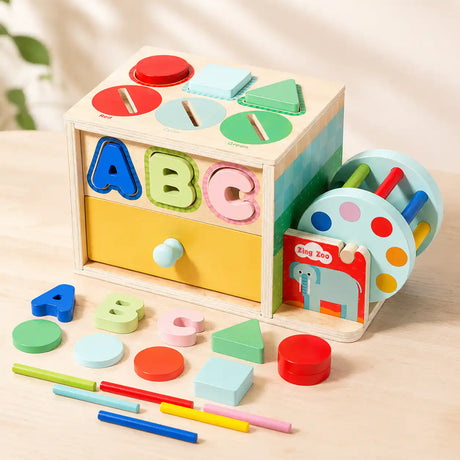
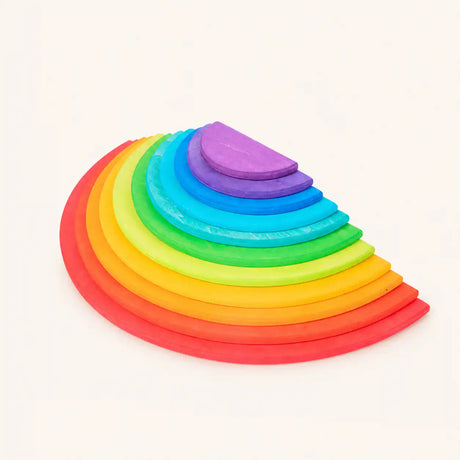
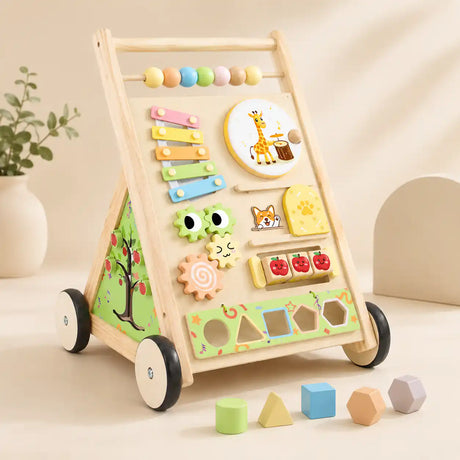
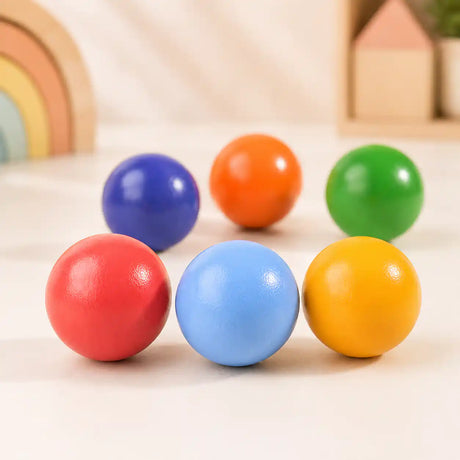
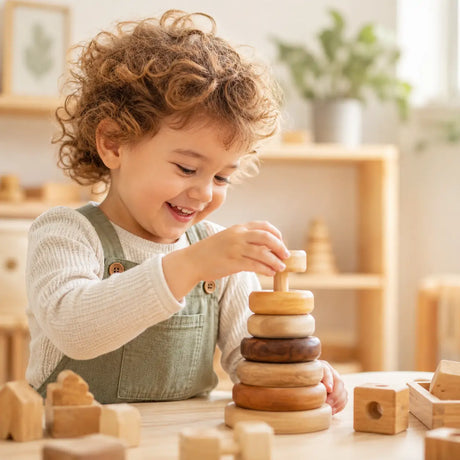
The encouraging takeaway is that the antidote isn't complicated or expensive: it's ordinary, interactive, hands-on play. The study's strongest positive signal came from exactly the kind of activities that a good open-ended toy is designed to invite — stacking, sorting, pretend play, building, and simply sitting on the floor together.
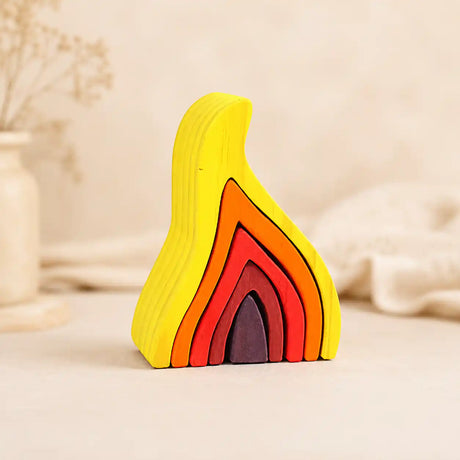
That's the practical role a screen-free toy plays. A wooden stacking set or a basket of animal figures doesn't light up or autoplay the next video; it waits for a child to pick it up, and it usually pulls a parent down onto the rug too. If you're looking for a realistic first step, it's less about banning screens and more about making the appealing alternative the closest thing to hand: a small, rotating shelf of tactile toys within a toddler's reach, ready for the ten-minute stretches when a screen would otherwise fill the gap.
“Stimulating, interactive parenting activities, like reading stories, playing together, drawing or painting, were strongly linked to better early language skills.” — UCL Centre for Longitudinal Studies
The bottom line
Two hours a day is now the toddler norm, not the exception — and the research suggests what a child does instead of screens matters as much as the screens themselves. Swapping even a fraction of that time for shared, open-ended play is one of the simplest, best-evidenced things a parent can do. The toys that make that easy are the ones a child can reach without asking, and that a grown-up wants to join.
Sources & further reading
- UCL News — Toddlers spending two hours on screens a day
- World Health Organization — To grow up healthy, children need to sit less and play more