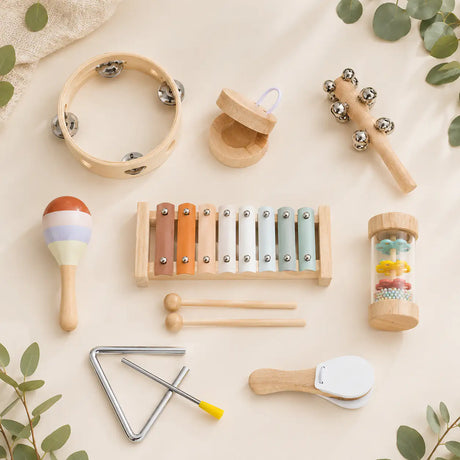
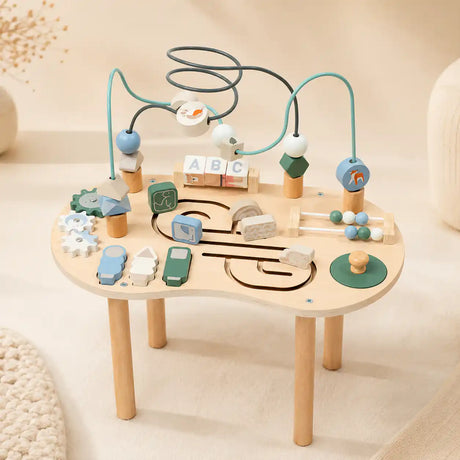
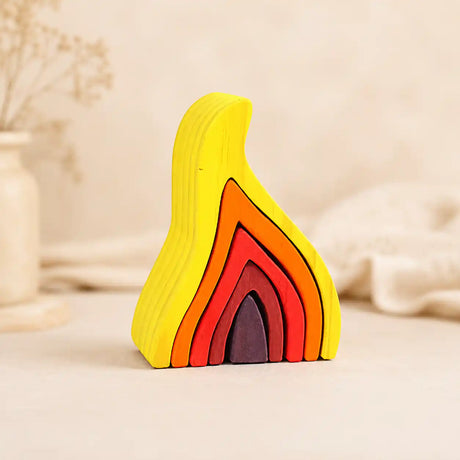
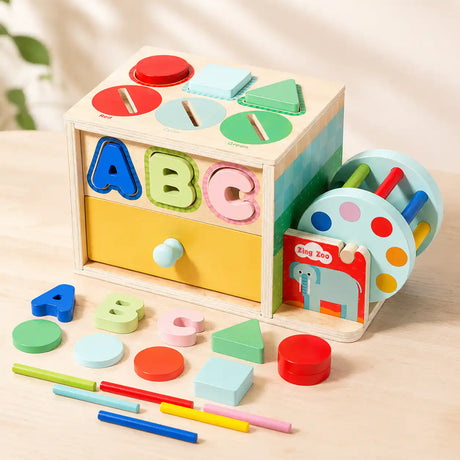
Montessori has gone from a niche preschool philosophy to a full-blown consumer category. In 2026 the label is everywhere — on toy shelves, subscription boxes, and parenting feeds — and a fresh round of industry recognition shows the momentum isn't slowing. Behind the buzzword is a real shift in what parents want for the first three years: structured, screen-free, developmentally matched play.
What happened
In March 2026, Panda Crate — the infant and toddler subscription line from KiwiCo — was named Best Montessori Toy Subscription of 2026 by the review outlet Expert Consumers, per a press release distributed via PR Newswire. The program delivers age- and stage-appropriate toys and a "grownup guide" every other month, with 18 stage-specific crates spanning birth to 36 months, priced from $50 per crate.
More telling than any single award is the reason given for the category's growth. "Interest in Montessori-inspired and sensory-based learning tools has expanded in recent years," the announcement noted, "particularly among parents looking for screen-free alternatives for infants and toddlers." The pitch is convenience meeting philosophy: curated, age-aligned materials that spare caregivers from researching and assembling activities themselves.
The KiwiCo line also leans on expert credibility, citing input from pediatrician Dimitri Christakis, MD, MPH, of Seattle Children's Hospital — a name well known in the screen-time research world — and in-house child-development specialists.
Why it matters
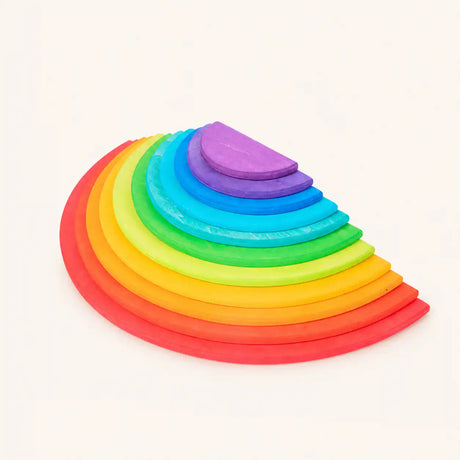
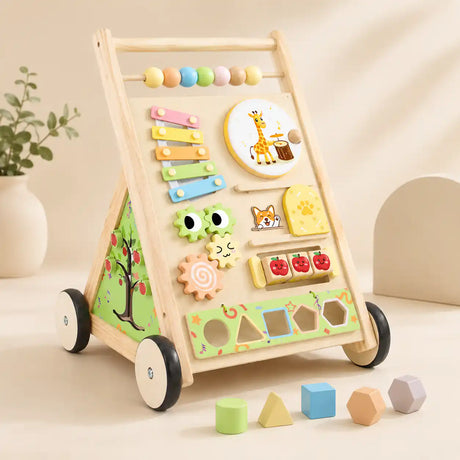
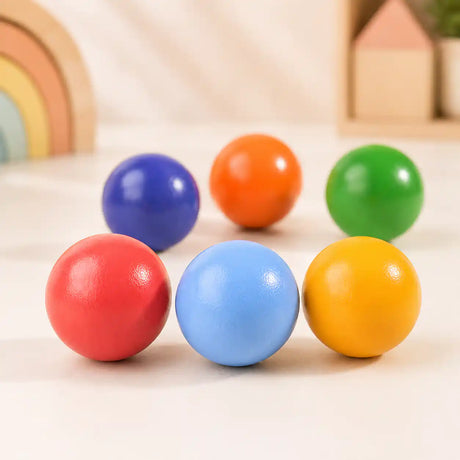
The trend tells you what modern parents are optimizing for. It's not flashing lights or licensed characters; it's developmentally sequenced, hands-on play framed around milestones — sensory awareness in the early months, gross-motor coordination around a year, sorting and counting closer to two. The same instinct driving parents toward subscription crates is driving them toward wooden stackers, shape sorters, and open-ended toys on the shelf: a desire for play that does something, without a screen.
But a booming label has a downside. As a parallel wave of 2026 safety recalls has shown, "Montessori" is not a regulated term — anyone can print it on a box. The word signals an aesthetic and an intention; it guarantees nothing about testing or quality.
What this means for parents
The takeaway isn't that you need a subscription — it's that the thinking behind the trend is sound, and you can apply it to any toy you buy. A few principles carry over:
Match the toy to the stage, not just the age. The reason curated crates resonate is that they meet emerging skills. You can do the same on your own shelf: a stacker when they're working on coordination, sorting and counting toys as they approach two.
Favor open-ended over single-use. The toys that earn their place are the ones a child returns to as they grow — the "grow-with-me" idea the subscription market is built on.
Vet the maker, not the buzzword. Since "Montessori" isn't a safety standard, look for the things that are: CPC-certified testing, clear age guidance, and a real manufacturer you can identify. (JuniSprouts, for instance, builds its wooden, open-ended toys to CPC-certified standards — the substance under the trend, not just the look.)
"Interest in Montessori-inspired and sensory-based learning tools has expanded in recent years, particularly among parents looking for screen-free alternatives for infants and toddlers." — Best Montessori Toy Subscription 2026 announcement, via PR Newswire
The bottom line
The Montessori boom is really a proxy for something bigger: parents wanting intentional, screen-free, milestone-matched play in the years that matter most. The label will keep spreading — so the smart move is to buy the substance behind it. Match the toy to the child, choose open-ended over disposable, and check that the maker can prove the toy is safe. Do that, and you don't need to chase a trend; you're already living it.
This article is for general information. Product mentions are illustrative and not endorsements; verify any toy's current safety and recall status before purchase.