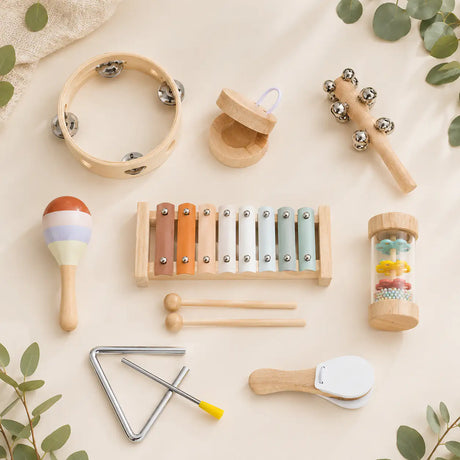
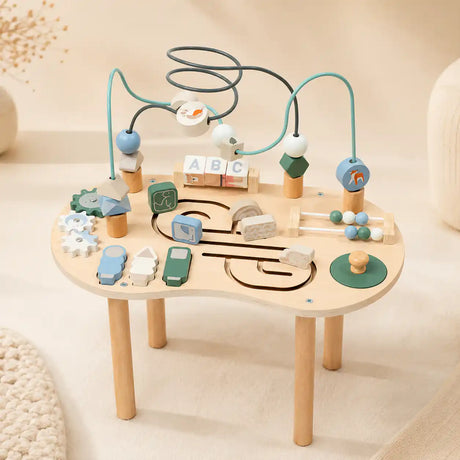
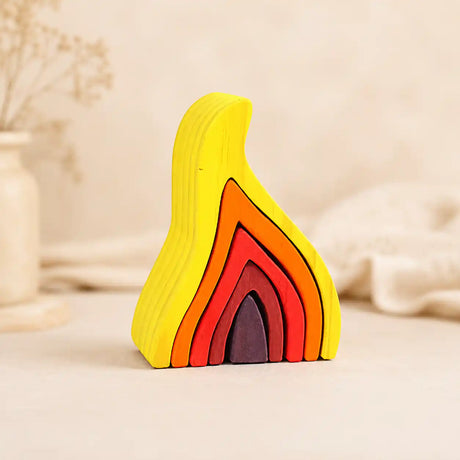
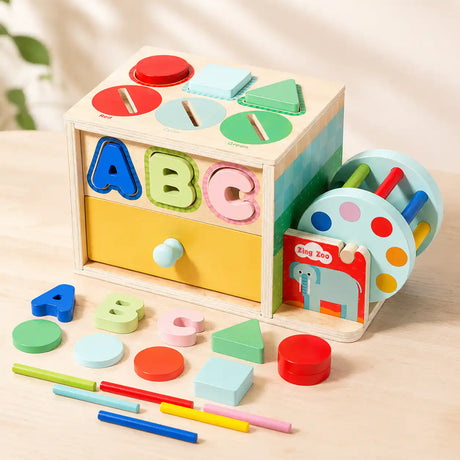
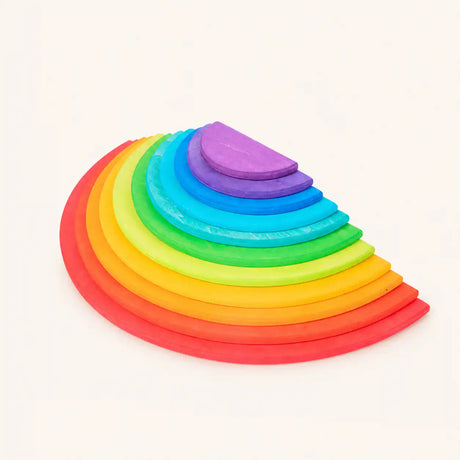
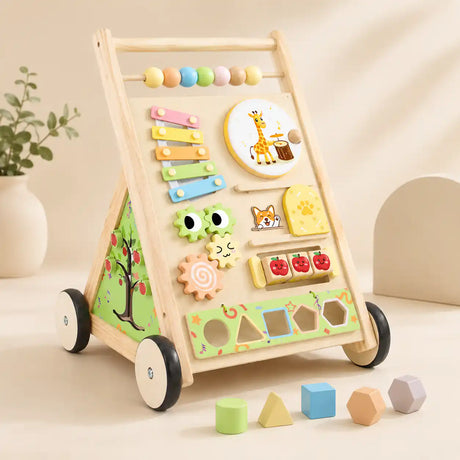
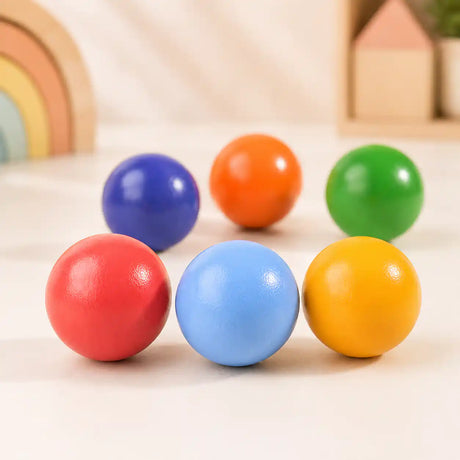
The move toward wooden, screen-free, "Montessori-style" toys has stopped looking like a trend and started looking like a structural change in how parents shop for young children. The revenue figures, the retailer shelves, and even century-old toy giants pivoting to wood all point the same direction — and 2026 is showing no sign of a reversal.
What happened
Reporting from Inc. laid out the scale of the shift. Lovevery, which sells Montessori-inspired play kits, grew from $140 million in revenue in 2021 to $237 million, and educational-toy company KiwiCo reported that sales of its Montessori-inspired toys grew nearly 40 percent in a single year. The pull is strong enough that Fisher-Price — a near-century-old brand that has made virtually every kind of children's toy — launched a dedicated line of wooden toys in response to demand, and Thailand's PlanToys moved to bring a Montessori-inspired line to the U.S.
Two forces are driving it, according to the reporting. One is a "back to basics," screen-free instinct among younger parents. The other is sustainability: Jennifer Lynch, a toy trends specialist for the Toy Association, noted "growing demand from parents for more sustainably made toys, which of course, includes a lot more wooden toys," and a Toy Association survey of 1,000 U.S. parents found that half of parents under 40 factor sustainability into toy purchases. Independent toy-store owners describe the same pattern from the floor — one Indiana shop owner told Inc. that customers who once dismissed quiet wooden toys as "too boring" simply don't say that anymore.
Why it matters
There's an important asterisk buried in the reporting: "Montessori" is not a trademarked term. As University of Virginia psychologist Angeline Lillard put it, "People just run with it and do whatever they want." That's why the category is booming and confusing at the same time — the same word covers a faithfully designed wooden stacker and a plastic gadget with a Montessori sticker. For parents, the growth of the category is good news only if they can tell the two apart.
What this means for parents
The signal worth trusting isn't the label — it's the design. Toy-store owners quoted in the reporting describe what "Montessori" has come to mean in practice: "quality, wooden, toddler toys" and "no batteries." That's a useful filter. A genuinely open-ended toy has no single correct outcome — a set of blocks becomes a tower, a road, or a sorting game — and it's made from natural materials that hold up long enough to pass to a younger sibling. If you're buying into this trend, the questions that matter are the durable ones: Is it real wood and non-toxic? Does it support one clear skill without doing the thinking for the child? Will it still be useful in a year? Those beat any marketing term on the box.
"They mean quality, wooden, toddler toys. They mean no batteries." — Hilary Key, toy-store owner, on what customers now mean by "Montessori," via Inc.
The bottom line
The wooden-toy shift is real, measurable, and still accelerating into 2026 — but the word "Montessori" is doing a lot of heavy lifting in a market where anyone can use it. Buy the design, not the label: open-ended, well-made, screen-free toys earn their place on the shelf long after the trend line flattens.