
Toy safety
Children’s Product Certificates (CPC)
Search our library and open the Children's Product Certificate for any JuniSprouts toy that has one on file, then learn what a CPC lists and how to read it.
On this page7 sections
Find a toy’s certificate
Search by toy name, then open the certificate as a PDF. You’ll also find each certificate on the toy’s page under Details & care.
 Dinosaur Sorting DrumAges 4+View CPC (PDF) for Dinosaur Sorting Drum, opens in a new tab
 Montessori Busy Book SetAges 3+View CPC (PDF) for Montessori Busy Book Set, opens in a new tab
 Wooden 4-in-1 Learning BundleAges 3+View CPC (PDF) for Wooden 4-in-1 Learning Bundle, opens in a new tab
 Wooden 8-in-1 Activity CubeAges 3+View CPC (PDF) for Wooden 8-in-1 Activity Cube, opens in a new tab
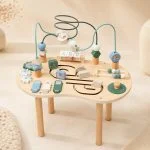 Wooden Activity TableAges 3+View CPC (PDF) for Wooden Activity Table, opens in a new tab
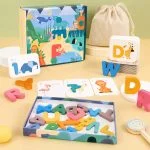 Wooden Alphabet & Numbers FlashcardsAges 3+View CPC (PDF) for Wooden Alphabet & Numbers Flashcards, opens in a new tab
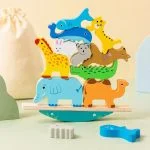 Wooden Animal Balancing Stacker ToyAges 3+View CPC (PDF) for Wooden Animal Balancing Stacker Toy, opens in a new tab
 Wooden Animal Puzzle StackerAges 4+View CPC (PDF) for Wooden Animal Puzzle Stacker, opens in a new tab
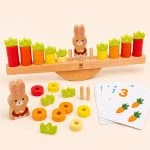 Wooden Bunny Balance ScaleAges 3+View CPC (PDF) for Wooden Bunny Balance Scale, opens in a new tab
 Wooden Busy Board MiniAges 2+View CPC (PDF) for Wooden Busy Board Mini, opens in a new tab
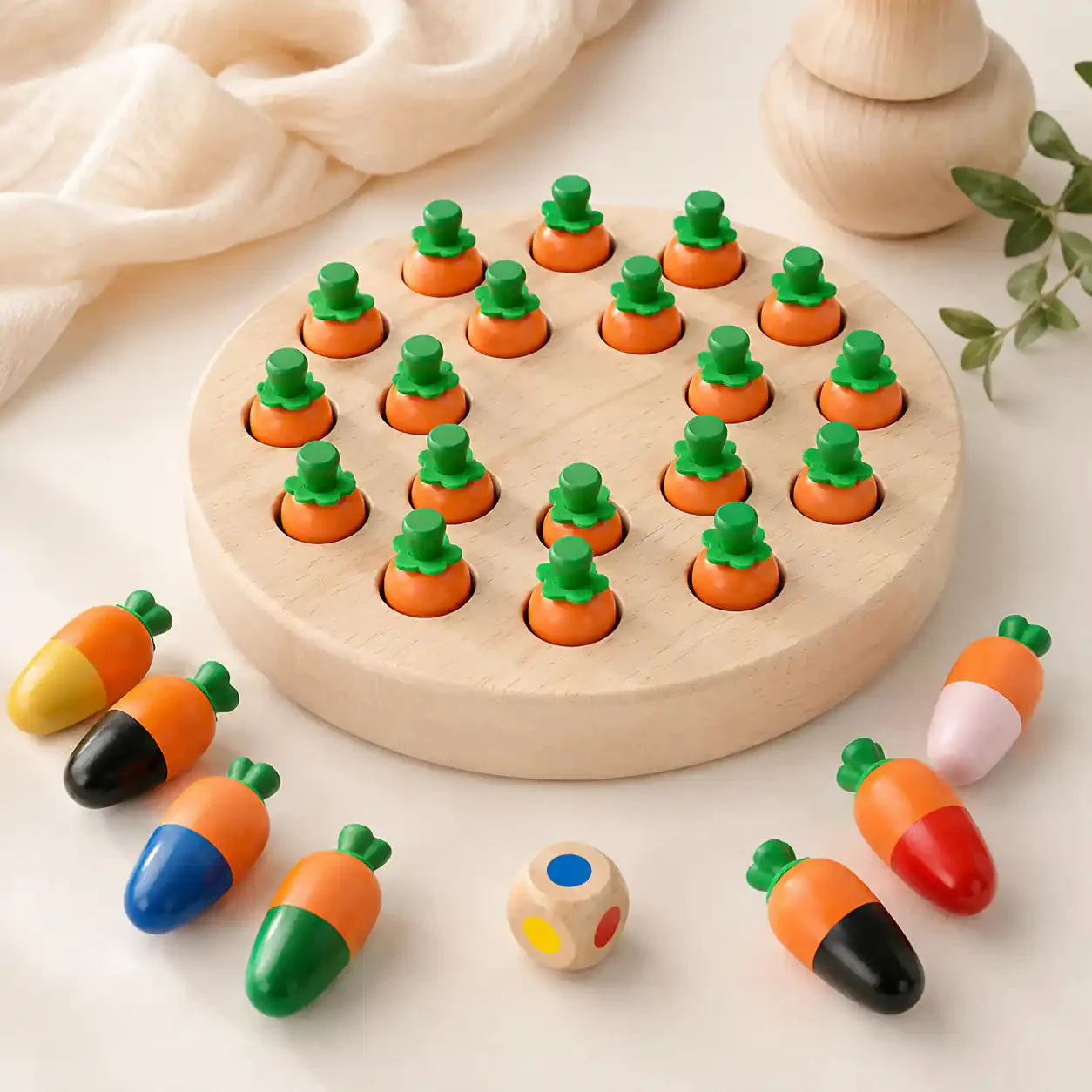 Wooden Carrot Memory GameAges 3+View CPC (PDF) for Wooden Carrot Memory Game, opens in a new tab
 Wooden Chunky Puzzle SetAges 3+View CPC (PDF) for Wooden Chunky Puzzle Set, opens in a new tab
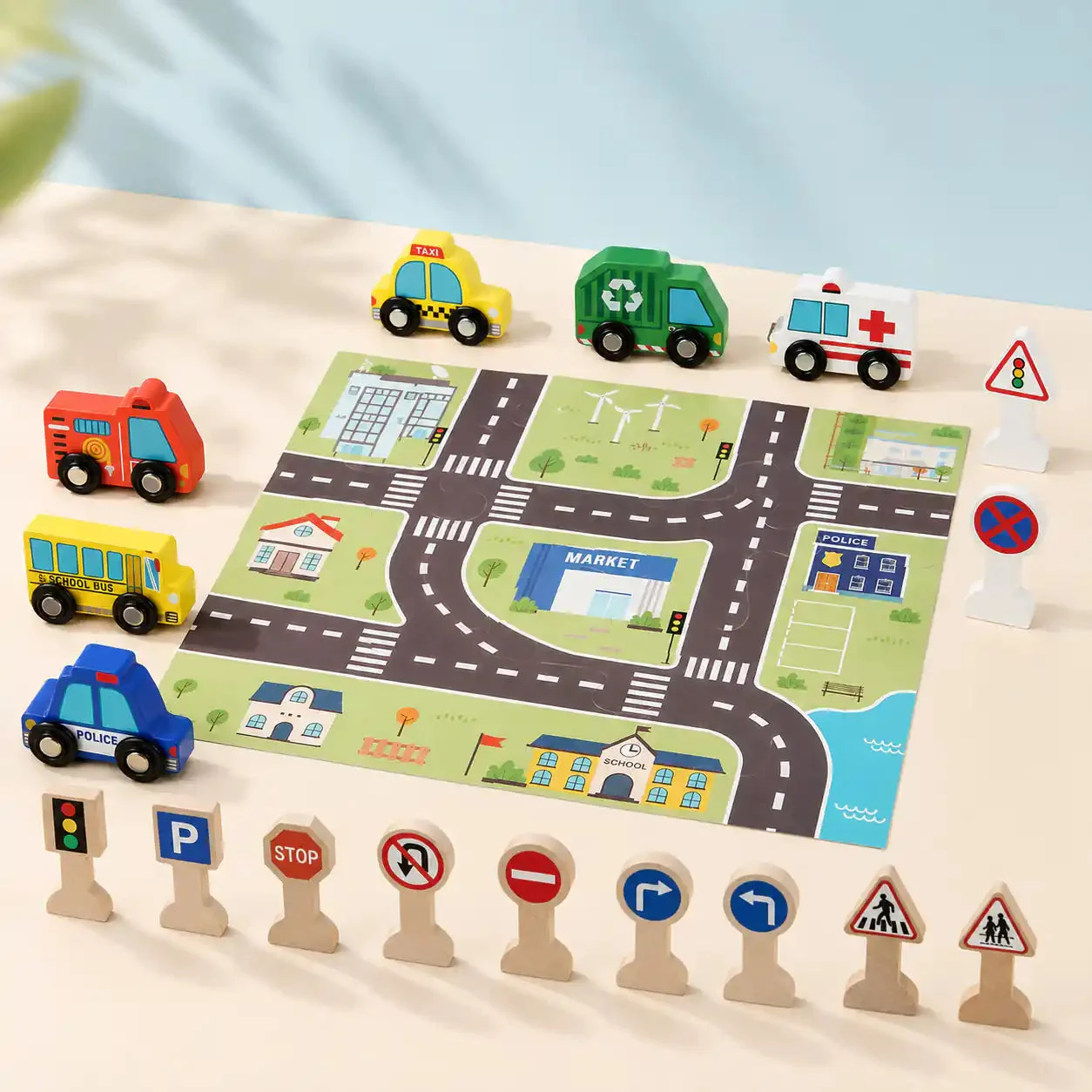 Wooden City Traffic Play SetAges 4+View CPC (PDF) for Wooden City Traffic Play Set, opens in a new tab
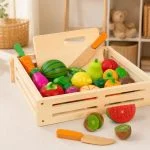 Wooden Cutting Fruits & Vegetables Play SetAges 3+View CPC (PDF) for Wooden Cutting Fruits & Vegetables Play Set, opens in a new tab
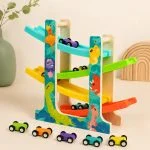 Wooden Dinosaur Ramp RacerAges 3+View CPC (PDF) for Wooden Dinosaur Ramp Racer, opens in a new tab
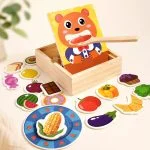 Wooden Feed the Bear SetAges 3+View CPC (PDF) for Wooden Feed the Bear Set, opens in a new tab
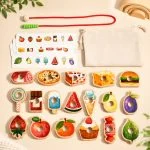 Wooden Food Lacing SetAges 3+View CPC (PDF) for Wooden Food Lacing Set, opens in a new tab
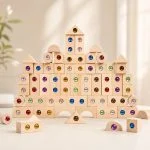 Wooden Gem Building Blocks SetAges 3+View CPC (PDF) for Wooden Gem Building Blocks Set, opens in a new tab
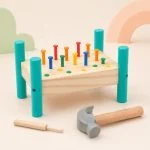 Wooden Hammer & Peg Pounding BenchAges 3+View CPC (PDF) for Wooden Hammer & Peg Pounding Bench, opens in a new tab
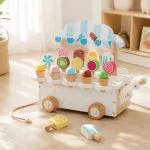 Wooden Ice Cream Cart Pull-Along ToyAges 3+View CPC (PDF) for Wooden Ice Cream Cart Pull-Along Toy, opens in a new tab
 Wooden Magnetic Alphabet Fishing GameAges 4+View CPC (PDF) for Wooden Magnetic Alphabet Fishing Game, opens in a new tab
 Wooden Memory Game BoardAges 3+View CPC (PDF) for Wooden Memory Game Board, opens in a new tab
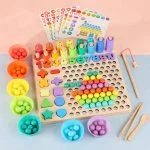 Wooden Montessori 10-in-1 Learning BoardAges 3+View CPC (PDF) for Wooden Montessori 10-in-1 Learning Board, opens in a new tab
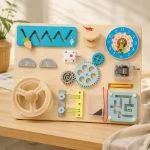 Wooden Montessori Busy BoardAges 3+View CPC (PDF) for Wooden Montessori Busy Board, opens in a new tab
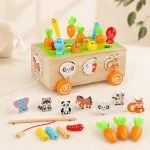 Wooden Montessori Harvest CartAges 3+View CPC (PDF) for Wooden Montessori Harvest Cart, opens in a new tab
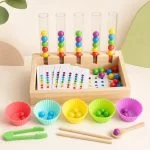 Wooden Montessori Rainbow Bead Sorting SetAges 3+View CPC (PDF) for Wooden Montessori Rainbow Bead Sorting Set, opens in a new tab
 Wooden Montessori Shape Sorter & Magnetic Fishing BoardAges 3+View CPC (PDF) for Wooden Montessori Shape Sorter & Magnetic Fishing Board, opens in a new tab
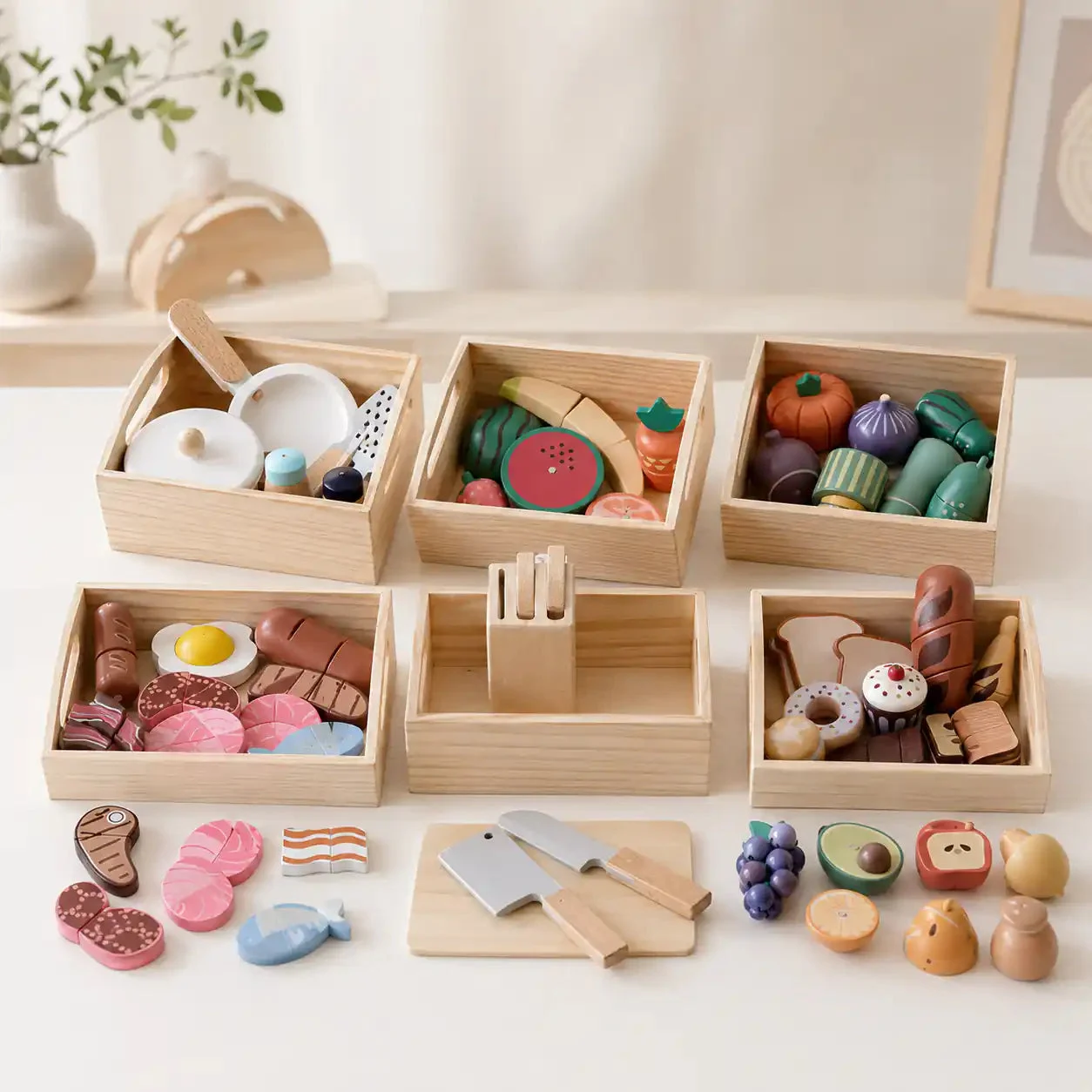 Wooden Play Food SetAges 4+View CPC (PDF) for Wooden Play Food Set, opens in a new tab
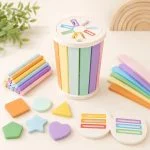 Wooden Rainbow Sorting CylinderAges 3+View CPC (PDF) for Wooden Rainbow Sorting Cylinder, opens in a new tab
 Wooden Sensory Blocks SetAges 3+View CPC (PDF) for Wooden Sensory Blocks Set, opens in a new tab
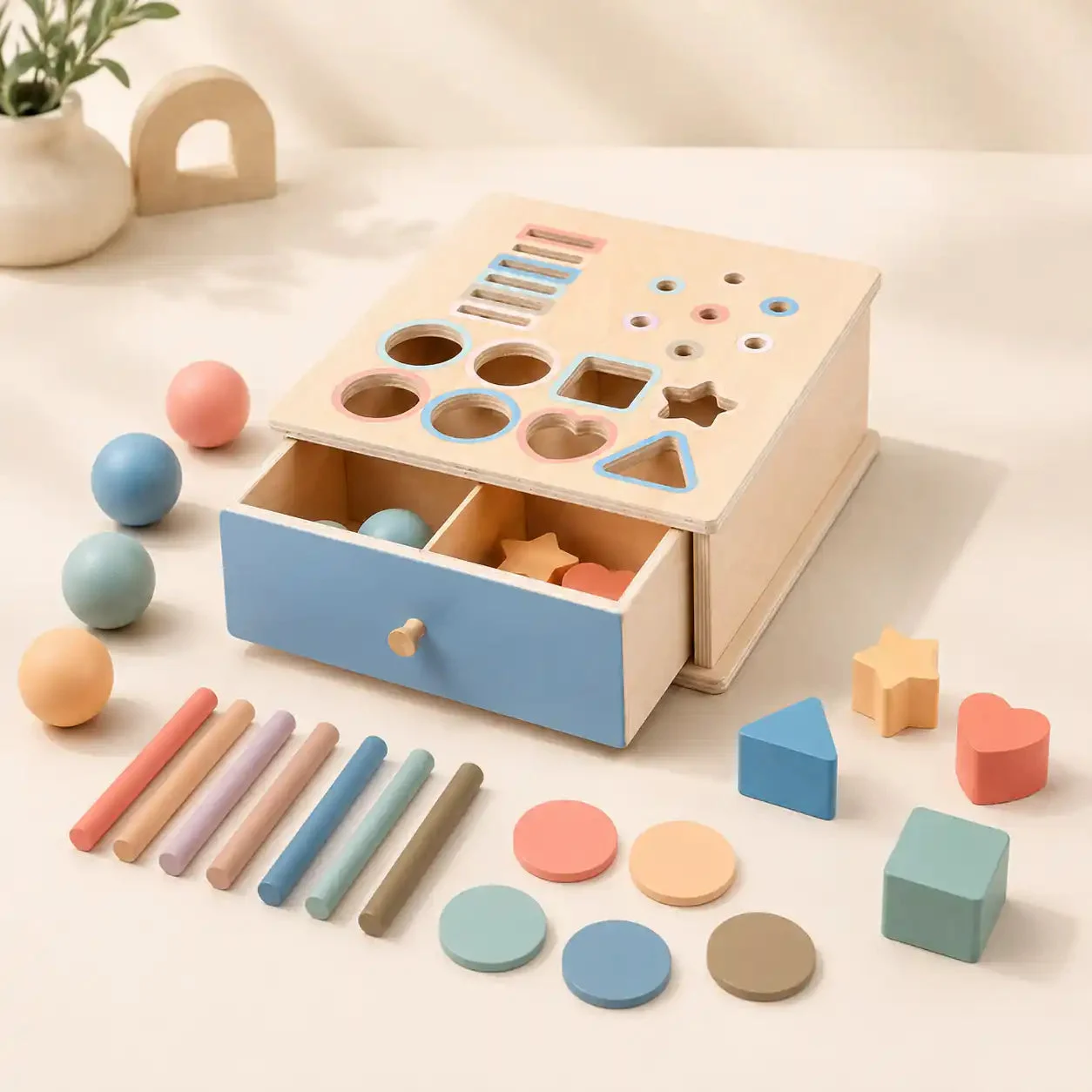 Wooden Shape Sorter BoxAges 3+View CPC (PDF) for Wooden Shape Sorter Box, opens in a new tab
 Wooden Snail Pull-Along Rainbow StackerAges 1+View CPC (PDF) for Wooden Snail Pull-Along Rainbow Stacker, opens in a new tab
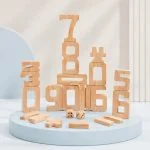 Wooden Stacking Number BlocksAges 3+View CPC (PDF) for Wooden Stacking Number Blocks, opens in a new tab
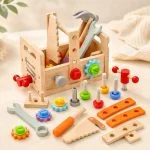 Wooden Toddler Tool BoxAges 3+View CPC (PDF) for Wooden Toddler Tool Box, opens in a new tab
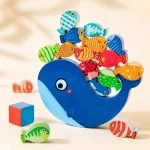 Wooden Whale Balancing ToyAges 3+View CPC (PDF) for Wooden Whale Balancing Toy, opens in a new tab
No toys match that search. Try a shorter word, or email us at support@junisprouts.com.
Don’t see the toy you’re looking for? Email us at support@junisprouts.com with the toy’s name and we’ll share the safety documentation we have for it.
What is a Children’s Product Certificate?
A Children’s Product Certificate, or CPC, is a written statement from a toy’s U.S. importer or manufacturer that the product meets the U.S. safety rules that apply to it. Federal law requires a CPC for most products made for children 12 and under.
The certificate has to be based on passing test results from a third-party laboratory accepted by the U.S. Consumer Product Safety Commission (CPSC). The lab does the testing, and the importer or manufacturer issues the certificate and is responsible for it.
For toys, the main rule is the federal toy safety standard, ASTM F963. Its current version, ASTM F963-23, applies to toys made on or after April 20, 2024. Since July 8, 2026, importers also file certificate data electronically with U.S. Customs when products enter the country.
What you’ll see on a certificate
There’s no single required layout, so certificates look different from one maker to the next. Every CPC should include these seven things:
| On the certificate | What it tells you |
|---|---|
| Product identification | The product name, model or item number, so you can match it to your toy. |
| Safety rules | Each children’s product safety rule the toy is certified to, listed by its legal citation. |
| Who certifies it | The name and contact details of the U.S. importer or manufacturer issuing the certificate. |
| Records contact | The person who keeps the test records that support the certificate. |
| Date and place made | When and where the toy was manufactured, usually a month and year plus a city and country. |
| Date and place tested | When and where the testing that supports the certificate took place. |
| Testing lab | The CPSC-accepted third-party lab that tested the toy. |
Rules you’ll often see listed
A certificate only lists the rules that apply to that toy, so a simple wooden puzzle and a painted pull toy can list different rules. These are among the most common for wooden toys:
| Citation | What it covers |
|---|---|
| 16 CFR part 1250 (ASTM F963) | The federal toy safety standard: sharp points and edges, small parts, strings and cords, heavy elements in paint and coatings, and much more. |
| 16 CFR part 1303 | Lead limits in paint and similar surface coatings. |
| CPSIA section 101 | Lead content limits in accessible parts of children’s products. |
| 16 CFR part 1501 | The small parts rule for toys meant for children under 3. |
| 16 CFR part 1307 | Limits on certain phthalates in soft plastic parts of toys and child care articles. |
How to read a certificate
- Match the toyCheck that the product name or item number fits the toy you have or plan to buy.
- Scan the rulesLook for the toy standard plus any lead, small parts or phthalate rules that fit the toy.
- Note the datesSee when the toy was made and when it was tested.
- Look up the labYou can search the lab’s name in the CPSC’s list of accepted labs at cpsc.gov.
Why we share certificates
Online shops aren’t required to show shoppers a toy’s certificate. We think you should be able to see it anyway, so we link every certificate we have on file on the toy’s page and here in one place.
A certificate is one part of toy safety. Always follow the age grading, warnings and supervision notes on each toy and its packaging.
Certificate questions
Is a CPC the same as being “CPSC certified”?
No. The CPSC doesn’t approve or certify individual products. The importer or manufacturer certifies the toy, based on testing by a lab the CPSC has accepted. That’s why we describe toys as having a Children’s Product Certificate, not as “CPSC certified.”
Why doesn’t every toy have a certificate in the library?
The library lists every certificate we currently have on file. If a toy you’re interested in isn’t listed, email us at support@junisprouts.com and we’ll share the safety documentation we have for it.
What does “third-party, CPSC-accepted lab” mean?
It’s an independent testing lab that the CPSC has accepted to test children’s products to specific safety rules. Testing has to be done by one of these labs, not by the seller or in-house, for most children’s product rules.
Can I see the full lab test report?
Test reports are held by the importer or manufacturer that issued the certificate, and the certificate names who keeps them. If you have a question a certificate doesn’t answer, email us and we’ll do our best to help.
Still have a question?
Write to us about a toy, an order or a gift. A real person on our small team will reply, usually within 1–2 business days.
- support@junisprouts.com
- Monday–Friday, 9 AM–5 PM Central
- Humble, Texas